Mineral Wool Sandwich Panel Production Line
Publication Date: Sep 27, 2026
The mineral wool sandwich panel production line is an automated integrated system for manufacturing high-performance building panels. It integrates multiple processing procedures to produce insulation, fireproof and soundproof panels widely used in modern construction engineering.
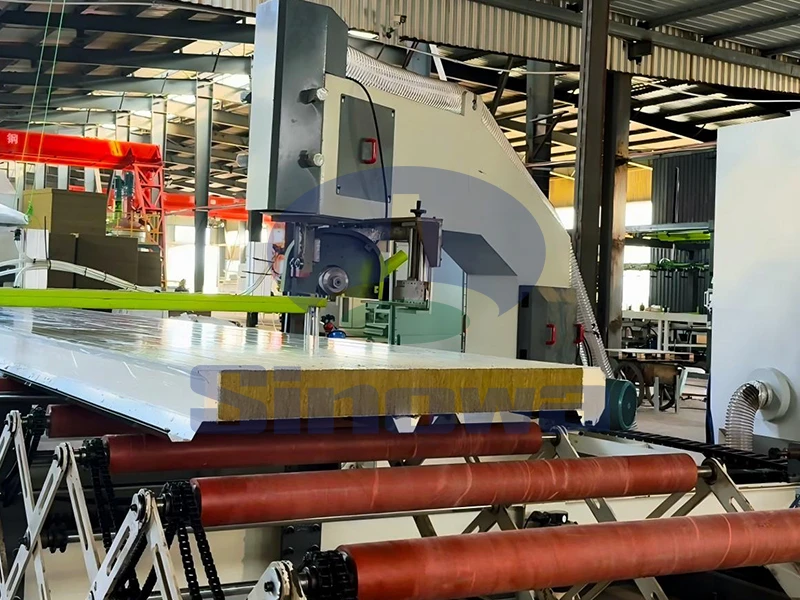
The overall operation of the mineral wool sandwich panel production line relies on a modular and synchronous mechanical structure, which connects multiple independent functional units through a stable conveying system to realize continuous and streamlined production. Each functional module is equipped with precise mechanical execution components and intelligent linkage control programs, enabling seamless docking between different production stages without frequent manual intervention. This integrated design effectively avoids production discontinuity caused by manual material handling and equipment switching, greatly improving the overall production efficiency and processing consistency. Every mechanical component in the line is optimized for long-term continuous operation, reducing operational fluctuations and ensuring that each batch of finished panels maintains stable basic performance and structural uniformity throughout the manufacturing process.
Raw material pretreatment is the primary core link of the entire production process, covering the processing of both surface metal sheets and mineral wool core materials. For surface sheets, the production line is equipped with professional preprocessing devices to remove surface dust, oil stains and oxide layers, creating a clean and flat bonding base for subsequent gluing and composite processing. Meanwhile, the mineral wool core materials undergo fiber dispersion and impurity removal treatment through special opening and carding equipment. Clustered mineral wool fibers are fully scattered to eliminate internal agglomerations and impurities, which optimizes the internal fiber structure of the core material. This dual pretreatment process lays a solid foundation for the later bonding stability and functional performance of the finished sandwich panels.
Surface material roll forming is a key procedure that shapes the external structure of sandwich panels. The production line adopts precision roll forming systems with adjustable processing parameters to adapt to different panel width and thickness requirements. Multiple groups of orderly arranged rolling rollers gradually bend and shape the flat metal sheets through graded pressure application, avoiding sudden deformation or surface damage caused by one-time extrusion. The whole forming process is completed automatically with real-time parameter calibration to ensure the flatness, straightness and edge regularity of the formed sheets. Uniform structural shaping of surface materials not only improves the appearance quality of finished products but also ensures the overall structural rigidity and dimensional uniformity of composite panels after subsequent lamination processing.
Mineral wool core material feeding and paving determines the internal structural uniformity of sandwich panels. The production line is equipped with an automatic quantitative feeding mechanism to stably and continuously transport processed mineral wool fibers or wool boards to the composite station. The internal paving system adopts layered uniform laying technology to distribute mineral wool fibers evenly in the preset thickness range, effectively avoiding local hollowing, thickness deviation or fiber accumulation. The intelligent sensing device monitors the paving density and thickness in real time during operation, automatically adjusting the feeding speed and paving range to maintain consistent core material structure. A uniform mineral wool core layer can fully exert its inherent thermal insulation, fire resistance and sound absorption functions, ensuring stable and reliable product performance.
Adhesive coating is a critical process affecting the bonding strength and service life of sandwich panels. The production line uses high-performance environment-friendly polymer adhesives with excellent curing speed, bonding force and aging resistance, which are compatible with metal sheets and mineral wool materials without causing corrosion or performance degradation. The precision glue coating system adopts atomized nozzle coating technology to achieve full and uniform coverage on the bonding surface without excess glue accumulation or missing coating. The coating thickness and glue application amount are precisely controlled by intelligent programs according to production specifications, which not only saves adhesive materials and reduces production costs but also ensures tight integration between the surface layer and core layer. Reasonable adhesive application effectively prevents delamination and cracking of panels during long-term use.
Composite lamination and pre-shaping is the core stage of forming sandwich panel structures. After glue coating, the surface sheets and mineral wool core layer are accurately aligned and sent to the constant-pressure lamination area. The production line maintains stable and balanced mechanical pressure in the lamination zone, enabling the adhesive to fully infiltrate the fiber gaps of mineral wool and fit closely with metal surfaces. Meanwhile, the auxiliary preheating system properly adjusts the ambient temperature of the lamination area to activate the adhesive activity and accelerate the preliminary bonding reaction. The synchronous coordination of pressure and temperature ensures that the composite structure is tightly integrated without internal gaps or displacement. This process preliminarily fixes the overall structure of the sandwich panel and lays the foundation for subsequent curing and final shaping.
Heating and curing treatment is essential to stabilize the structural performance of finished panels. The production line is equipped with a circulating hot air curing system that provides uniform and constant temperature conditions for the initially composited panels. Through staged temperature control, the adhesive completes full cross-linking and curing reaction in a stable thermal environment, forming a high-strength and tough bonding layer. The circulating hot air design ensures no local overheating or insufficient curing, avoiding structural defects such as partial bonding failure and material deformation. The whole curing process operates continuously with coordinated conveying speed and curing time, adapting to high-efficiency continuous production. Fully cured panels possess excellent structural stability, peeling resistance and weather resistance, adapting to complex application environments.
Precision cutting and edge trimming processes ensure the dimensional accuracy and appearance quality of finished products. After curing and shaping, the continuous long-strip composite panels are transported to the cutting workstation. The line is equipped with independent longitudinal slitting and transverse fixed-length cutting mechanisms to complete edge trimming and fixed-size segmentation respectively. The longitudinal device removes redundant edge materials on both sides of the panel to ensure consistent overall width, while the transverse cutting system realizes accurate fixed-length cutting according to production settings. All cutting movements are controlled by high-precision programs to ensure smooth and burr-free cutting surfaces and accurate dimensional tolerance. Fine trimming and cutting processing make the finished panels meet the assembly requirements of various building structures.
Finished product inspection and automatic stacking are the final links of the entire production flow. After cutting and trimming, the equipment automatically detects the flatness, dimensional accuracy and surface integrity of each panel, screening out products with appearance defects or structural deviations. Qualified finished panels are automatically transported to the stacking area through the conveying system, and the intelligent stacking mechanism carries out orderly layered stacking according to fixed specifications. This automatic integrated processing mode replaces manual stacking, effectively avoiding surface scratches and structural damage caused by manual operation. Standardized stacking also facilitates subsequent packaging, transportation and warehouse management, improving the overall standardization of production and delivery.
The intelligent control and linkage system supports the stable and efficient operation of the entire production line. The whole production process is uniformly scheduled and regulated by the central control system, realizing synchronous operation of feeding, forming, gluing, lamination, curing, cutting and stacking links. The system can automatically adjust operating parameters such as conveying speed, processing temperature and mechanical pressure according to different production demands, realizing flexible production of panels with different specifications. Real-time data monitoring and fault early warning functions are integrated in the control system, which can timely identify abnormal operating conditions of equipment and reduce production failures. The intelligent linkage design simplifies production operation, reduces manual operation errors, and improves the overall automation level and production stability of the line.
Gallery of Mineral Wool Sandwich Panel Production Line
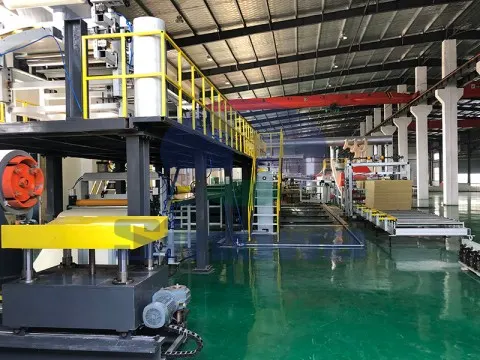
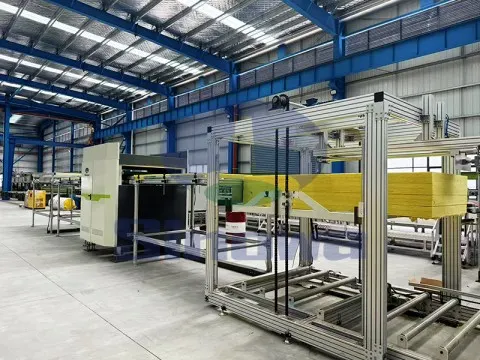
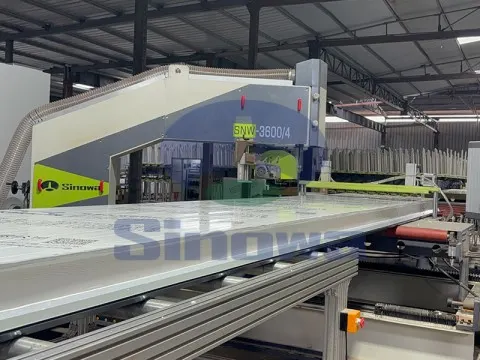
Tags: mineral wool sandwich panel production line, mineral wool sandwich panel production line manufacturer, mineral wool sandwich panel production line supplier, china mineral wool sandwich panel production line, mineral wool sandwich panel production line for sale
https://www.sandwichpanelmachinery.com/tags/mineral-wool-sandwich-panel-production-line.html
-
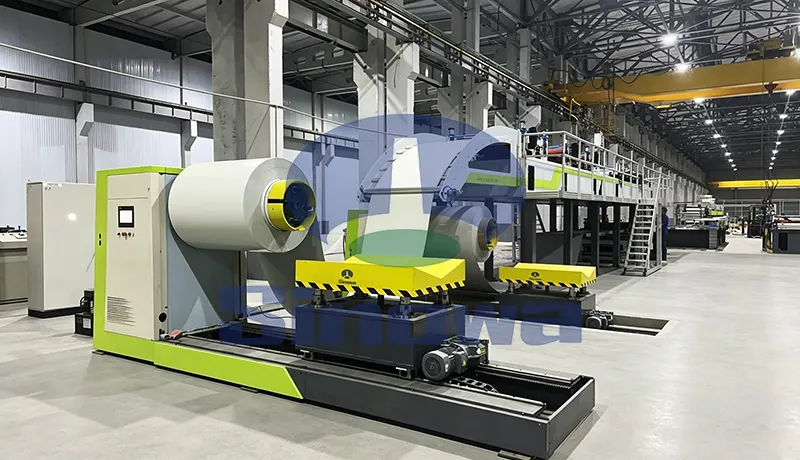
The PU sandwich panel line is a core production setup for making high-performance building insulation panels. This professional PU sandwich panel production line features automated operation to streamline the whole manufacturing process efficiently. Every component of the polyurethane sandwich panel line is precisely calibrated to ensure consistent panel thickness and structural stability. A well-maintained polyurethane sandwich panel production line can greatly boost production efficiency while reducing manual operation errors. The continuous PU sandwich panel line adapts to diverse production demands for different panel sizes and surface styles. With advanced molding technology, the PIR sandwich panel line produces panels with excellent heat preservation and sound insulation properties. Stable running of the PIR sandwich panel production line guarantees reliable product quality for various construction and industrial application scenarios.
-
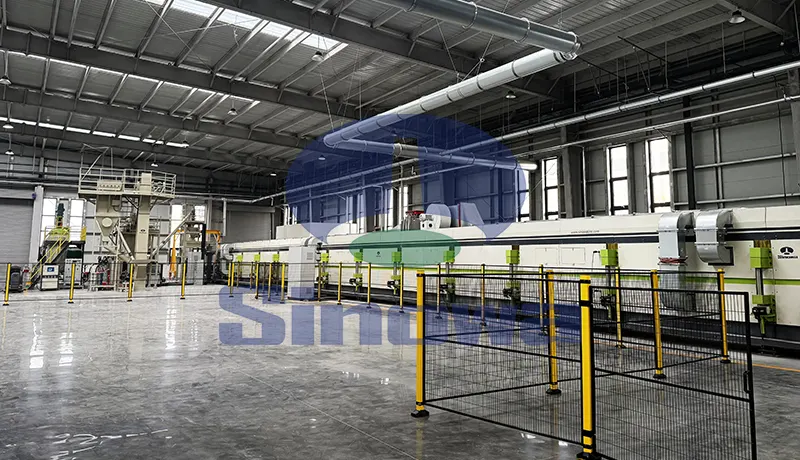
A phenolic insulation board production line serves as the core equipment for manufacturing high-performance thermal insulation building materials. This phenolic insulation panel production line integrates material mixing, foaming, molding and cutting processes to ensure continuous and stable production efficiency. Every operational link of the insulation board production line is precisely calibrated to produce uniform and durable insulation boards. The automated design of the insulation panel production line effectively reduces manual intervention and improves product consistency. Proper maintenance of the phenolic board production line can greatly extend its service life and maintain steady production output. With optimized structural design, the phenolic panel production line adapts to various production demands and delivers high-quality finished products for thermal insulation engineering applications.
-
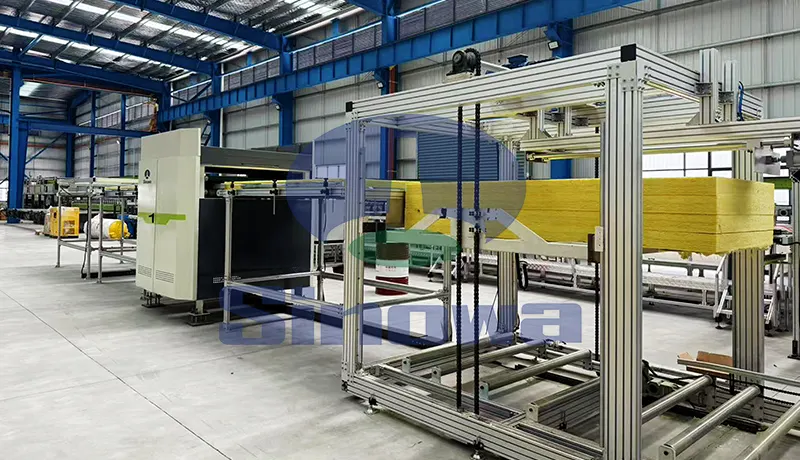
A professional rockwool sandwich panel line serves as the core equipment for producing high-performance building panels. This rockwool sandwich panel production line integrates feeding, laminating and forming processes to ensure stable and efficient production. The well-structured rock wool sandwich panel line can process raw rockwool materials into panels with excellent thermal and sound insulation properties. Operators can adjust the running parameters of the rock wool sandwich panel production line to manufacture panels of different thicknesses and specifications. The automated design of the mineral wool sandwich panel production line greatly reduces manual operation errors and improves product consistency. Regular maintenance of the mineral wool sandwich panel line is essential to sustain long-term operational efficiency and guarantee qualified finished panels for diverse construction applications.