Why Does The Phenolic Insulation Board Production Line Shut Down Unexpectedly During Operation?
Publication Date: Sep 27, 2026
Unexpected shutdowns of phenolic insulation board production lines frequently disrupt continuous manufacturing progress. These unplanned halts stem from mechanical, electrical, material, operational and systemic faults, which this article elaborates comprehensively.
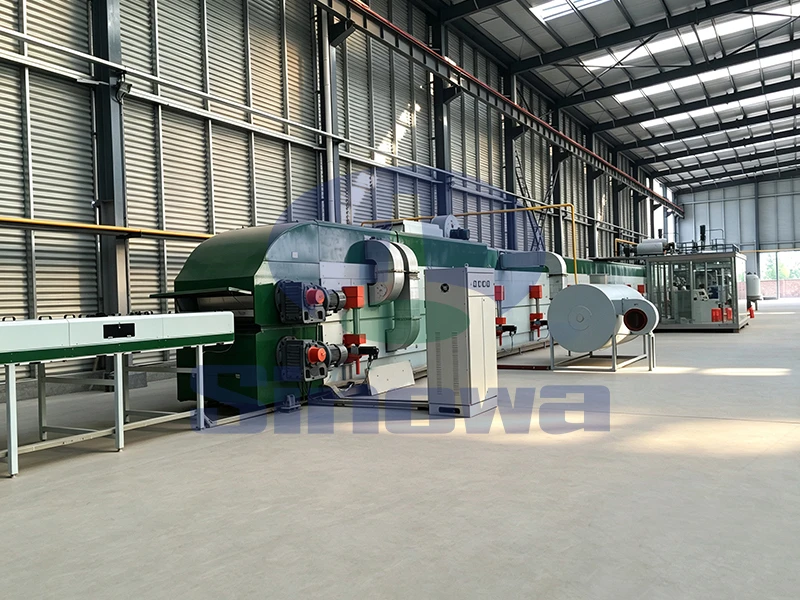
Mechanical component wear and failure is one of the most prevalent triggers for unexpected shutdowns of phenolic insulation board production lines. The line operates continuously with high-frequency mechanical movement, including conveyor belts, transmission bearings, pressing rollers and cutting components. After long-term cyclic operation, these core parts gradually suffer from aging, abrasion and structural fatigue. Minor wear that is not detected in daily inspections will gradually evolve into abnormal operation, such as stuck rollers, loose transmission parts or noisy mechanical friction. Once the operational deviation exceeds the equipment’s adaptive range, the built-in protection system will automatically cut off operation to avoid secondary damage. Many sudden shutdowns are caused by neglected tiny mechanical abnormalities, as irregular maintenance and lack of real-time wear monitoring accelerate component failure and force the line to stop abruptly during normal production.
Electrical system faults are another key factor leading to unplanned production line shutdowns. The entire phenolic insulation board production process relies on stable power supply and precise electrical control systems to maintain parameter stability and equipment coordination. Fluctuations in input voltage, unstable circuit load or poor power contact can easily trigger power supply protection mechanisms. In addition, internal electrical components such as contactors, inverters and control circuits may experience aging, short circuits or line loosening after long-term operation. Dust accumulation and humid production environments also interfere with electrical signal transmission, causing signal delay or misjudgment of the control system. When the electrical system cannot output accurate operating instructions or detects abnormal current and voltage values, it will immediately activate the emergency shutdown program, resulting in sudden production suspension without early warning.
Sensor abnormality and signal deviation often cause sudden shutdowns of the production line, which is easily overlooked in daily fault checking. Modern phenolic insulation board production lines are equipped with various precision sensors to monitor temperature, pressure, feeding speed and product thickness in real time. These sensors transmit real-time operational data to the central control system to ensure standardized production. Long-term exposure to dust, chemical raw material volatiles and mechanical vibration will lead to sensor sensitivity decline, data drift or signal interruption. A single faulty sensor may feed wrong abnormal data to the control system, which misjudges normal production conditions as dangerous anomalies. To guarantee production safety and product quality, the intelligent control system will force the production line to shut down instantly, even if the actual mechanical and operational status of the equipment is normal.
Raw material quality anomalies and feeding system blockages are common operational faults that trigger unplanned shutdowns. Phenolic insulation board production requires stable and qualified raw material inputs, and uneven material viscosity, excessive impurity content or inconsistent material fluidity will affect the continuous feeding process. When unqualified raw materials enter the feeding pipeline and molding equipment, they are prone to cause pipeline blockage, material accumulation and uneven spreading. The automatic feeding system will detect abnormal material conveying speed and material accumulation pressure. Once the system identifies blocked feeding or abnormal material supply, it will stop the follow-up production links to prevent equipment jamming and material waste. Irregular raw material pretreatment and mixed material proportion deviation are the main culprits of such feeding failures, leading to frequent sudden shutdowns in actual production.
Equipment overheating and heat dissipation system failure frequently induce unexpected production line shutdowns during high-load operation. The continuous operation of molding, pressing and curing equipment in phenolic insulation board production will generate a large amount of heat. The supporting heat dissipation system undertakes the task of balancing equipment temperature to maintain stable operation. Long-term operation may cause blockage of heat dissipation pipelines, failure of heat dissipation fans or insufficient cooling medium. When the heat generated by equipment operation cannot be dissipated in time, the local temperature of key components will rise rapidly. The equipment’s temperature protection module will trigger an automatic shutdown mechanism to prevent high-temperature burnout of precision parts and avoid potential safety hazards. Most overheating shutdowns occur during peak production periods with continuous high-load operation, due to long-term neglected maintenance of heat dissipation facilities.
Improper manual operation and non-standard parameter setting are important human factors causing sudden production halts. The automated production line still requires manual intervention in parameter adjustment, material replacement and equipment startup and shutdown. Improper operation behaviors such as random modification of curing temperature, production speed and pressure parameters by operators, or incomplete startup inspection before production will disrupt the stable operational state of the line. In addition, operational errors in material switching, equipment reset and fault clearing will cause system program confusion. The intelligent control system will judge irregular parameter changes and wrong operation instructions as abnormal risks and start the self-protection shutdown procedure. Unskilled operation and weak safety awareness of front-line staff greatly increase the probability of unplanned shutdowns in daily production.
Lubrication system failure accelerates equipment failure and triggers unexpected production line shutdowns. Mechanical moving parts of the production line need continuous and stable lubrication to reduce friction and wear. Insufficient lubricating oil, deteriorated oil quality or blocked lubrication pipelines will lead to poor lubrication effect. Long-term dry friction of bearings, gears and transmission components will generate abnormal resistance and high temperature, resulting in stuck operation and mechanical jitter. The equipment’s vibration and current monitoring system will capture these abnormal operating signals and implement emergency shutdowns in a timely manner. Many production teams only carry out regular oil supplementation but ignore the inspection of lubrication pipeline patency and oil quality deterioration, making lubrication failure a hidden persistent hazard for sudden shutdowns.
Automatic control system program errors and system jitters are invisible causes of unplanned shutdowns. The entire production process of phenolic insulation boards is controlled by integrated automation programs, which coordinate the linkage of feeding, molding, curing, cutting and finished product output. Long-term system operation, repeated program switching and occasional external electromagnetic interference may cause program data confusion, system jitter or program crash. When the control system fails to issue continuous and accurate linkage instructions, each production unit will operate out of sync, resulting in process chaos. The system’s built-in fault self-checking program will automatically shut down the entire line to avoid mismatched process links and massive unqualified products. Such program failures often occur randomly and are difficult to predict in daily production management.
Safety protection mechanism activation caused by on-site environmental abnormalities leads to sudden production shutdowns. The production site of phenolic insulation boards involves chemical raw material use and mechanical high-speed operation, equipped with perfect safety protection devices. Abnormal on-site conditions such as excessive dust concentration, local air circulation failure or accidental contact with safety barriers will trigger the safety alarm system. Once the safety monitoring system detects potential safety risks that do not meet production conditions, it will immediately lock the equipment operation and force a shutdown. In addition, temporary foreign matter entering the equipment operating area and abnormal personnel entry will also activate the emergency protection mechanism. These safety-triggered shutdowns are passive protective measures but are important causes of unplanned production suspension.
Incomplete daily maintenance and irregular equipment inspection accumulate potential faults and induce frequent unexpected shutdowns. Daily maintenance including dust cleaning, component inspection, parameter calibration and fault recording is the key to maintaining stable line operation. Long-term perfunctory maintenance work will lead to the accumulation of minor equipment faults, hidden sensor failures and blocked heat dissipation and lubrication systems. These potential problems will not affect short-term production but will break out suddenly during continuous high-load operation. Regular comprehensive equipment calibration and targeted maintenance can eliminate most hidden dangers. The lack of standardized maintenance mechanisms and fault tracking systems makes small problems evolve into sudden shutdown faults, seriously affecting production continuity and efficiency.
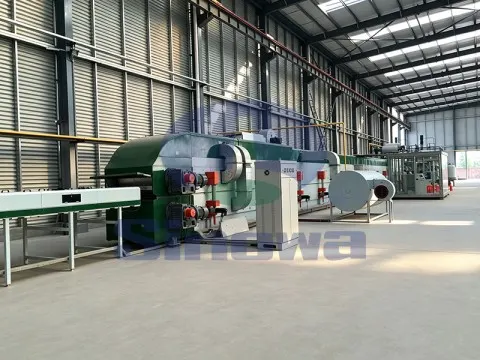
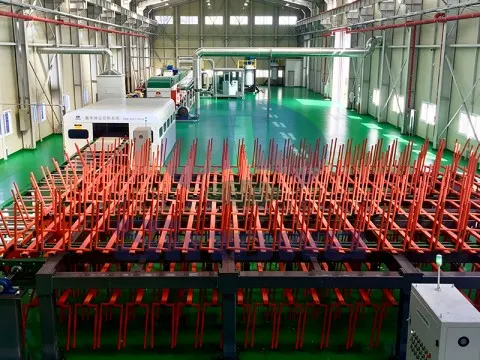
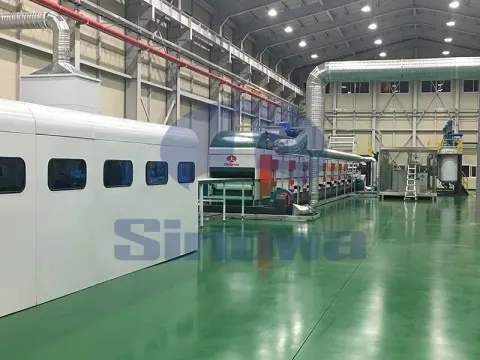
Gallery of Phenolic Insulation Board Production Line
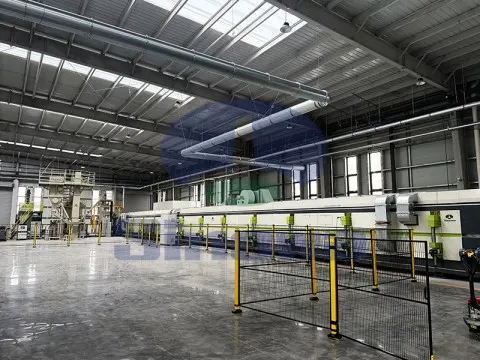
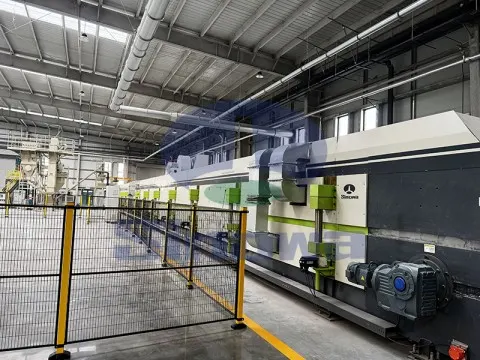
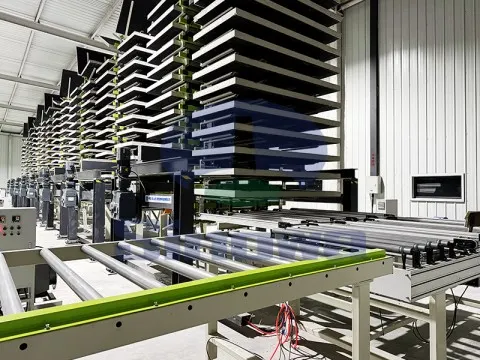
Tags: phenolic insulation board production line, phenolic insulation board production line manufacturer, phenolic insulation board production line supplier, china phenolic insulation board production line, phenolic insulation board production line for sale
-
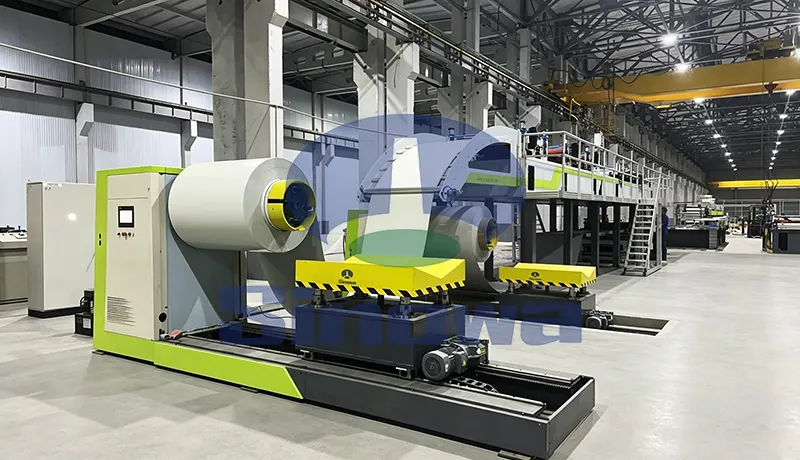
The PU sandwich panel line is a core production setup for making high-performance building insulation panels. This professional PU sandwich panel production line features automated operation to streamline the whole manufacturing process efficiently. Every component of the polyurethane sandwich panel line is precisely calibrated to ensure consistent panel thickness and structural stability. A well-maintained polyurethane sandwich panel production line can greatly boost production efficiency while reducing manual operation errors. The continuous PU sandwich panel line adapts to diverse production demands for different panel sizes and surface styles. With advanced molding technology, the PIR sandwich panel line produces panels with excellent heat preservation and sound insulation properties. Stable running of the PIR sandwich panel production line guarantees reliable product quality for various construction and industrial application scenarios.
-
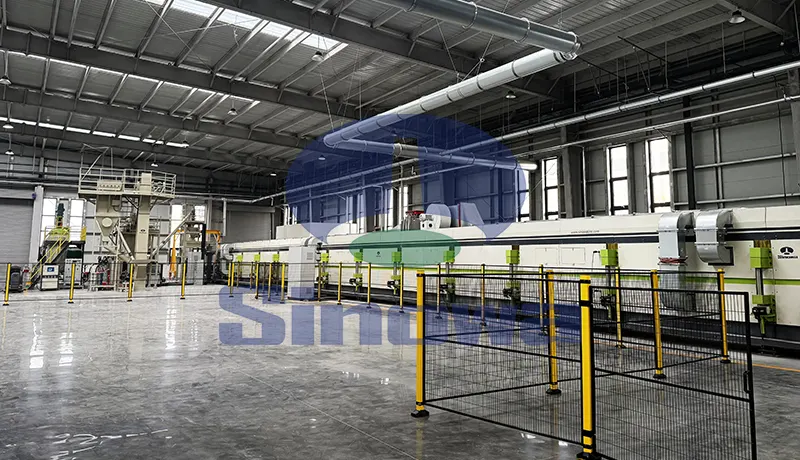
A phenolic insulation board production line serves as the core equipment for manufacturing high-performance thermal insulation building materials. This phenolic insulation panel production line integrates material mixing, foaming, molding and cutting processes to ensure continuous and stable production efficiency. Every operational link of the insulation board production line is precisely calibrated to produce uniform and durable insulation boards. The automated design of the insulation panel production line effectively reduces manual intervention and improves product consistency. Proper maintenance of the phenolic board production line can greatly extend its service life and maintain steady production output. With optimized structural design, the phenolic panel production line adapts to various production demands and delivers high-quality finished products for thermal insulation engineering applications.
-
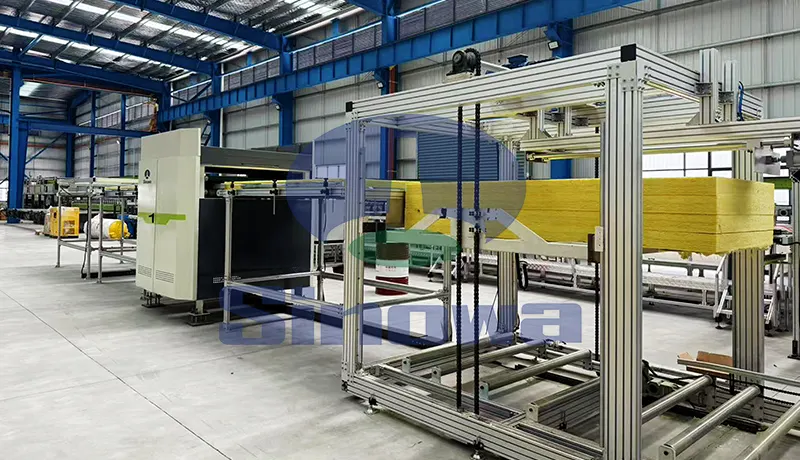
A professional rockwool sandwich panel line serves as the core equipment for producing high-performance building panels. This rockwool sandwich panel production line integrates feeding, laminating and forming processes to ensure stable and efficient production. The well-structured rock wool sandwich panel line can process raw rockwool materials into panels with excellent thermal and sound insulation properties. Operators can adjust the running parameters of the rock wool sandwich panel production line to manufacture panels of different thicknesses and specifications. The automated design of the mineral wool sandwich panel production line greatly reduces manual operation errors and improves product consistency. Regular maintenance of the mineral wool sandwich panel line is essential to sustain long-term operational efficiency and guarantee qualified finished panels for diverse construction applications.