Why Does The Phenolic Panel Manufacturing Line Produce Brittle Finished Boards?
Publication Date: Sep 27, 2026
Brittle phenolic panels are a common production defect stemming from flawed material processing, improper equipment operation, and unstable production environments.
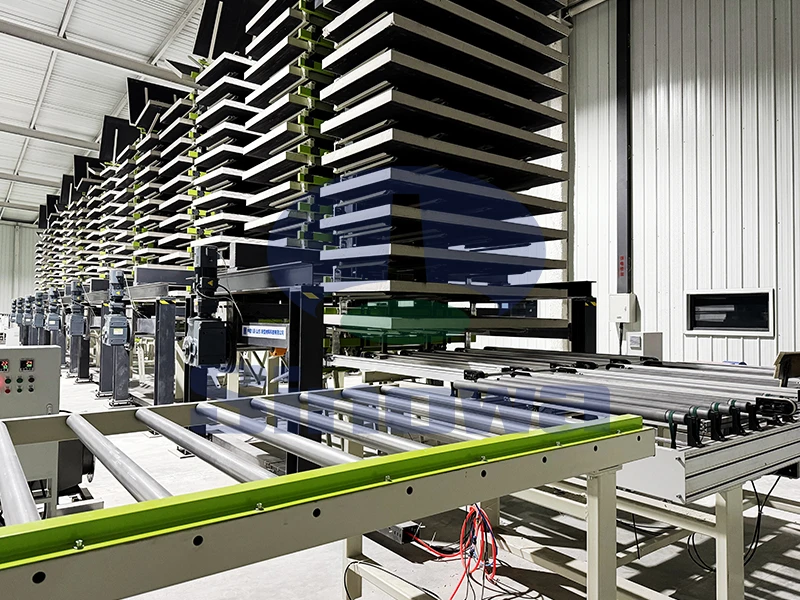
Unreasonable resin curing conditions are one of the most fundamental causes of brittle phenolic finished boards. Phenolic panels rely on the cross-linking reaction between phenolic resin and curing agents to form a stable and tough internal molecular structure. If the production line fails to maintain accurate curing temperatures during processing, the molecular cross-linking reaction cannot be fully completed. Low curing temperatures leave a large number of uncross-linked resin molecules inside the board, resulting in an incomplete internal structural network that lacks sufficient toughness and rigidity. Even if the board appears intact on the surface, it is prone to cracking and chipping under slight external force. Conversely, excessively high curing temperatures will cause local over-curing of the resin, making the molecular structure overly dense and rigid with no elastic buffer space. Such over-cured panels lose ductility and become extremely brittle, with fractured surfaces showing typical brittle fracture characteristics. Meanwhile, insufficient curing time also leads to incomplete chemical reactions, leaving residual active substances inside the board that gradually destroy structural stability and induce brittleness over time.
Uneven temperature and pressure control during lamination molding greatly contributes to the brittleness of phenolic panels. The lamination process requires uniform and stable pressure and temperature to ensure consistent resin infiltration and bonding across all substrate layers. In actual line production, inconsistent pressure distribution from molding equipment leads to uneven resin compaction in different board areas. Some sections have overly compacted resin layers with hardened and fragile structures, while others have loose bonding with weak interlayer adhesion. This uneven internal structure makes the whole board prone to brittle failure under stress. In addition, irregular temperature fluctuations during molding create severe internal temperature gradients inside the panel. The inconsistent thermal expansion and contraction of different layers generates residual internal stress that cannot be released in time. After the board is demolded and cooled, the residual stress remains trapped inside, constantly eroding the structural stability. During subsequent handling, cutting or use, the accumulated stress will trigger sudden cracking, manifesting as obvious brittleness of the finished product.
Excessive moisture content in raw materials is a critical factor inducing phenolic panel brittleness. The substrates and phenolic resin used in panel production are highly sensitive to moisture. If raw materials are not fully dried before production or absorb moisture during storage and feeding, residual moisture will remain inside the raw materials. During high-temperature molding, the moisture rapidly vaporizes to form tiny air voids and micro-cracks inside the panel. These microscopic defects destroy the continuity of the resin matrix and substrate structure, forming weak structural points throughout the board. A large number of internal voids reduce the overall compactness and toughness of the phenolic panel, making it easy to break from defect points when subjected to external impact or bending force. Moreover, residual moisture will hinder the normal cross-linking reaction of phenolic resin, further reducing the degree of structural curing. Long-term moisture retention inside the board will also cause gradual aging and deterioration of the resin structure, aggravating brittleness and shortening the service life of the finished panel.
Improper resin formula ratio directly weakens the toughness of phenolic panels and causes brittleness defects. The performance of phenolic panels depends on the precise proportion of resin, curing agents, modifiers and auxiliary materials. A disproportionate ratio will disrupt the balance of chemical reactions and structural formation. Excess curing agents will accelerate the resin cross-linking speed excessively, leading to rapid and rigid structural formation without sufficient molecular ductility, resulting in hard and brittle finished boards. Insufficient curing agents fail to support complete cross-linking, leaving loose and unstable internal structures that are fragile and easily damaged. In addition, inadequate addition of toughness modifiers or improper selection of auxiliary materials cannot effectively improve the molecular flexibility of the cured resin. Pure highly cross-linked phenolic structures lack elastic buffer performance, making the panels unable to bear slight deformation and impact, thus showing obvious brittleness. Long-term formula parameter deviations in continuous line production will lead to batch-wise brittle defects of finished products.
Unreasonable cooling processes after molding exacerbate the brittleness of phenolic finished panels. Many insulation panel production lines adopt rapid cooling methods to improve production efficiency, which brings hidden dangers to product performance. High-temperature molded phenolic panels have a stable high-temperature molecular state, and sudden cooling causes rapid and inconsistent shrinkage of the internal and surface structures. The surface layer cools and shrinks quickly to form a hard shell, while the internal structure shrinks slowly, generating huge tensile and compressive stress differences inside the board. This uneven shrinkage stress forms invisible micro-cracks inside the panel, which are the main inducement of brittle fracture. In addition, uneven cooling speed in different parts of the production equipment leads to inconsistent structural shrinkage of the panel surface and edges. Edge parts are more prone to stress concentration and micro-crack generation, making the panel edges particularly brittle and easy to collapse during processing and use. Slow and balanced cooling is essential to release internal stress and maintain structural toughness, while irregular cooling procedures completely destroy this balance.
Aging and deterioration of phenolic panel production line equipment affects panel processing quality and induces brittleness. Long-term operation of molding presses, gluing devices and heating systems will lead to equipment performance degradation. Aging heating components cause uneven heat output, resulting in local under-curing or over-curing of panels during processing. Worn pressure accessories lead to unstable pressure output, failing to achieve uniform compaction of board layers and forming loose internal structures with weak toughness. In addition, blocked or uneven gluing equipment causes inconsistent resin coating thickness on the substrate surface. Areas with insufficient resin coating have poor interlayer bonding and low structural strength, while overly thick resin layers are prone to excessive curing and hardening. These equipment-induced processing defects make the overall structural uniformity of phenolic panels decrease significantly, leading to unbalanced mechanical properties and prominent brittleness problems in finished products.
Poor workshop production environment further aggravates the brittleness of phenolic panels. Low ambient temperature in the production workshop reduces the molecular chain mobility of phenolic resin, weakening the flexibility and ductility of the cured structure. Panels produced in low-temperature environments have rigid molecular structures and poor impact resistance, showing obvious brittle characteristics. Excessively humid workshop air causes secondary moisture absorption of semi-finished panels during production and transportation, bringing new moisture defects to the boards. Meanwhile, dusty workshop environments allow fine impurities to mix into resin and substrate layers during processing. These impurities destroy the bonding interface between resin and substrate, forming isolated weak areas inside the panel. These weak points cannot disperse external force effectively, so cracks spread rapidly once stressed, leading to brittle fracture of the whole board. Unstable environmental temperature and humidity throughout the production process continuously undermine the toughness of phenolic panels.
Inadequate post-production stress relief treatment leads to residual stress-induced panel brittleness. Phenolic panels inevitably generate complex internal stress during high-temperature pressing, lamination and cooling processes. Standard production procedures require targeted stress relief treatment to eliminate internal structural tension. However, many production lines omit or shorten the stress relief process to speed up production. Residual internal stress cannot be released naturally and remains trapped in the panel structure for a long time. During subsequent cutting, drilling and installation processing, external force triggers the release of accumulated residual stress, causing sudden cracking and chipping of the panel. Even without external processing, long-term residual stress will slowly destroy the molecular bonding structure inside the board, making the panel gradually lose toughness and become brittle. Panels without effective stress relief treatment have unstable mechanical properties and are highly susceptible to brittle failure in daily use.
Improper raw material pretreatment affects the structural toughness of phenolic panels and causes brittleness. Substrate materials such as fiber cloth and paper need strict pretreatment including drying, cleaning and tension adjustment before use. Incomplete pretreatment leaves impurities, dust and residual moisture on the substrate surface, which hinder the uniform infiltration and bonding of phenolic resin. The uneven combination of resin and substrate forms discontinuous internal structures with numerous tiny defects. In addition, uneven tension control of the substrate during feeding leads to irregular internal fiber arrangement of the panel. Disordered fiber structures cannot effectively bear and disperse external force, reducing the overall tensile and impact resistance of the board. At the same time, inconsistent pretreatment standards for different batches of raw materials lead to unstable curing effects and structural performance of finished panels, making brittleness defects occur frequently in mass production.
Excessive processing and excessive external force in subsequent production processes trigger phenolic panel brittleness failure. After molding, phenolic panels need secondary processing such as cutting, trimming and surface finishing. Improper processing parameters and operation methods will cause irreversible damage to the panel structure. Excessively fast cutting speed and sharp tool extrusion produce strong local instantaneous pressure and thermal shock on the panel surface. Thermal shock causes rapid local expansion and contraction of the resin matrix, generating new micro-cracks inside the board. Improper tool shapes and uneven feeding force lead to local stress concentration on the panel edges and surfaces. These concentrated stress points become crack sources, which expand rapidly under slight force and cause brittle fracture. In addition, excessive bending and extrusion during handling and stacking will produce invisible internal damage to the panel, gradually reducing structural toughness and making the finished board prone to brittle damage in later use.
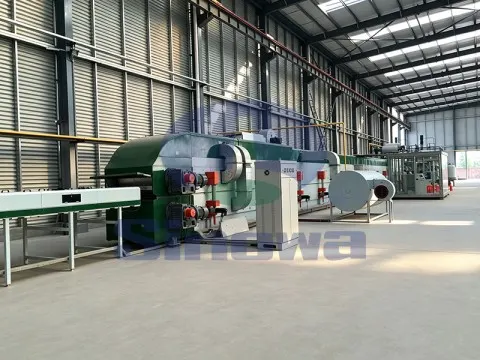
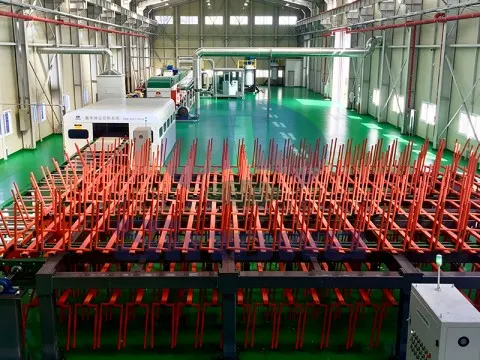
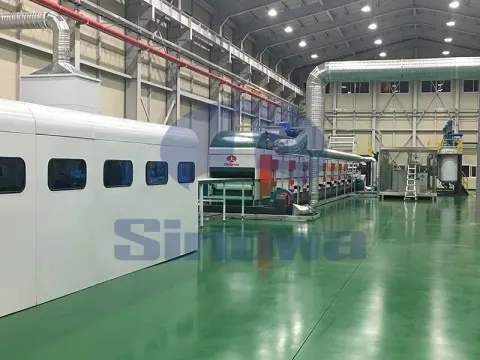
Gallery of Phenolic Panel Manufacturing Line
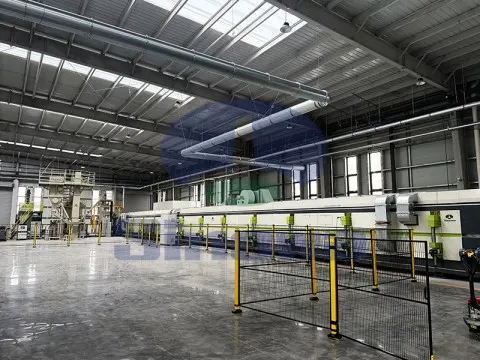
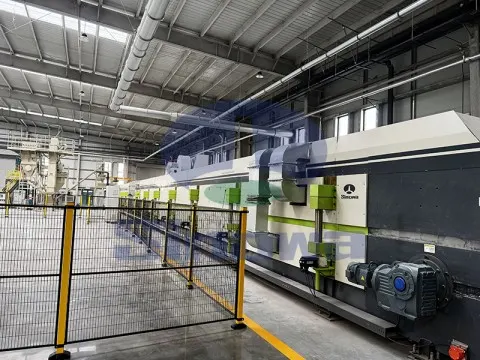
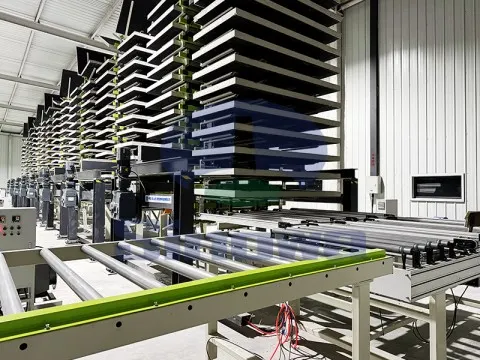
Tags: phenolic panel manufacturing line, phenolic panel manufacturing line manufacturer, phenolic panel manufacturing line supplier, china phenolic panel manufacturing line, phenolic panel manufacturing line for sale
-
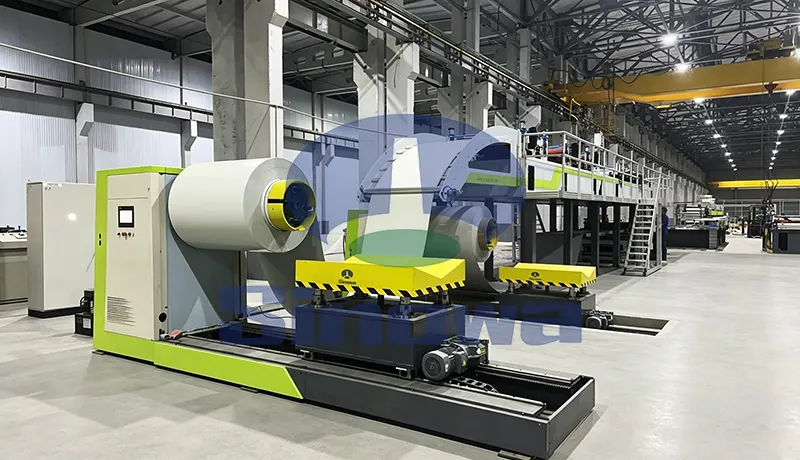
The PU sandwich panel line is a core production setup for making high-performance building insulation panels. This professional PU sandwich panel production line features automated operation to streamline the whole manufacturing process efficiently. Every component of the polyurethane sandwich panel line is precisely calibrated to ensure consistent panel thickness and structural stability. A well-maintained polyurethane sandwich panel production line can greatly boost production efficiency while reducing manual operation errors. The continuous PU sandwich panel line adapts to diverse production demands for different panel sizes and surface styles. With advanced molding technology, the PIR sandwich panel line produces panels with excellent heat preservation and sound insulation properties. Stable running of the PIR sandwich panel production line guarantees reliable product quality for various construction and industrial application scenarios.
-
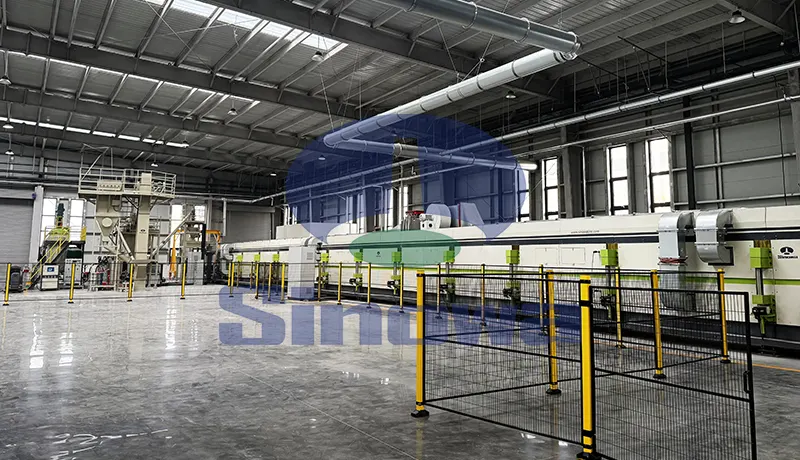
A phenolic insulation board production line serves as the core equipment for manufacturing high-performance thermal insulation building materials. This phenolic insulation panel production line integrates material mixing, foaming, molding and cutting processes to ensure continuous and stable production efficiency. Every operational link of the insulation board production line is precisely calibrated to produce uniform and durable insulation boards. The automated design of the insulation panel production line effectively reduces manual intervention and improves product consistency. Proper maintenance of the phenolic board production line can greatly extend its service life and maintain steady production output. With optimized structural design, the phenolic panel production line adapts to various production demands and delivers high-quality finished products for thermal insulation engineering applications.
-
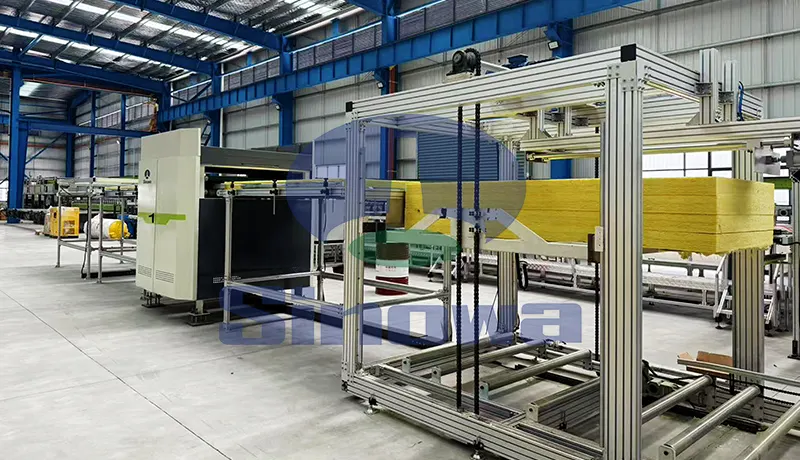
A professional rockwool sandwich panel line serves as the core equipment for producing high-performance building panels. This rockwool sandwich panel production line integrates feeding, laminating and forming processes to ensure stable and efficient production. The well-structured rock wool sandwich panel line can process raw rockwool materials into panels with excellent thermal and sound insulation properties. Operators can adjust the running parameters of the rock wool sandwich panel production line to manufacture panels of different thicknesses and specifications. The automated design of the mineral wool sandwich panel production line greatly reduces manual operation errors and improves product consistency. Regular maintenance of the mineral wool sandwich panel line is essential to sustain long-term operational efficiency and guarantee qualified finished panels for diverse construction applications.