How To Fix Poor Surface Adhesion Of Phenolic Boards From Production Line?
Publication Date: Sep 27, 2026
Poor surface adhesion of phenolic boards in production lines commonly causes peeling, delamination and surface defects, undermining product usability and yield.
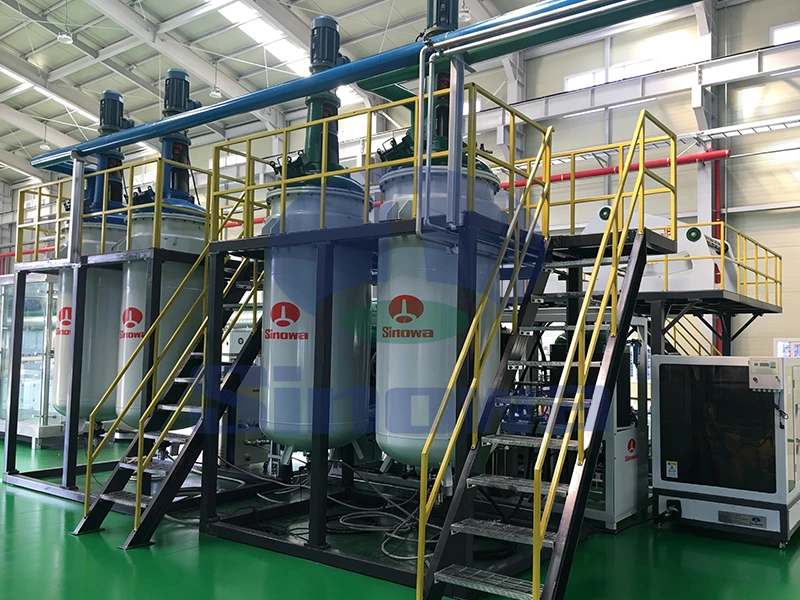
Surface contamination is one of the most prevalent causes of weak adhesion in mass-produced phenolic boards. During continuous insulation panel line production, board surfaces easily accumulate tiny dust particles, oil residues, mold release agent remnants and floating impurities from the workshop environment. These invisible contaminants form a thin isolation layer between the phenolic substrate and surface coatings or bonded layers, blocking effective molecular combination and leading to insufficient adhesion force. Many production lines overlook fine cleaning procedures, relying only on simple air blowing which fails to remove stubborn oil and chemical residues thoroughly. To address this problem, standardized multi-stage surface cleaning processes must be implemented. Workers should first remove loose dust with clean compressed air, then use alcohol-based compatible cleaning agents to wipe the board surface, followed by full air drying before subsequent processing. Regular cleaning and maintenance of production conveyor equipment and workshop dust purification systems also help reduce secondary surface contamination during production operation.
Unreasonable substrate surface roughness is another critical factor leading to poor phenolic board adhesion. Excessively smooth and glossy board surfaces lack effective mechanical anchor points for coatings and bonding materials, making it difficult to form stable interlocking structures. In contrast, overly rough surfaces will retain residual dust and cleaning liquid, forming hidden defects that weaken adhesion consistency. In continuous production, fixed mold pressing and surface finishing parameters often lead to single and unoptimized surface flatness and roughness. Manufacturers can adjust surface treatment processes to create a moderately rough substrate surface suitable for phenolic material bonding. Progressive abrasive treatment with medium-grit abrasive materials can uniformly polish the board surface without causing excessive material loss or surface damage. This subtle surface modification greatly enhances the mechanical bonding force between the substrate and surface functional layers, laying a solid foundation for stable adhesion performance in finished products.
Improper moisture control of phenolic board substrates severely impairs surface adhesion effects in line production. Phenolic composite materials are prone to absorbing trace moisture during storage and transmission in the production workshop. Excess internal and surface moisture will vaporize during high-temperature pressing and coating processes, forming tiny bubbles and gaps at the bonding interface. These microscopic gaps destroy the tight combination of materials, resulting in local peeling and poor overall adhesion. Many production lines fail to monitor substrate moisture status in real time, leading to inconsistent raw material conditions. It is essential to configure real-time moisture detection links before formal processing, screening out boards with unqualified moisture content. Meanwhile, constant-temperature drying pretreatment should be adopted for damp substrates to remove internal residual moisture evenly. Controlling workshop humidity and isolating semi-finished products from humid air during production transfer can effectively avoid secondary moisture absorption and ensure stable substrate conditions for adhesion processing.
Unsuitable adhesive and coating application parameters directly cause unstable surface adhesion of phenolic boards in continuous production. In automated line operation, fixed glue amount, coating thickness and spraying speed often cannot adapt to subtle changes in substrate surface status. Insufficient adhesive coverage leads to incomplete bonding, while excessive coating causes uneven thickness, internal shrinkage stress and surface peeling after curing. In addition, inconsistent coating temperature and ambient temperature during application will affect the wetting performance of phenolic-compatible adhesives, reducing their ability to fit closely with the board surface. Production teams need to optimize coating application parameters dynamically according to real-time production conditions. Fine-tuning the automatic glue spreader’s output and spraying distance ensures full and uniform coverage of the board surface without excess accumulation. Maintaining a constant operating temperature for adhesives prevents performance attenuation and guarantees stable wetting and preliminary bonding effects on the phenolic substrate surface.
Unreasonable hot pressing process parameters are a key technical bottleneck for poor phenolic board surface adhesion in sandwich panel assembly line production. Hot pressing is the core link to realize interface curing and stable bonding, and deviations in temperature, pressure and holding time will directly damage adhesion quality. Low pressing temperature fails to fully activate the adhesive curing reaction, resulting in incomplete molecular cross-linking and weak bonding strength. Excessively high temperature causes premature surface curing, locking internal moisture and gas to form interface voids. Insufficient pressure leads to poor interface fitting, while uneven pressure causes inconsistent adhesion across different board areas. Production lines need to formulate refined hot pressing parameter schemes for phenolic products. Gradual temperature rise and constant-pressure holding modes can be adopted to ensure full curing of the bonding interface. Uniform pressure distribution across the pressing equipment should be calibrated regularly to eliminate local pressure deviation and achieve consistent and reliable surface adhesion for every batch of boards.
Improper mold release agent use and residual adhesion interference often plague phenolic board production and cause surface bonding failure. General-purpose mold release agents are frequently used in line production for demolding convenience, but excessive or uneven spraying leaves residual chemical layers on the board surface. These residual substances have poor compatibility with phenolic coatings and adhesives, forming isolation barriers that hinder interface bonding. Moreover, frequent repeated application of release agents leads to residual accumulation, aggravating adhesion defects over continuous production cycles. Optimizing release agent selection and application techniques is essential to solve this problem. Switching to semi-permanent, phenolic-compatible release agents reduces frequent reapplication and residual accumulation. Standardizing spraying distance, dosage and uniformity avoids local excess residue. A targeted post-demolding surface cleaning process can thoroughly remove trace release agent residues, completely eliminating chemical interference with subsequent surface adhesion processing.
Unstable production line operation and human operational errors cause batch fluctuations in phenolic board surface adhesion quality. Automated production equipment aging, conveyor speed jitter and inconsistent equipment operation accuracy will lead to uneven surface treatment and coating effects. Meanwhile, non-standard manual operations such as random adjustment of process parameters, incomplete pre-production equipment inspection and irregular material placement introduce variable factors affecting adhesion performance. Different operators’ inconsistent handling habits also result in unstable product quality in continuous production. To mitigate these issues, enterprises need to establish standardized equipment operation and maintenance systems. Regular calibration and maintenance of production equipment ensure stable operating accuracy. Unified operational training and standardized working procedures eliminate artificial random errors. Strict pre-production parameter confirmation and in-process spot-check mechanisms can timely discover abnormal adhesion risks and ensure consistent production quality.
Defective raw material quality and inconsistent batch performance are fundamental causes of persistent poor adhesion of phenolic boards. Raw phenolic resin materials with unstable composition, insufficient curing activity or excessive impurity content will lead to poor surface bonding performance inherently. Inconsistent fiber substrate density and uneven material texture across batches also result in different surface adhesion bearing capacities. Many production lines lack strict raw material incoming inspection, allowing unqualified materials to enter mass production and cause widespread adhesion problems. Establishing a rigorous raw material screening mechanism is crucial. Conducting sampling detection of resin activity, substrate uniformity and impurity content for each batch of raw materials can eliminate unqualified sources. Stabilizing raw material supply specifications and maintaining consistent material formula proportions ensure the basic adhesion performance of phenolic boards, reducing quality fluctuations caused by raw material differences in continuous production.
Inadequate post-production curing and cooling processes weaken the final surface adhesion stability of phenolic boards. After hot pressing and coating, phenolic boards are in an unstable curing state with uncompleted internal molecular cross-linking. Premature stacking, packaging or moving boards during the incomplete curing period will generate external stress, damaging the newly formed bonding interface and causing invisible peeling and adhesion attenuation. In addition, rapid cooling in an unregulated environment leads to uneven internal and external shrinkage, producing interface stress gaps that reduce adhesion durability. Optimizing post-production processing procedures can effectively improve adhesion quality. Setting up a fixed constant-temperature curing area allows boards to complete full molecular cross-linking naturally. Implementing gradual cooling treatment avoids drastic temperature changes and stress concentration. Prohibiting early extrusion and movement of semi-finished products ensures the bonding interface is fully stabilized, improving long-term adhesion performance of finished boards.
Lack of regular quality testing and process iteration leads to recurring poor adhesion problems in phenolic board production lines. Most production workshops only conduct superficial finished product appearance inspection, lacking targeted adhesion performance testing and root cause analysis. Minor adhesion defects in the early production stage cannot be detected in time, gradually evolving into large-area batch quality problems. Without regular process data sorting and optimization iteration, unreasonable traditional process parameters are repeatedly used, resulting in persistent adhesion quality instability. Building a comprehensive quality monitoring and process optimization system is essential. Regular sampling adhesion tests can accurately grasp real-time product bonding performance. Recording and analyzing production parameter data of defective products helps locate process defects accurately. Continuous process adjustment and technical iteration based on testing feedback can fundamentally eliminate potential adhesion hazards and maintain long-term stable production quality of phenolic boards.
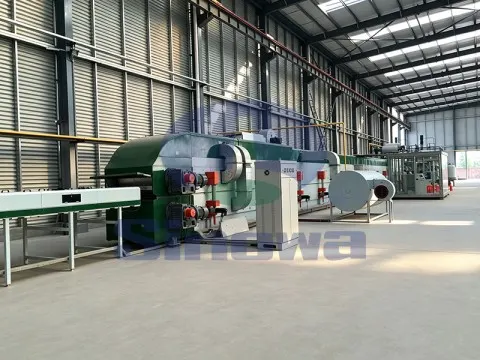
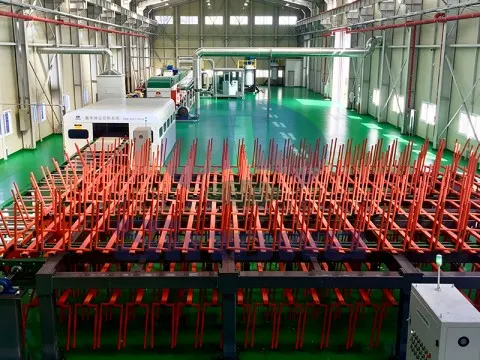
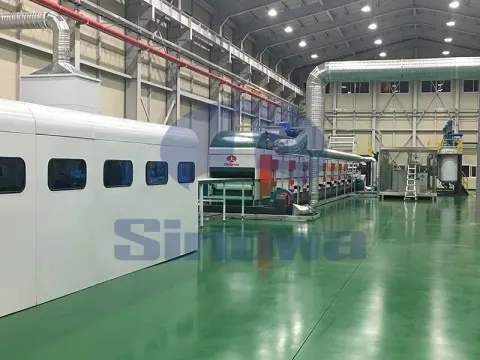
Gallery of Phenolic Boards Production Line
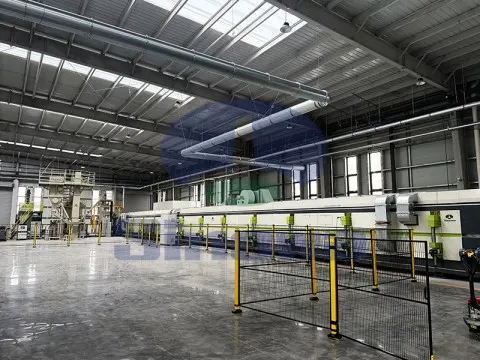
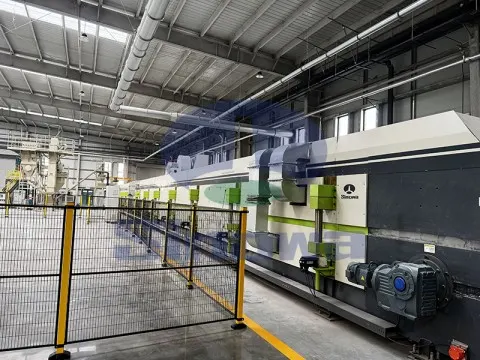
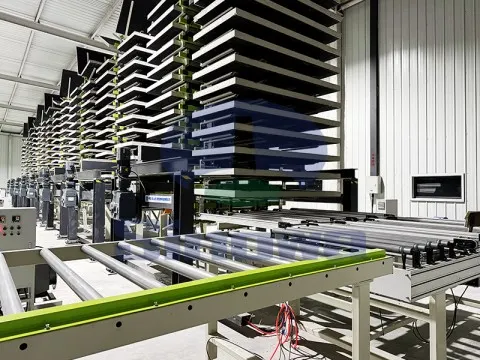
Tags: phenolic boards production line, phenolic boards production line manufacturer, phenolic boards production line supplier, china phenolic boards production line, phenolic boards production line for sale
-
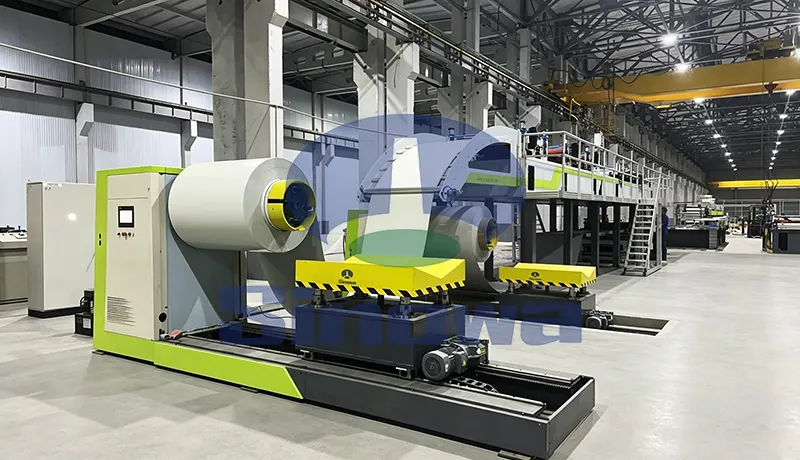
The PU sandwich panel line is a core production setup for making high-performance building insulation panels. This professional PU sandwich panel production line features automated operation to streamline the whole manufacturing process efficiently. Every component of the polyurethane sandwich panel line is precisely calibrated to ensure consistent panel thickness and structural stability. A well-maintained polyurethane sandwich panel production line can greatly boost production efficiency while reducing manual operation errors. The continuous PU sandwich panel line adapts to diverse production demands for different panel sizes and surface styles. With advanced molding technology, the PIR sandwich panel line produces panels with excellent heat preservation and sound insulation properties. Stable running of the PIR sandwich panel production line guarantees reliable product quality for various construction and industrial application scenarios.
-
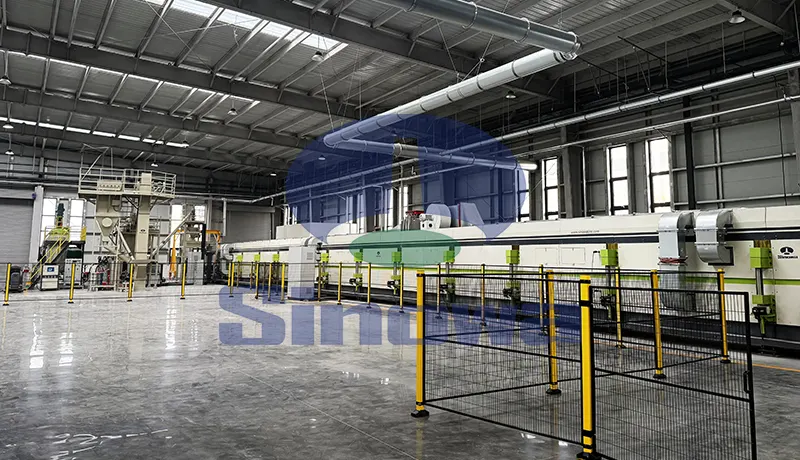
A phenolic insulation board production line serves as the core equipment for manufacturing high-performance thermal insulation building materials. This phenolic insulation panel production line integrates material mixing, foaming, molding and cutting processes to ensure continuous and stable production efficiency. Every operational link of the insulation board production line is precisely calibrated to produce uniform and durable insulation boards. The automated design of the insulation panel production line effectively reduces manual intervention and improves product consistency. Proper maintenance of the phenolic board production line can greatly extend its service life and maintain steady production output. With optimized structural design, the phenolic panel production line adapts to various production demands and delivers high-quality finished products for thermal insulation engineering applications.
-
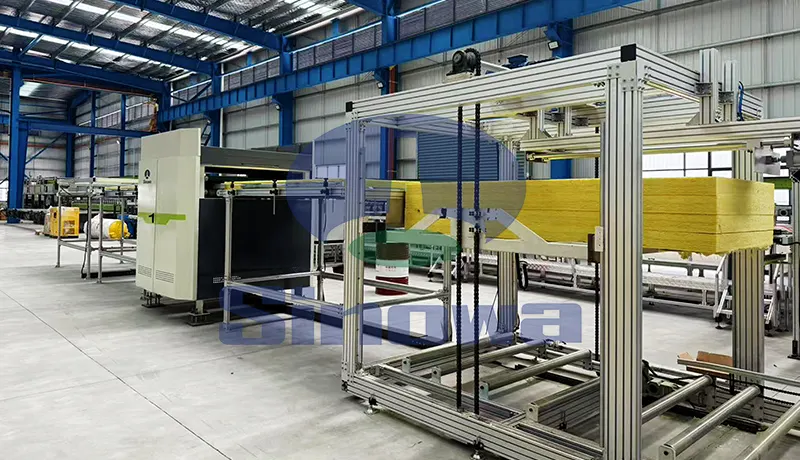
A professional rockwool sandwich panel line serves as the core equipment for producing high-performance building panels. This rockwool sandwich panel production line integrates feeding, laminating and forming processes to ensure stable and efficient production. The well-structured rock wool sandwich panel line can process raw rockwool materials into panels with excellent thermal and sound insulation properties. Operators can adjust the running parameters of the rock wool sandwich panel production line to manufacture panels of different thicknesses and specifications. The automated design of the mineral wool sandwich panel production line greatly reduces manual operation errors and improves product consistency. Regular maintenance of the mineral wool sandwich panel line is essential to sustain long-term operational efficiency and guarantee qualified finished panels for diverse construction applications.