
PU sandwich panel machine relies on a systematic set of raw materials to produce high-performance insulated panels. These materials mainly include metal facing substrates, polyurethane core chemical components, and various functional auxiliaries, each playing an irreplaceable role in determining panel structure, insulation and durability.
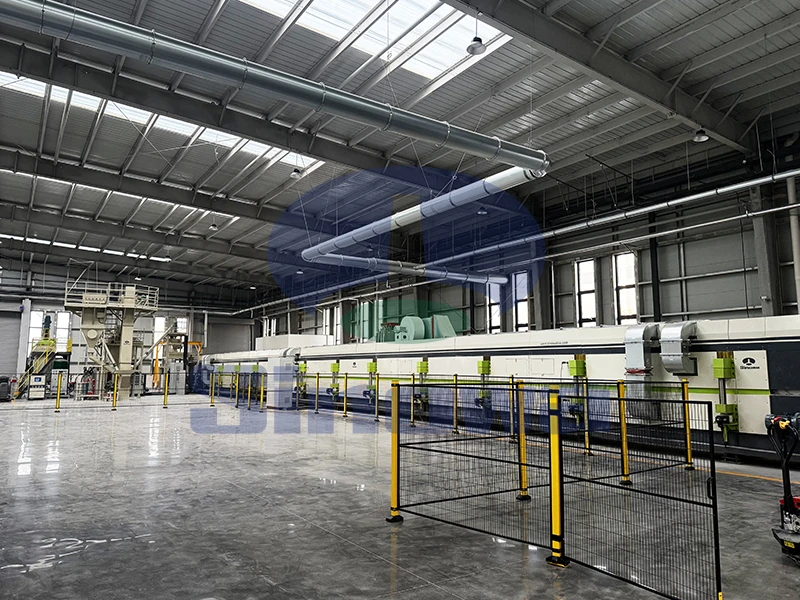
The most fundamental structural raw materials for PU sandwich panel machine production are flexible surface facing materials, which form the outer protective layers of finished panels and bear external mechanical pressure and environmental erosion. The most widely used type is pre-coated metal coils, featuring smooth surface texture and uniform thickness that fit the continuous rolling and forming process of the machine. In addition to conventional coated steel coils, aluminum coils are also common alternatives, favored for their lightweight and anti-corrosion properties suitable for interior decoration and light-duty building envelopes. For special application scenarios, flexible materials like aluminum foil and non-woven fabrics can also serve as surface layers, meeting the lightweight and breathable requirements of special insulation structures. All surface materials need to maintain complete flatness and stable surface performance before feeding into the machine, as surface defects will directly affect the forming quality and surface finish of the final sandwich panels.
Polyurethane core chemical materials are the core functional raw materials matched with PU sandwich panel machines, determining the thermal insulation and mechanical core performance of the panels. This core system is mainly composed of two basic chemical components: polyether polyol and isocyanate, which undergo rapid chemical reaction and foaming under the precise mixing control of the machine equipment. Polyether polyol provides the basic skeleton structure for polyurethane foam, endowing the foam with good toughness and bonding performance, while isocyanate acts as the curing and cross-linking agent to form a stable closed-cell foam structure. The proportion of these two raw materials needs precise matching according to production demands, which directly affects the foam density, cell uniformity and overall stability of the panel core. The machine’s high-precision mixing system fully activates the performance of these two raw materials to form a continuous and uniform foam core layer.
Foaming agents are essential auxiliary raw materials for PU sandwich panel machine production, responsible for forming the closed-cell porous structure of the polyurethane core and realizing the lightweight and thermal insulation characteristics of panels. Traditional and environmentally friendly foaming agents are both applicable to modern production equipment, and their types and dosage directly adjust the foaming multiplying power and cell fineness of polyurethane materials. Appropriate foaming agents can make the foam core form uniform and tiny closed cells, effectively blocking air heat conduction and improving the thermal insulation effect of sandwich panels. Meanwhile, qualified foaming agents will not damage the structural stability of polyurethane materials, ensuring that the foam core maintains stable volume and hardness after long-term use. The machine’s automatic dosing system can accurately control the addition amount of foaming agents to adapt to different panel thickness and density production requirements.
Flame retardant additives are key functional auxiliary raw materials for PU sandwich panel machine production, improving the fire resistance of finished panels and expanding their safe application range. Pure polyurethane foam has inherent flammability, so adding professional flame retardants during raw material mixing is a necessary process in formal production. These flame retardant raw materials can form a dense protective layer on the surface of foam cells when encountering high temperature, inhibiting flame spread and reducing smoke generation, and effectively improving the fire safety performance of sandwich panels. The flame retardant additives used in matching with the equipment have good compatibility with polyol and isocyanate, which will not affect the normal foaming reaction and bonding performance of polyurethane materials. The machine’s synchronous feeding device can evenly mix flame retardants into the core materials to ensure consistent fire resistance of the whole panel.
Stabilizer additives are important auxiliary raw materials to ensure stable production of PU sandwich panel machines and consistent product quality. These additives mainly include foam stabilizers and chemical stabilizers, serving different functional purposes in the production process. Foam stabilizers can adjust the surface tension of polyurethane reaction materials, prevent foam cell rupture and uneven pore size during foaming, and ensure the formation of a flat and dense foam core layer. Chemical stabilizers can delay the aging reaction of polyurethane raw materials, avoid material deterioration caused by temperature and time changes before machine feeding, and maintain the activity of raw materials. The use of stabilizers effectively reduces defective rates in continuous machine production, ensures the uniformity of panel core structure in batch production, and improves the overall qualification rate of products.
Adhesive auxiliary materials are indispensable supporting raw materials for PU sandwich panel machines, responsible for strengthening the bonding strength between the surface facing layer and the polyurethane foam core. Although the polyurethane foaming process itself has certain bonding performance, special matching adhesives are required for high-strength and high-stability panel production to avoid delamination between layers during long-term use. These adhesives have excellent adhesion to both metal surface materials and polyurethane foam, and can maintain stable bonding performance in different temperature and humidity environments. They feature fast curing speed, which can match the continuous high-speed production rhythm of sandwich panel machines without delaying the production process. Uniform adhesive coating by the machine ensures no gaps between the surface layer and the core layer, improving the overall structural firmness of the panel.
Protective film raw materials are practical supporting raw materials used in the final forming stage of PU sandwich panel machine production. These transparent or colored plastic films are attached to the outer surface of the formed panels by the machine’s laminating device, playing a role in anti-scratch, anti-fouling and anti-corrosion protection during panel transportation, storage and installation. The protective film materials have good flexibility and adhesion, which can be tightly attached to the smooth surface of metal panels without falling off easily, and can be quickly peeled off without residual glue after construction. The thickness and tensile strength of the protective film are matched with the panel production specifications, which will not affect the flatness and appearance quality of the panel surface. It is a low-cost but effective auxiliary material to guarantee the finished product quality of sandwich panels.
Edge sealant raw materials are special functional raw materials supporting PU sandwich panel machine production, aiming to optimize the edge sealing performance of finished panels. The cutting edges of sandwich panels formed by conventional foaming and forming processes have tiny gaps, which are prone to moisture absorption, dust entry and local aging. Professional edge sealants can fill and seal panel edges through the machine’s automatic edge-sealing device, blocking external moisture and air from entering the foam core. These sealant materials have good weather resistance and aging resistance, maintaining stable sealing effect in long-term outdoor and indoor environments. They also have good compatibility with polyurethane foam and metal surface layers, ensuring no cracking or peeling at the panel edges and prolonging the service life of sandwich panels.
Raw material pretreatment auxiliary supplies are basic supporting materials to ensure the efficient operation of PU sandwich panel machines and stable product quality. Such materials include cleaning agents for surface material decontamination and drying auxiliaries for raw material moisture removal. Before metal coils are fed into the machine, surface cleaning treatment is required to remove oil stains, dust and oxide layers, ensuring firm bonding between the surface layer and the core material. Moisture removal auxiliaries can eliminate trace moisture in polyurethane chemical raw materials, preventing bubble generation and structural defects in the foam core caused by moisture participation in chemical reactions. Standardized pretreatment of raw materials with these auxiliary supplies effectively avoids production abnormalities caused by raw material impurities and improves the stability of continuous machine production.
The matching degree of all raw materials directly determines the operating efficiency of PU sandwich panel machines and the comprehensive performance of finished panels. Different types of surface materials, core chemical materials and functional auxiliaries need scientific proportioning and standardized pretreatment to adapt to the machine’s continuous forming, mixing and laminating processes. Reasonable selection and scientific use of raw materials can not only give full play to the equipment’s production capacity and improve production efficiency, but also produce sandwich panels with excellent thermal insulation, structural stability and weather resistance, meeting the diverse application needs of construction insulation, cold storage engineering and other fields.