Cold Room Sandwich Panel Machine
Publication Date: Oct 8, 2026
Cold room sandwich panel machines are automated production systems for manufacturing insulated composite panels. They streamline foaming, bonding and forming to produce durable, energy-efficient panels for cold storage construction.
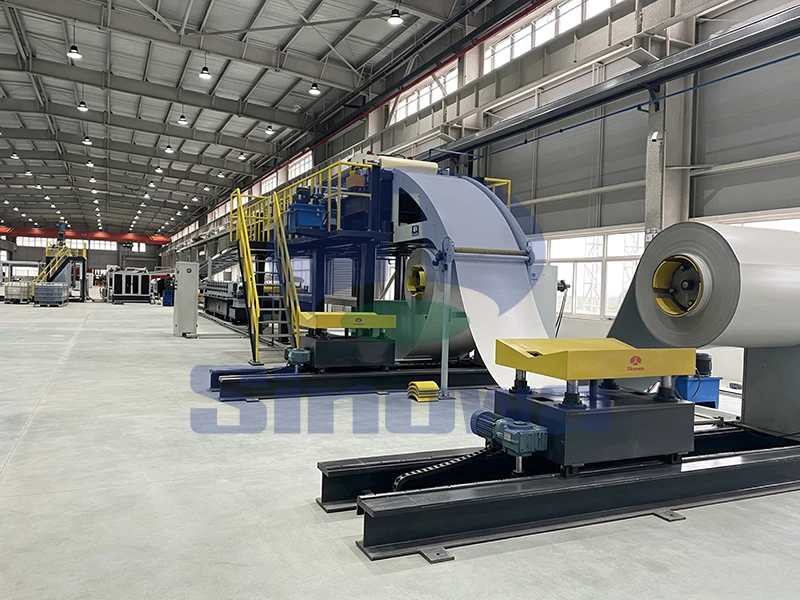
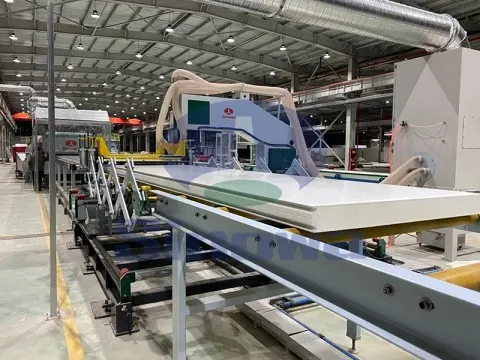
Cold room sandwich panel machines serve as the core automated equipment for manufacturing specialized insulated panels used exclusively in cold storage and low-temperature enclosure structures. Unlike general panel manufacturing devices, this equipment is professionally optimized to meet the unique demands of cold room environments, focusing on producing panels with superior thermal insulation, airtightness, and low-temperature stability. The entire production workflow integrates multiple functional modules into one seamless system, covering raw material feeding, surface layer forming, core material foaming, composite bonding, constant-temperature curing, and fixed-length cutting. Each processing link is precisely calibrated to eliminate manual operation errors and ensure consistent panel performance. The machine is designed to adapt to the structural characteristics of cold room panels, effectively avoiding common defects such as uneven foam density, weak bonding strength, and deformed plate surfaces that often occur in traditional production processes. By realizing integrated automated production, it lays a solid foundation for manufacturing high-quality panels that can maintain stable insulation performance in long-term low-temperature working conditions.
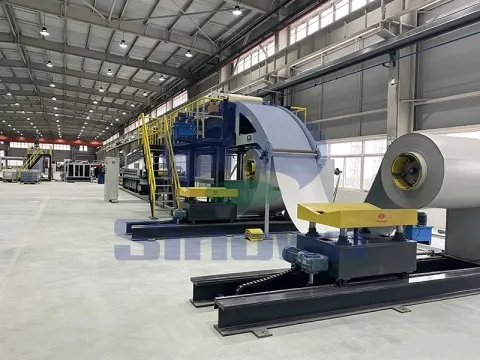
The operational logic of cold room sandwich panel machines centers on precise material compounding and continuous forming technology, which determines the overall quality and applicability of finished panels. The machine first completes the automatic feeding and leveling of metal surface materials, ensuring the outer and inner skins of the panels maintain flat and uniform specifications. Meanwhile, the core insulation materials, mainly polyurethane or polyisocyanurate composites, are accurately proportioned and injected through high-pressure foaming systems. The foaming process is strictly controlled to form a dense closed-cell structure inside the core material, which is the key to achieving excellent thermal insulation effects. After material injection, the double-belt conveyor system clamps the double-layer metal skins and foaming core tightly, providing stable pressure and constant temperature for integral curing. This synchronous forming and curing process enables the core material and metal skins to form an integrated composite structure without gaps or loose bonding. The continuous cyclic operation mode avoids intermittent production efficiency bottlenecks and ensures the continuity and stability of panel production.
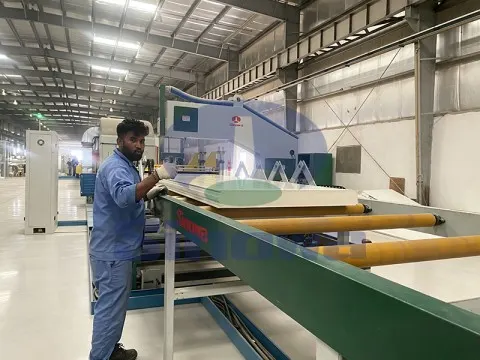
Automation is one of the most prominent advantages of modern cold room sandwich panel machines, greatly optimizing production efficiency and product consistency. The equipment is equipped with intelligent control systems that can independently adjust operating parameters such as feeding speed, foaming volume, curing temperature, and cutting length according to production demands. Most operational links require minimal manual intervention, effectively reducing labor input and avoiding quality fluctuations caused by human operation differences. The built-in sensing modules monitor the production status in real time, automatically identifying abnormal conditions such as material blockage, uneven foaming, and pressure deviation, and implement timely parameter adjustment or fault alarm. This intelligent monitoring mechanism effectively reduces product defect rates and improves production yield. In addition, the automated assembly line realizes uninterrupted cyclic production, greatly shortening the single-panel production cycle and significantly improving daily output capacity, which is suitable for large-scale batch production of cold room panels.
The structural design of cold room sandwich panel machines fully considers the professional performance requirements of cold storage engineering, endowing finished panels with excellent environmental adaptability. The equipment adopts a reinforced mechanical structure and stable transmission system, which can maintain long-term stable operation without vibration or displacement deviation during high-intensity continuous production. The core foaming module adopts high-precision metering and injection technology, which makes the foam core material have uniform density and fine closed-cell structure. This structural feature enables the finished panels to effectively block external heat transfer and air convection, realizing efficient heat preservation and cold insulation effects. Moreover, the composite bonding process optimized by the machine enhances the adhesion between the metal surface and the foam core, making the panels have strong compression resistance and anti-deformation ability. The finished panels can resist low-temperature shrinkage and moisture erosion in humid and low-temperature cold room environments, avoiding structural damage and performance attenuation during long-term use.
Cold room sandwich panel machines support flexible production of diversified panel specifications to meet the personalized construction needs of different cold storage projects. Through simple parameter adjustment, the equipment can produce panels with different thicknesses, widths and lengths, adapting to the construction requirements of small-sized household cold rooms, medium-sized commercial cold storages and large-scale industrial low-temperature warehouses. It can also match different surface material types, including pre-painted steel plates, galvanized steel plates and aluminum plates, to produce panels with different corrosion resistance and appearance effects. In terms of core material production, the machine can switch between different foaming formulas to manufacture insulation panels with different thermal conductivity parameters, meeting the insulation demands of different low-temperature storage scenarios. This flexible production feature eliminates the need for multiple sets of professional equipment for different panel specifications, effectively reducing production configuration costs and improving the versatility and practicality of the production line.
Energy-saving and environmental protection design runs through the whole operation process of cold room sandwich panel machines, conforming to the sustainable development trend of modern building material production. The optimized foaming system adopts environmentally friendly foaming agents instead of traditional harmful chemical additives, avoiding the generation of polluting substances during production. The precise material metering technology effectively reduces raw material waste, improving the utilization rate of insulation core materials and surface metal materials. In terms of energy consumption, the equipment is equipped with energy-saving heating and power transmission systems, which can automatically adjust power output according to production load, reducing invalid energy consumption during equipment standby and low-load operation. In addition, the closed-cell structure formed by the machine’s professional foaming process enables the finished panels to have excellent energy-saving performance in later cold room operation, reducing the long-term energy consumption of cold storage refrigeration equipment and realizing double energy saving in production and application links.
The stability and durability of cold room sandwich panel machines ensure long-term high-efficiency operation and stable product quality output. The key load-bearing and transmission parts of the equipment are made of high-strength wear-resistant materials, which can withstand long-term high-frequency operation and reduce wear and failure rates. The sealed production structure effectively isolates external dust and moisture, preventing internal mechanical parts and control systems from being affected by environmental factors and ensuring the accuracy of long-term parameter operation. The thermal curing system has stable temperature control performance, which can maintain a constant curing temperature range for a long time, avoiding panel quality differences caused by temperature fluctuations. Regular maintenance of the equipment is simple and convenient, with modular structural design enabling quick disassembly, inspection and replacement of vulnerable parts. This reliable operational performance reduces equipment downtime and maintenance costs, ensuring the continuous and stable operation of the production line for a long time.
Finished panels produced by cold room sandwich panel machines have outstanding comprehensive performance, becoming the preferred enclosure material for modern cold storage construction. The integrated composite structure formed by precise mechanical processing gives the panels ultra-low thermal conductivity, which can effectively isolate external heat and maintain the stable low-temperature environment inside the cold room. The dense closed-cell foam core has excellent moisture-proof and waterproof performance, preventing water vapor penetration that may cause insulation failure and mold growth inside the cold room. The metal surface layer processed by the machine has smooth texture and strong corrosion resistance, which can resist the erosion of humid and low-temperature environments and extend the service life of cold room enclosures. At the same time, the panels have good seismic performance and structural stability, which can adapt to different building structures and installation environments, providing safe and reliable enclosure protection for various cold storage spaces.
The application value of cold room sandwich panel machines runs through the entire cold chain infrastructure construction industry, promoting the standardized development of cold storage engineering. With the continuous expansion of cold chain logistics, food preservation, pharmaceutical low-temperature storage and other industries, the market demand for high-performance cold room insulation panels continues to rise. This professional production equipment realizes standardized and batch production of cold room panels, effectively solving the problems of uneven quality and low production efficiency of traditional manual and semi-automatic production methods. The panels produced by the machine can be quickly assembled and constructed, shortening the construction cycle of cold storage projects and reducing the overall construction cost of cold rooms. By improving the production level of cold insulation materials, the equipment provides reliable material support for the upgrading of cold storage infrastructure and promotes the high-quality development of the entire cold chain industry.
Looking at the development trend of the industry, cold room sandwich panel machines are constantly evolving towards higher intelligence, higher efficiency and stronger versatility. With the continuous progress of mechanical manufacturing and intelligent control technology, the new generation of equipment has more precise parameter control capabilities and richer flexible production functions, which can meet the increasingly refined performance requirements of modern cold storage for insulation panels. The continuous optimization of energy-saving and environmental protection technologies further reduces the production energy consumption and environmental impact of the equipment. In the future, this type of automated production equipment will continue to be the core supporting facility for cold room panel manufacturing, continuously empowering the technological upgrading and efficiency improvement of the cold storage construction industry, and providing more high-quality and efficient material solutions for low-temperature storage engineering in various fields.
Gallery of Cold Room Sandwich Panel Machine
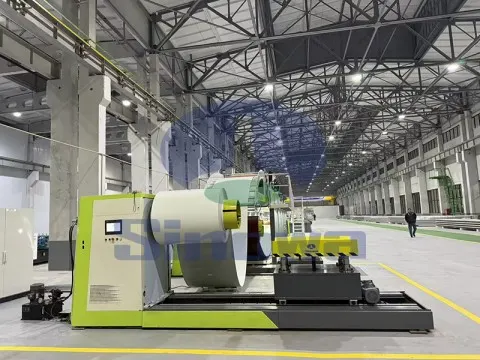
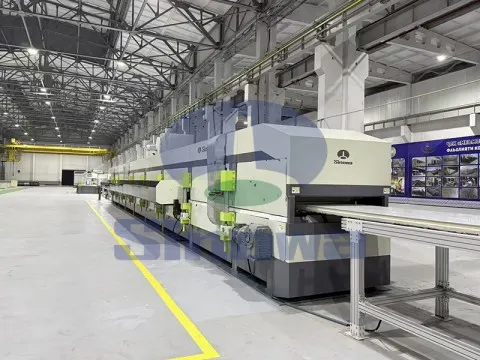
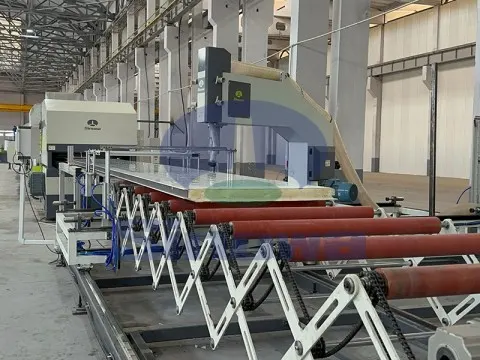
Tags: cold room sandwich panel machine, cold room sandwich panel machine manufacturer, cold room sandwich panel machine supplier, china cold room sandwich panel machine, cold room sandwich panel machine for sale
https://www.sandwichpanelmachinery.com/tags/cold-room-sandwich-panel-machine.html
-
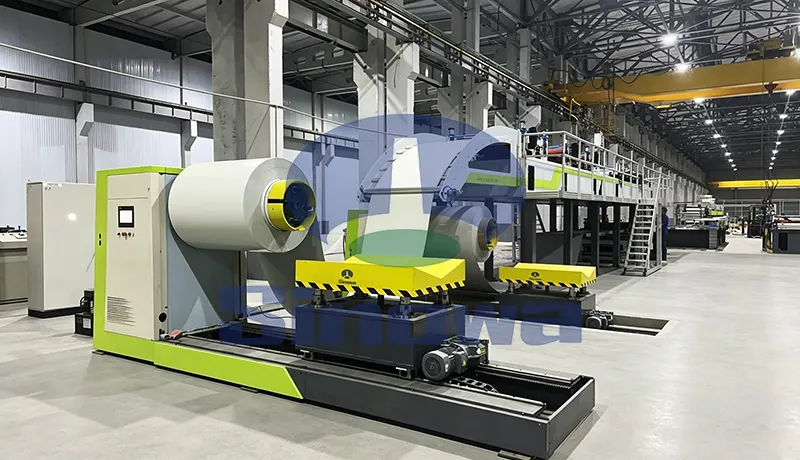
The PU sandwich panel line is a core production setup for making high-performance building insulation panels. This professional PU sandwich panel production line features automated operation to streamline the whole manufacturing process efficiently. Every component of the polyurethane sandwich panel line is precisely calibrated to ensure consistent panel thickness and structural stability. A well-maintained polyurethane sandwich panel production line can greatly boost production efficiency while reducing manual operation errors. The continuous PU sandwich panel line adapts to diverse production demands for different panel sizes and surface styles. With advanced molding technology, the PIR sandwich panel line produces panels with excellent heat preservation and sound insulation properties. Stable running of the PIR sandwich panel production line guarantees reliable product quality for various construction and industrial application scenarios.
-
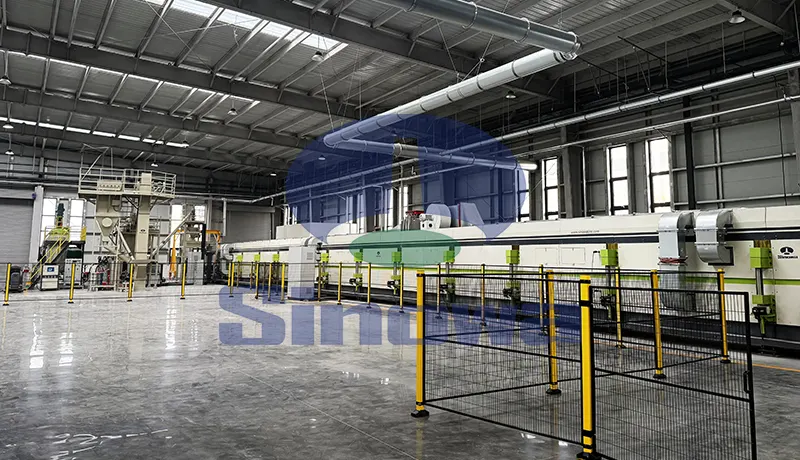
A phenolic insulation board production line serves as the core equipment for manufacturing high-performance thermal insulation building materials. This phenolic insulation panel production line integrates material mixing, foaming, molding and cutting processes to ensure continuous and stable production efficiency. Every operational link of the insulation board production line is precisely calibrated to produce uniform and durable insulation boards. The automated design of the insulation panel production line effectively reduces manual intervention and improves product consistency. Proper maintenance of the phenolic board production line can greatly extend its service life and maintain steady production output. With optimized structural design, the phenolic panel production line adapts to various production demands and delivers high-quality finished products for thermal insulation engineering applications.
-
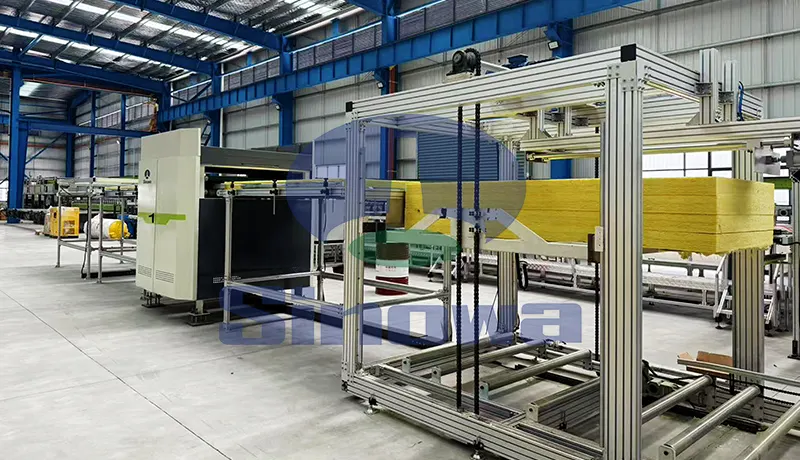
A professional rockwool sandwich panel line serves as the core equipment for producing high-performance building panels. This rockwool sandwich panel production line integrates feeding, laminating and forming processes to ensure stable and efficient production. The well-structured rock wool sandwich panel line can process raw rockwool materials into panels with excellent thermal and sound insulation properties. Operators can adjust the running parameters of the rock wool sandwich panel production line to manufacture panels of different thicknesses and specifications. The automated design of the mineral wool sandwich panel production line greatly reduces manual operation errors and improves product consistency. Regular maintenance of the mineral wool sandwich panel line is essential to sustain long-term operational efficiency and guarantee qualified finished panels for diverse construction applications.