
Various metal sheets are compatible with sandwich panel machinery, each with unique physical and functional traits. The selection hinges on processing adaptability, durability, and application scenarios, covering common coated steel, aluminum, and stainless steel sheets for diverse production needs.
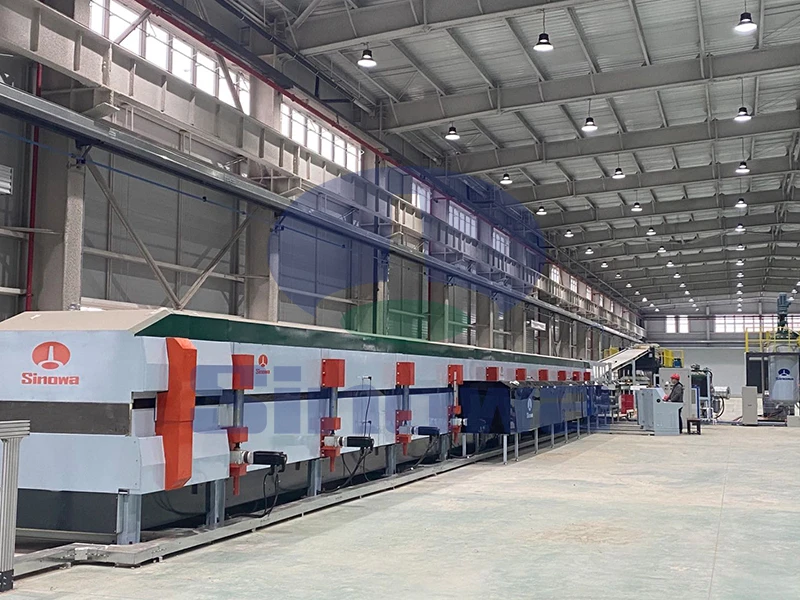
Pre-painted galvanized steel sheets stand as the most widely used metal material for standard sandwich panel machinery production. These sheets feature a hot-dip galvanized steel base covered with a high-temperature cured paint layer, which integrates the mechanical stability of steel and anti-corrosion performance of organic coatings. In the operation of sandwich panel machinery, these sheets show excellent leveling and forming adaptability, able to undergo unwinding, rolling, embossing, and bonding processes without cracking or coating peeling. The uniform surface hardness and ductility ensure consistent processing effects during continuous mechanical production, greatly reducing the rate of defective products. Additionally, the rich color and smooth surface of pre-painted galvanized steel sheets eliminate the need for secondary surface treatment after panel forming, which simplifies the overall production workflow of sandwich panel machinery and improves continuous production efficiency. Their balanced performance in cost-effectiveness and usability makes them ideal for mass production of ordinary building wall and roof sandwich panels.
Galvalume steel sheets, also known as aluminum-zinc coated steel sheets, are another reliable option optimized for long-term outdoor use in sandwich panel machinery processing. Different from conventional galvanized steel, their composite aluminum-zinc coating provides superior oxidation and weather resistance, enabling the processed sandwich panels to resist fading, rusting, and aging under long-term sun exposure and humid environments. When matched with professional sandwich panel machinery, galvalume steel sheets maintain stable ductility and tensile properties during high-speed rolling and bending processes. The compact coating structure avoids surface damage during mechanical stretching and extrusion, ensuring the integrity of the protective layer. This type of metal sheet is particularly suitable for machinery production of outdoor building sandwich panels that require long service life, effectively extending the service cycle of finished panels and reducing later maintenance costs for building envelope structures.
Aluminum sheets and aluminum alloy sheets are lightweight metal materials specially adapted for high-flexibility sandwich panel machinery production. Featuring low density, excellent plasticity, and strong thermal conductivity, these sheets can easily adapt to various complex forming processes of sandwich panel equipment, including fine embossing, arc bending, and special-shaped cutting. Compared with steel sheets, aluminum sheets impose less load on mechanical processing components, reducing equipment wear and energy consumption during long-term continuous operation. Their natural anti-corrosion property eliminates the risk of surface rust in humid and mild corrosive environments, making them suitable for producing lightweight insulation sandwich panels for special buildings. In addition, aluminum sheets have good bonding compatibility with various core materials such as polyurethane and rock wool, which helps the machinery achieve firm composite bonding and improve the overall structural stability of finished sandwich panels.
Stainless steel sheets are high-performance metal materials for sandwich panel machinery targeting special industrial and sanitary scenarios. With outstanding corrosion resistance, high temperature resistance, and stain resistance, stainless steel sheets can withstand harsh working environments including strong humidity, chemical erosion, and frequent cleaning. During mechanical processing, stainless steel sheets have high structural rigidity and stable dimensional stability, avoiding deformation and warping in high-precision rolling and composite molding processes. Although their hardness is higher than ordinary steel sheets, professional sandwich panel machinery with adjusted rolling pressure and speed parameters can achieve smooth processing without surface scratches or structural damage. The sterile and easy-to-clean surface of processed stainless steel sandwich panels meets the strict requirements of clean rooms, food processing workshops, and pharmaceutical production spaces, filling the demand for high-standard functional sandwich panels.
Hot-dip galvanized steel sheets without paint coating are practical raw materials for industrial-grade sandwich panel machinery production. Relying on a thick and uniform hot-dip zinc layer, these sheets provide reliable basic anti-corrosion protection and strong metal texture. They have excellent mechanical adaptability to heavy-duty sandwich panel machinery, resisting deformation under high-pressure composite and rolling processes. The pure metal surface ensures stable bonding strength with various insulation core materials, and the zinc layer can form a stable protective structure after mechanical processing without peeling or falling off. Uncoated galvanized steel sheets are often used for producing industrial sandwich panels that do not require decorative surfaces but prioritize structural strength and durability, such as factory partition panels and equipment insulation enclosure panels, meeting the rugged use demands of industrial sites.
Embossed metal sheets, mainly including embossed steel and aluminum sheets, are specialized decorative metal materials processed by customized sandwich panel machinery. These sheets are pre-treated with uniform embossing textures on the surface through professional rolling equipment, which enhances the three-dimensional aesthetic of finished sandwich panels while improving surface wear resistance. The embossing process is completed by matching the precision roller sets of sandwich panel machinery, and the metal sheets maintain uniform texture depth and consistent flatness after processing. The optimized surface structure of embossed metal sheets also enhances the friction force with the insulation core layer, further improving the overall composite firmness of sandwich panels. This type of metal sheet is widely processed by targeted machinery to produce decorative insulation panels for interior building walls, achieving the integration of structural insulation and architectural decoration.
Thin-gauge high-toughness steel sheets are lightweight and high-strength raw materials optimized for high-speed automated sandwich panel machinery. With a reasonable thickness design and refined internal grain structure, these sheets balance thinness and mechanical toughness, enabling high-speed unwinding, continuous rolling, and rapid composite molding on automated production lines. They do not produce brittle fracture or local deformation during high-frequency mechanical processing, ensuring the continuity and stability of automated production. The lightweight feature reduces the overall weight of finished sandwich panels, making building installation more convenient, while the high tensile strength guarantees the structural load-bearing capacity of the panels. This metal sheet is mainly suitable for large-scale automated machinery production of standard lightweight building sandwich panels, significantly improving single-line production capacity.
Corrosion-resistant alloy metal sheets are customized materials for sandwich panel machinery serving extreme environmental engineering projects. These sheets are doped with special alloy components to enhance resistance to acid, alkali, salt spray, and severe atmospheric corrosion, far exceeding the protection performance of conventional coated metal sheets. When processed by professional anti-corrosion sandwich panel production equipment, the alloy structure remains stable under mechanical force, without performance attenuation caused by rolling and bending. The processed sandwich panels can maintain complete structural and surface integrity in coastal, chemical, and marine engineering environments. Although the processing parameter requirements for such metal sheets are stricter, professional machinery can complete standardized production through parameter debugging, meeting the extreme environmental adaptation needs of special engineering buildings.
Composite coated metal sheets are upgraded functional materials compatible with multi-functional sandwich panel machinery. These sheets adopt multi-layer composite coating technology, integrating weather resistance, fire retardancy, and anti-fouling functions on the metal base surface. Multi-functional sandwich panel machinery can complete one-step molding of composite coating and metal substrate compounding, avoiding secondary processing procedures. During mechanical forming, the composite coating has good flexibility and adhesion, synchronously deforming with the metal sheet without cracking or falling off. The finished sandwich panels have multiple protective functions while maintaining stable mechanical properties, suitable for producing high-end energy-saving and environmentally friendly building enclosure panels. This type of metal sheet expands the functional boundary of sandwich panel machinery production and enriches the product diversity of the industry.
The rational matching of different metal sheets and sandwich panel machinery directly determines product quality, production efficiency, and application scope. Each type of metal sheet has unique processing characteristics and scenario advantages, requiring targeted adjustment of machinery parameters such as rolling speed, pressure, and bonding temperature. Selecting appropriate metal sheets according to production positioning and application demands can maximize the performance of sandwich panel machinery, ensure stable and standardized product output, and meet the diversified and high-quality development needs of modern building insulation and enclosure materials.