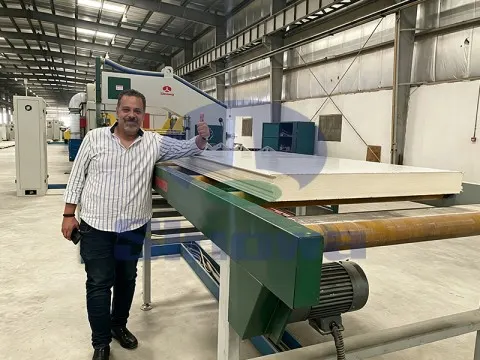
Sandwich Panel Production Line
Publication Date: Oct 6, 2026
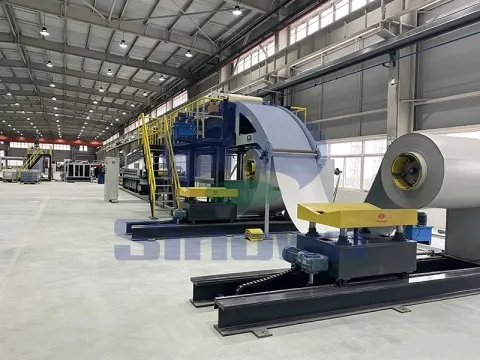
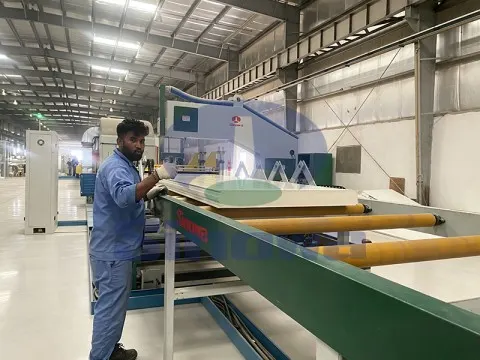
Sandwich panel production lines manufacture composite insulation panels with core materials including PU, PIR, phenolic, rock wool, mineral wool and glass wool. These automated lines produce versatile wall, roof and cold storage panels widely used in modern construction and industrial insulation projects.
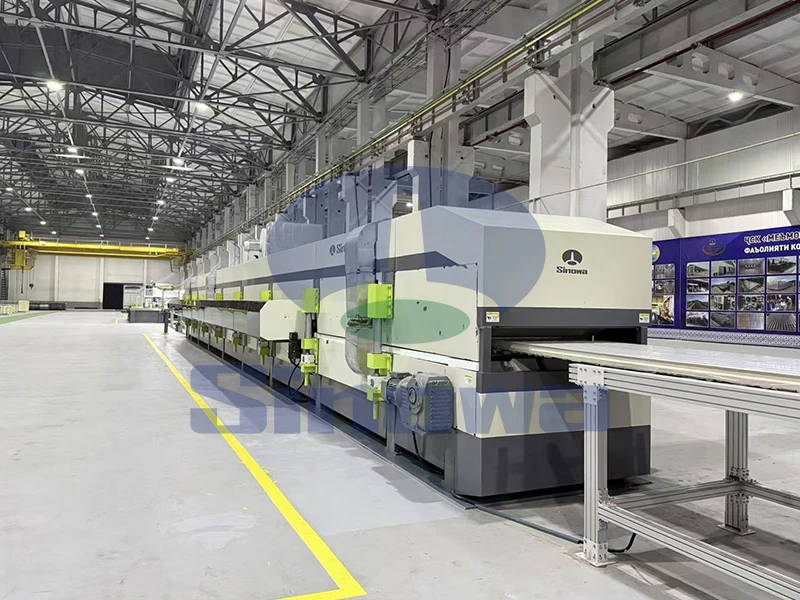
Polyurethane sandwich panel production lines are highly automated continuous manufacturing systems designed to deliver lightweight, high-insulation composite panels for diverse building and industrial scenarios. The entire production process covers automatic plate uncoiling, surface leveling, high-pressure foaming, core material filling, thermal curing, profiling and fixed-length cutting, realizing one-stop integrated production. Equipped with precise batching and constant temperature control systems, the lines ensure uniform foaming density and stable bonding strength between the metal outer sheet and polyurethane core layer. Polyurethane panels produced by such lines feature extremely low thermal conductivity, excellent heat preservation and moisture resistance, as well as a favorable strength-to-weight ratio that reduces overall building load. In practical applications, these panels are widely fabricated into building wall panels and roof panels for factory buildings, logistics warehouses and prefabricated construction facilities, providing effective thermal insulation and weather resistance for building envelopes. Meanwhile, their outstanding low-temperature resistance makes them ideal core materials for cold storage panels, which are extensively applied in food cold chain warehouses, pharmaceutical storage spaces and low-temperature processing workshops to maintain stable internal temperature and reduce energy consumption. The flexible parameter adjustment of the production line also enables customized production of panels with different thicknesses to adapt to varying insulation and structural requirements of different scenarios.
PIR sandwich panel production lines are upgraded professional manufacturing systems optimized on the basis of traditional polyurethane panel production equipment, focusing on producing fire-resistant and high-stability polyisocyanurate composite panels. Different from ordinary polyurethane production processes, PIR lines adopt improved chemical mixing and high-temperature curing technologies, which enhance the molecular stability of the foam core and significantly upgrade flame retardant and high-temperature resistant performance while retaining superior thermal insulation properties. The automated production workflow includes precise proportional feeding of special PIR raw materials, high-pressure uniform mixing, continuous foaming molding and secondary constant-temperature curing, ensuring the core material forms a compact and stable cellular structure. Panels manufactured by PIR production lines integrate the advantages of light weight, high thermal efficiency and excellent fire safety, making them suitable for high-standard construction fields with strict fire protection requirements. They are commonly used as exterior wall panels and roof panels for public buildings, commercial complexes and industrial plants, effectively improving the fire resistance grade of building envelopes. In the cold storage industry, PIR cold storage panels have become a mainstream choice for medium and large-sized constant-temperature warehouses, as they can effectively block heat transfer and avoid cold loss, while providing better fire protection compared with ordinary polyurethane panels. The production line also supports fine adjustment of foam density and panel thickness to meet the differentiated needs of architectural decoration and industrial insulation.
Phenolic sandwich panel production lines are professional automated equipment dedicated to manufacturing high-fire-resistance, low-smoke and corrosion-resistant phenolic foam composite panels. The production process features targeted optimization for the chemical characteristics of phenolic resin, including automatic raw material proportioning, low-temperature foaming, slow curing and precise lamination molding, which avoids the defects of uneven foaming and brittle core materials in traditional manual production. The phenolic foam core produced by advanced line equipment has a closed-cell structure, endowing the panels with excellent thermal insulation, sound absorption and waterproof performance, as well as ultra-low smoke density and non-toxic combustion characteristics. These panels are widely processed into building wall panels and roof panels for high-fire-risk areas such as shopping malls, subway stations, airport terminals and industrial workshops with flammable materials. In the field of special industrial insulation, phenolic panels are also used as cold storage panels for special chemical storage warehouses, where their corrosion resistance and fire safety can adapt to harsh storage environments. In addition, the production line can produce lightweight phenolic sandwich panels for interior partition walls, which not only meet fire protection and insulation requirements but also reduce the overall structural load of buildings, realizing dual improvement of safety and practicability.
Rock wool sandwich panel production lines are specialized continuous production systems for inorganic fireproof insulation panels, taking high-quality rock wool fiber as the core raw material and matching with metal outer plates for composite molding. The production process includes rock wool core material cutting, arrangement and paving, automatic glue spraying, upper and lower plate lamination, high-pressure composite shaping and fixed-length cutting, ensuring firm bonding between the inorganic core and metal plates without delamination or deformation. Rock wool core materials processed by professional production equipment retain excellent inorganic flame retardant performance, high-temperature resistance and sound insulation effect, with stable physical properties that are not easy to age or deform in long-term use. Panels produced by rock wool production lines are the preferred materials for fireproof building envelopes, mainly used as exterior wall panels and roof panels for high-rise buildings, industrial factories and fireproof partition walls for building interior spaces. Their superior sound absorption and noise reduction performance also makes them suitable for wall and roof insulation of noise-sensitive places such as factory workshops and public entertainment venues. In special industrial fields, thickened rock wool sandwich panels produced by adjusted line parameters can be used for thermal insulation and fire isolation of high-temperature workshops, providing reliable safety protection for building operation.
Mineral wool sandwich panel production lines are versatile automated manufacturing devices designed for multi-scene insulation and fireproof panels, using mineral wool formed from natural mineral melting and fiber spinning as the core material. The production line adopts modular continuous processing technology, covering automatic core material feeding, fiber uniform arrangement, glue composite bonding, rolling shaping and precise cutting, which effectively solves the problems of loose fiber arrangement and unstable product quality in traditional production. Mineral wool core materials have balanced performance in fire resistance, thermal insulation and sound insulation, with good moisture permeability and anti-aging ability, adapting to various complex natural environments. The finished mineral wool sandwich panels are widely used as building exterior wall panels and roof panels for civil buildings, industrial plants and agricultural greenhouses, achieving effective building heat preservation and energy saving. In the field of industrial cold storage, mineral wool composite panels with appropriate density can serve as auxiliary cold storage enclosure panels, cooperating with high-insulation core materials to enhance the overall thermal insulation effect of cold storage. Moreover, the production line can adjust the fiber density and panel thickness of mineral wool core materials to produce lightweight partition panels for interior decoration, meeting the dual needs of indoor sound insulation and fire isolation.
Glass wool sandwich panel production lines are professional automated equipment for manufacturing lightweight and high-efficiency sound-insulation composite panels, taking ultra-fine glass fiber cotton as the core raw material. The production process is optimized for the fluffy and porous structural characteristics of glass wool, including automatic cotton spreading, uniform fiber carding, environmental-friendly glue infiltration, metal plate composite lamination and low-pressure slow shaping, which fully retains the porous structure of glass wool and avoids fiber compression and performance attenuation. Glass wool core materials have outstanding sound absorption, light weight and low thermal conductivity, with soft texture and excellent flexible adaptability. Panels produced by glass wool production lines are mainly applied to building interior wall panels, ceiling panels and roof insulation layers, especially suitable for sound insulation and noise reduction of office buildings, hotels, schools and residential buildings. In industrial scenarios, these panels can be used for noise reduction enclosure of mechanical workshops and ventilation equipment rooms. Although glass wool panels are less commonly used as main cold storage panels, customized thin glass wool composite panels produced by the production line can be used for auxiliary insulation of cold storage auxiliary facilities, reducing equipment operation noise while assisting temperature control. The flexible production parameters of the line also support the production of special-shaped panels to adapt to complex building structural layouts.
The integrated performance advantages of polyurethane and PIR sandwich panel production lines lay a solid foundation for their wide application in the cold storage and construction industry. Both types of lines adopt continuous high-pressure foaming and precise temperature control systems, which can stably produce high-density, closed-cell foam core panels with ultra-low thermal conductivity, far exceeding traditional insulation materials in heat preservation efficiency. Polyurethane panels produced by standard lines focus on cost performance and basic thermal insulation, suitable for conventional civil building wall and roof insulation as well as ordinary civil cold storage projects. PIR production lines, with upgraded curing and formula systems, produce panels with enhanced fire resistance and high-temperature stability, which can cope with stricter building fire protection standards and are more suitable for large commercial cold storage, low-temperature logistics parks and high-standard industrial plant envelopes. Both production lines support automatic continuous operation, with high production efficiency and stable product consistency, and can realize flexible switching of panel thickness and specifications. In practical engineering applications, the two types of panels produced by the lines can be matched and used according to project needs, taking into account thermal insulation energy saving and building safety, covering most medium and high-standard building insulation and cold storage enclosure scenarios.
Phenolic, rock wool and mineral wool sandwich panel production lines represent the mainstream production equipment for inorganic and high-fire-resistance insulation panels, catering to the market demand for high-safety building envelopes. Phenolic production lines focus on the advantages of low smoke, non-toxic and corrosion resistance, and the produced panels are suitable for public buildings and special industrial environments with strict environmental protection and safety requirements, serving as high-quality wall and roof fireproof insulation materials. Rock wool production lines take advantage of ultra-high fire resistance and high-temperature resistance, and their products are widely used in fireproof partition and high-temperature workshop insulation scenarios, becoming the core material for building fire safety isolation. Mineral wool production lines have comprehensive performance, with balanced fire resistance, thermal insulation and weather resistance, and their products are suitable for general industrial and civil building exterior wall and roof insulation, with strong environmental adaptability. All three production lines adopt automated composite molding technology, which ensures firm bonding between the core material and the outer plate, stable structural performance and long service life. Their products can also be applied to special cold storage projects with high fire protection requirements, providing safe and reliable enclosure solutions for special low-temperature storage environments.
Glass wool sandwich panel production lines differ from other equipment in lightweight and sound insulation performance, forming a differentiated product layout in the sandwich panel manufacturing field. Different from rigid core materials such as polyurethane and rock wool, glass wool core materials produced by professional lines have a porous and fluffy fiber structure, bringing excellent sound absorption and noise reduction effects while maintaining basic thermal insulation performance. The production line adopts low-pressure molding technology to avoid crushing glass wool fibers, ensuring that the finished panels retain complete sound-absorbing pores and stable sound insulation performance for a long time. In building application scenarios, glass wool sandwich panels are mainly used for interior wall insulation, ceiling sound absorption and roof auxiliary insulation, effectively reducing indoor noise resonance and improving building comfort. In industrial production, the panels can be used for sound insulation enclosure of production workshops, equipment rooms and ventilation systems to reduce industrial noise pollution. Although their structural strength and fire resistance are slightly lower than rock wool and phenolic panels, their ultra-light weight and superior sound insulation make them irreplaceable in indoor decoration and noise reduction engineering. The production line can also realize personalized production according to user needs to meet the diversified sound insulation and insulation needs of different scenarios.
The types of sandwich panel production lines cover the full range of functional needs of building insulation, fire protection, sound insulation and industrial cold storage, forming a complete industrial manufacturing system for composite insulation panels. Each production line has targeted process characteristics and product performance advantages, corresponding to differentiated application scenarios of wall panels, roof panels and cold storage panels. Foam core lines including polyurethane and PIR focus on high-efficiency thermal insulation and cold storage energy saving; phenolic, rock wool and mineral wool lines focus on high fire safety and environmental adaptability; glass wool lines focus on lightweight sound insulation and indoor comfort improvement. All production lines realize automated continuous production, with stable product quality and flexible specification adjustment, which can meet the diversified construction needs of civil buildings, industrial facilities, cold chain logistics and special engineering projects. With the continuous upgrading of building energy-saving and safety standards, these professional sandwich panel production lines will further optimize production processes, providing more efficient, safe and energy-saving composite panel products for the modern construction and industrial insulation industry.
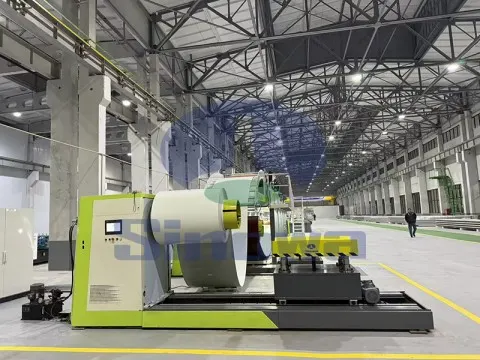
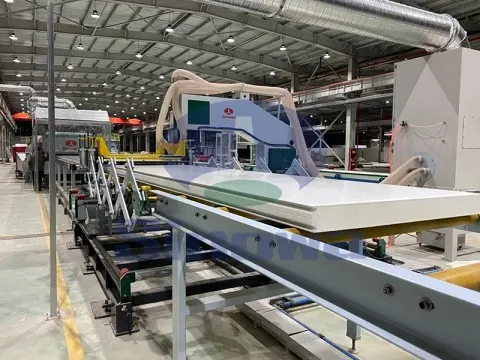
Gallery of Sandwich Panel Production Line
Tags: sandwich panel production line, sandwich panel production line manufacturer, sandwich panel production line supplier, china sandwich panel production line, sandwich panel production line for sale
https://www.sandwichpanelmachinery.com/tags/sandwich-panel-production-line.html
Related Informations
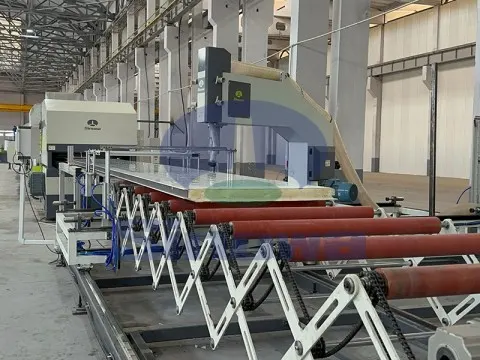
How To Solve Dimensional Deviation Of Panels From PUF Sandwich Panel Production Line?
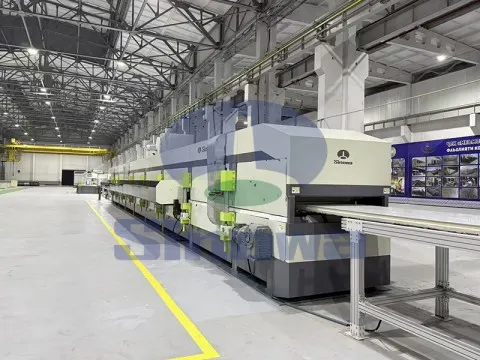
PUF Sandwich Panel Production Line