How To Maintain Polyurethane Sandwich Panel Production Line?
Publication Date: Sep 23, 2026
Proper maintenance of a polyurethane sandwich panel production line is critical to stable operation, consistent product quality and extended equipment service life. Regular daily checks, systematic cleaning, lubrication and timely component inspection can effectively avoid frequent failures and reduce unnecessary production downtime.
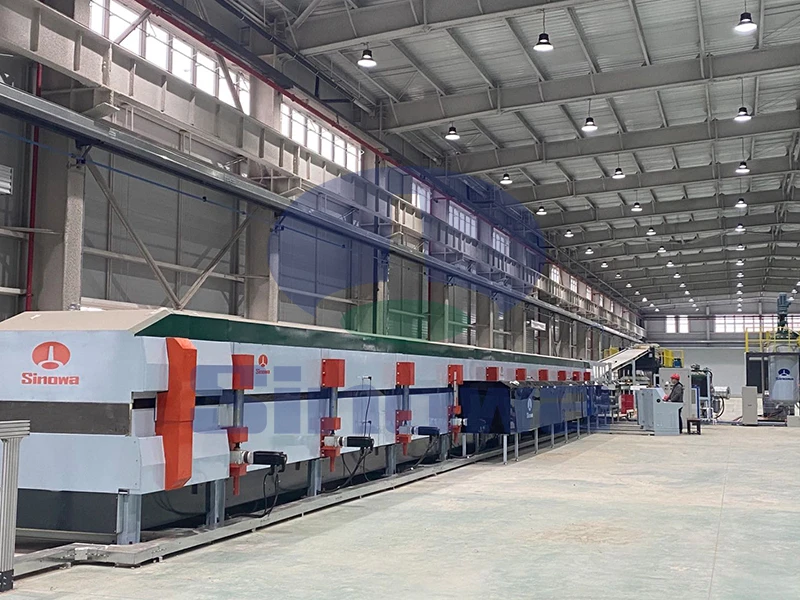
Daily routine inspection serves as the foundation of long-term stable operation for polyurethane sandwich panel production lines and should be implemented strictly before and after each production shift. Operators need to conduct a comprehensive visual check of all running parts, including transmission rollers, feeding devices and polyurethane foaming systems, to identify abnormal conditions such as loose parts, surface abrasion, material blockages and oil leakage in a timely manner. It is essential to observe the operating sound and running speed of the entire equipment during trial operation, as unusual noise or speed fluctuation often indicates potential mechanical or electrical faults. Besides, workers should check the connection status of all circuit lines and air pipelines to ensure no loose connectors, broken wires or air leakage points. All inspection results need to be recorded truthfully to form continuous maintenance files, which helps track equipment operation status and find hidden dangers early, ensuring the production line can start and run smoothly every day.
Thorough and regular cleaning is indispensable to maintain the working accuracy and service life of the sandwich panel production line. In the daily production process, residual polyurethane foam particles, dust, fiber debris and other impurities will continuously adhere to equipment surfaces, roller gaps and foaming mold structures. If these impurities accumulate for a long time, they will affect the flatness of panel products, block material conveying channels and even cause excessive wear of moving parts. After daily production is completed, operators need to clean the surface of conveying rollers, cutting devices and foaming equipment with professional cleaning tools, removing all residual raw materials and dust. Deep cleaning should be carried out every week for hidden gaps and hard-to-reach parts of the equipment. It is necessary to avoid using corrosive cleaning agents that may damage equipment metal surfaces and internal components. Clean equipment can effectively guarantee the precision of each production link and reduce product defective rates caused by dirt accumulation.
Scientific lubrication management is a key measure to reduce mechanical wear and keep the production line operating efficiently. The long-term continuous operation of polyurethane sandwich panel production lines leads to constant friction between various transmission parts, gears, bearings and sliding components. Lack of lubrication will increase friction resistance, cause component overheating, accelerate wear and tear, and even lead to equipment jamming and shutdown failures. Enterprises need to formulate a fixed lubrication cycle according to the operating frequency of different equipment parts. High-frequency moving parts such as conveyor bearings and transmission gears need lubrication supplementation every three to five working days, while low-frequency parts can be lubricated monthly. It is crucial to select lubricating oil and grease suitable for the equipment’s operating environment, avoiding inferior lubricants that may cause pipeline blockage or poor lubrication. Before lubrication, the dust and old lubricant residues on the parts must be cleaned, and the dosage should be controlled reasonably to prevent excessive lubricant overflow from adhering to production raw materials and affecting product quality.
Regular inspection and maintenance of the polyurethane foaming system is the core of ensuring product quality and stable production. The foaming system determines the foaming density, uniformity and bonding effect of polyurethane sandwich panels, and its operating status directly affects product performance. Operators need to regularly check the raw material conveying pipelines of the foaming system to ensure smooth material delivery without blockage or uneven feeding. They should inspect the working status of foaming spray nozzles frequently, clean blocked nozzles in time to avoid uneven foaming and incomplete material spraying. In addition, the pressure and temperature control components of the foaming system need regular debugging to ensure stable working parameters during production. Long-term operation may cause aging of sealing parts in the foaming system, leading to material leakage. Regular replacement of aging sealing elements can effectively prevent raw material waste and production safety hazards, maintaining the consistency of foaming effects in batch production.
Maintenance of the electrical control system ensures intelligent and safe operation of the entire production line. The electrical control system is the command center of the polyurethane sandwich panel production line, controlling equipment start-stop, operating speed, parameter adjustment and linkage operation of each process. Daily maintenance needs to focus on checking the internal and external environment of the electrical cabinet, removing accumulated dust and debris to prevent dust from causing short circuits or poor circuit contact. Operators should regularly inspect the sensitivity of control buttons, touch screens and sensor components, calibrate temperature sensors, pressure sensors and speed sensors regularly to ensure accurate data feedback. Loose electrical terminals and aging wires should be sorted and replaced in a timely manner to avoid circuit failure and equipment misoperation. In addition, the electrical system should be kept dry and ventilated to prevent moisture from damaging electrical components, and the emergency stop device function needs to be tested weekly to ensure it can respond quickly in case of abnormal conditions and guarantee production safety.
Regular maintenance of cutting and shaping equipment helps guarantee the dimensional accuracy and appearance quality of finished panels. The cutting and shaping process is the final key link of sandwich panel production, and the working state of cutting tools and shaping molds directly determines the product’s dimensional standard and surface flatness. Long-term cutting operation will cause tool wear, passivation and slight deformation of shaping molds, resulting in uneven panel cutting edges, dimensional deviation and unsmooth surface. Maintenance personnel need to check the wear degree of cutting blades regularly, polish passivated blades in time and replace severely worn blades to ensure neat and accurate cutting. The shaping molds should be cleaned and maintained regularly to remove residual raw material attachments and check for deformation or damage. Fine-tune the mold position and precision regularly to ensure the produced sandwich panels meet consistent dimensional standards. At the same time, check the transmission stability of the cutting equipment to avoid jitter during operation which may affect cutting accuracy.
Inspection and maintenance of the conveying system stabilize the continuous production efficiency of the assembly line. The conveying system undertakes the transmission of base materials, semi-finished products and finished products throughout the production process, and its stable operation is the premise of continuous and efficient production. During daily maintenance, operators need to check the tension and flatness of the conveying belt to avoid deviation, slipping or sagging of the belt during operation, which may cause material conveying stagnation. The driving and driven rollers of the conveying system should be checked for wear and deformation regularly, and foreign matters stuck on the roller surface should be removed to ensure uniform conveying force. The tensioning device of the conveying belt needs regular debugging to keep the belt in a proper tension state. In addition, the motor and reducer of the conveying system should be inspected regularly for abnormal heat generation and noise, and lubrication maintenance should be done well to reduce operating wear, ensuring the conveying system runs stably without pause in long-term production.
Seasonal targeted maintenance adapts the production line to different environmental conditions and reduces seasonal failure rates. The operating environment temperature and humidity have a great impact on the operation of polyurethane sandwich panel production lines, and different seasons bring different maintenance challenges. In high-temperature and humid summer environments, equipment circuits and electrical components are prone to moisture and short circuit, and metal parts are easy to rust. It is necessary to strengthen the dehumidification and dust-proof maintenance of electrical cabinets, do a good job of anti-rust treatment on exposed metal parts, and check the heat dissipation effect of equipment heat dissipation devices to avoid equipment shutdown caused by high temperature overheating. In dry and low-temperature winter environments, lubricating oil viscosity increases, which affects lubrication effects, and equipment operation resistance increases. It is required to replace low-temperature resistant lubricants appropriately, preheat the equipment before formal production, and check the tightness of all pipelines to prevent low-temperature pipeline cracking and material leakage. Seasonal maintenance can effectively eliminate environmental impact and keep the production line in optimal operating state all year round.
Timely replacement of aging and vulnerable parts avoids sudden equipment shutdown and production interruption. In the long-term operation of the polyurethane sandwich panel production line, many parts belong to vulnerable consumables and will gradually age and wear with the increase of operating time, even if daily maintenance is in place. Common vulnerable parts include sealing rings, conveyor belts, cutting blades, sensor probes and various filter elements. Maintenance personnel need to establish a service life record for all vulnerable parts, regularly check their aging and wear degree, and replace parts that reach the service life or have excessive wear in advance, instead of waiting for failure to deal with them. Regular replacement of vulnerable parts can eliminate potential equipment failures fundamentally, reduce unplanned downtime caused by part damage, and maintain stable production rhythm. Meanwhile, standardized replacement operation should be followed, and debugging and trial operation should be carried out after replacement to ensure the matching degree and operating effect of new parts.
Professional regular overhaul and staff training consolidate the long-term maintenance effect of the production line. Daily routine maintenance can solve minor equipment problems, while regular professional overhaul is needed to discover and solve deep-seated potential faults of the production line. It is necessary to organize professional maintenance personnel to conduct a comprehensive and systematic overhaul of the entire production line every month, focusing on detecting hidden problems that are not easy to find in daily inspection, such as internal component aging, parameter drift and structural fatigue. After each overhaul, form a detailed overhaul report and formulate targeted maintenance and adjustment plans. In addition, the professional level of operators directly affects the maintenance quality and equipment operation status. Regular professional training should be carried out for on-site staff, including standardized operation procedures, daily maintenance skills, fault judgment and emergency treatment methods. Standardized operation and scientific maintenance can effectively extend the service life of the production line, reduce comprehensive production costs and ensure long-term stable and high-efficiency operation of the polyurethane sandwich panel production line.
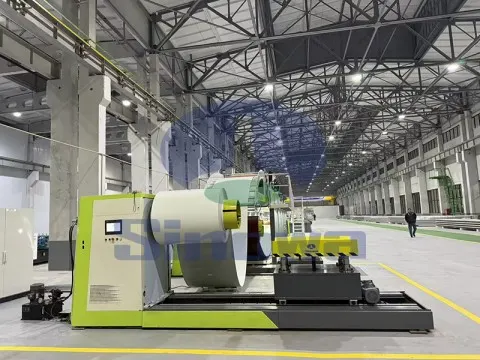
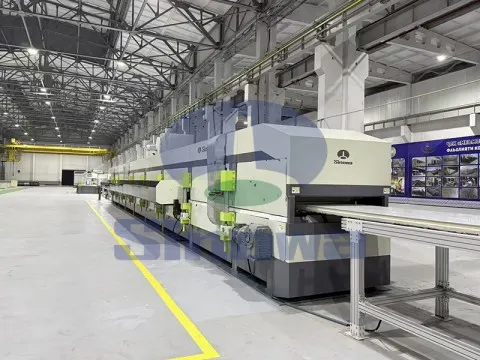
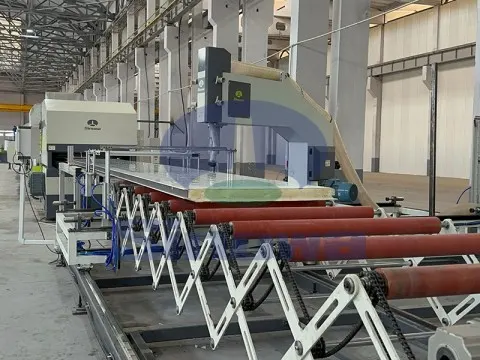
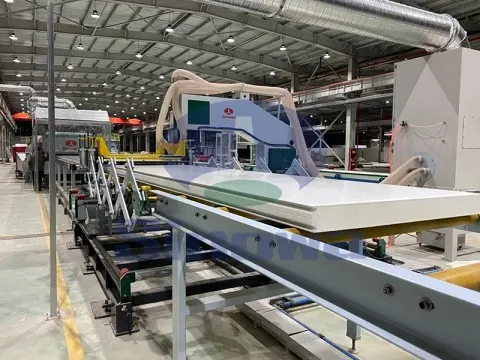
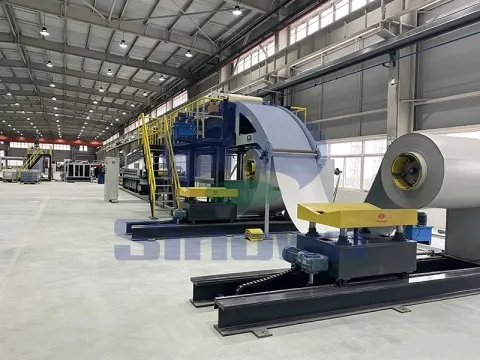
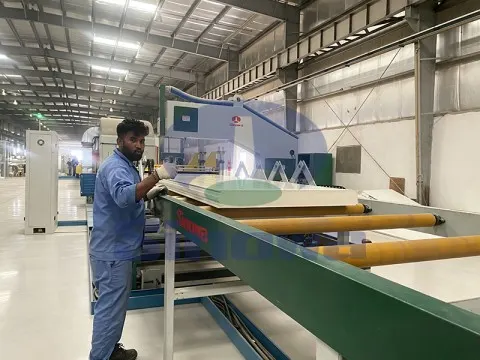
Gallery of Polyurethane Sandwich Panel Production Line
Tags: polyurethane sandwich panel production line, polyurethane sandwich panel production line manufacturer, polyurethane sandwich panel production line supplier, china polyurethane sandwich panel production line, polyurethane sandwich panel production line for sale
-
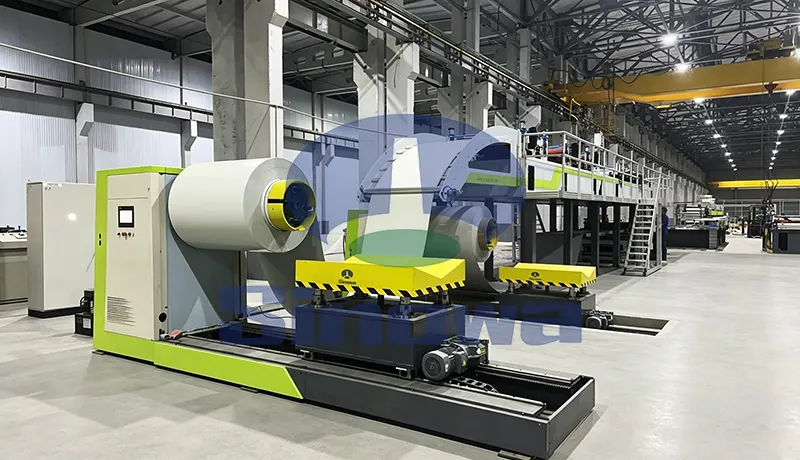
The PU sandwich panel line is a core production setup for making high-performance building insulation panels. This professional PU sandwich panel production line features automated operation to streamline the whole manufacturing process efficiently. Every component of the polyurethane sandwich panel line is precisely calibrated to ensure consistent panel thickness and structural stability. A well-maintained polyurethane sandwich panel production line can greatly boost production efficiency while reducing manual operation errors. The continuous PU sandwich panel line adapts to diverse production demands for different panel sizes and surface styles. With advanced molding technology, the PIR sandwich panel line produces panels with excellent heat preservation and sound insulation properties. Stable running of the PIR sandwich panel production line guarantees reliable product quality for various construction and industrial application scenarios.
-
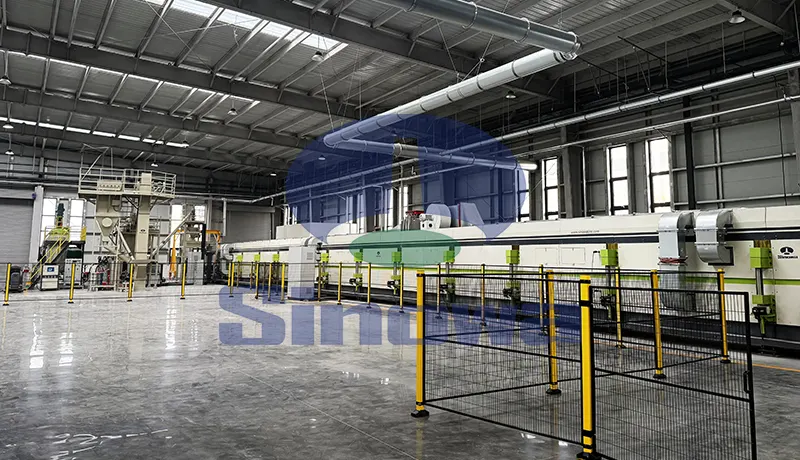
A phenolic insulation board production line serves as the core equipment for manufacturing high-performance thermal insulation building materials. This phenolic insulation panel production line integrates material mixing, foaming, molding and cutting processes to ensure continuous and stable production efficiency. Every operational link of the insulation board production line is precisely calibrated to produce uniform and durable insulation boards. The automated design of the insulation panel production line effectively reduces manual intervention and improves product consistency. Proper maintenance of the phenolic board production line can greatly extend its service life and maintain steady production output. With optimized structural design, the phenolic panel production line adapts to various production demands and delivers high-quality finished products for thermal insulation engineering applications.
-
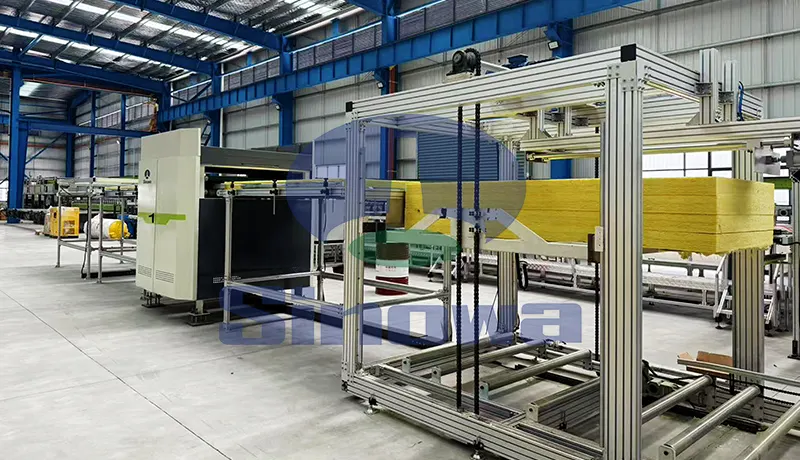
A professional rockwool sandwich panel line serves as the core equipment for producing high-performance building panels. This rockwool sandwich panel production line integrates feeding, laminating and forming processes to ensure stable and efficient production. The well-structured rock wool sandwich panel line can process raw rockwool materials into panels with excellent thermal and sound insulation properties. Operators can adjust the running parameters of the rock wool sandwich panel production line to manufacture panels of different thicknesses and specifications. The automated design of the mineral wool sandwich panel production line greatly reduces manual operation errors and improves product consistency. Regular maintenance of the mineral wool sandwich panel line is essential to sustain long-term operational efficiency and guarantee qualified finished panels for diverse construction applications.