
Sandwich panel machinery features a variable service lifespan mainly shaped by operational habits, maintenance routines and working conditions. With standardized use and systematic upkeep, the equipment can serve decades, while improper operation greatly shortens its functional life.
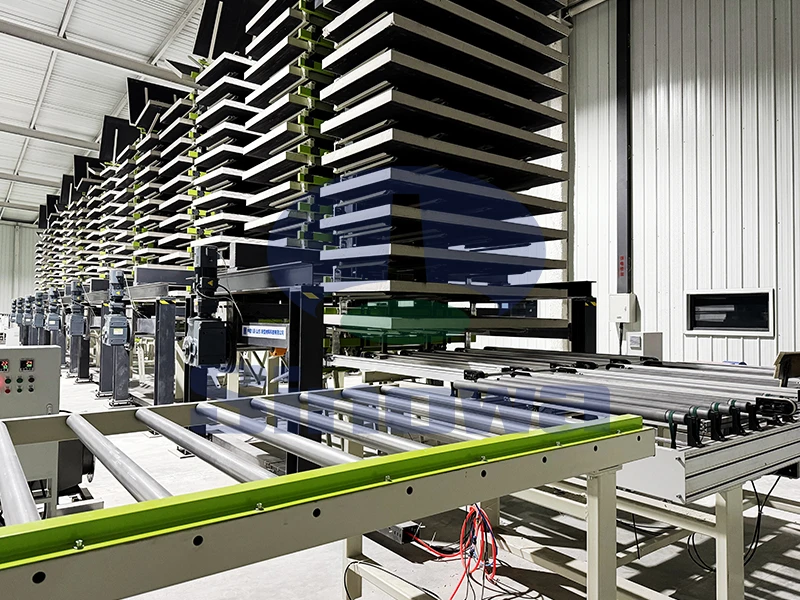
The baseline lifespan of standard sandwich panel production machinery typically ranges from 15 to 20 years under conventional daily operation modes. This fundamental longevity stems from the robust mechanical structure and high-strength core components adopted in equipment manufacturing, which are engineered to withstand long-term continuous production loads. Most frame structures, fixed transmission parts and integral mechanical frameworks show minimal aging and wear even after years of use, forming the core foundation of long service life. However, this ideal lifespan is only achievable under stable operating environments and standardized daily use. Frequent overloading, sudden start-stop operations and irregular production rhythms will gradually damage the mechanical balance of the equipment, leading to premature component aging and reducing the overall usable life span by several years.
Daily operational practices stand as one of the most critical factors affecting the actual lifespan of sandwich panel machinery. Continuous overproduction beyond the equipment’s rated load is the primary cause of accelerated aging, as excessive operational pressure increases friction and load on transmission systems, pressing components and power structures. In addition, non-standard operating behaviors such as violent start-stop, random parameter adjustment and unskilled manual operation will cause subtle mechanical deviations and sensor calibration errors over time. These minor problems do not trigger obvious faults in the short term but accumulate continuously, resulting in reduced operating accuracy, increased component wear and shortened effective service life. Adhering to rated operating parameters and standardized operation procedures can effectively maintain the equipment’s mechanical stability and extend its service cycle.
Routine maintenance quality directly determines the actual service cycle of sandwich panel machinery and bridges the gap between theoretical and actual lifespan. Daily cleaning is the most basic yet essential maintenance step, as residual adhesives, material debris and industrial dust will adhere to rollers, cutting tools and conveying tracks during production. Long-term accumulation of these attachments increases mechanical friction, causes transmission blockage and corrodes metal components, gradually damaging equipment performance. Timely cleaning after daily production can eliminate these hidden risks. Meanwhile, regular lubrication of bearings, chains and gear transmission parts reduces mechanical wear caused by dry friction, ensuring smooth equipment operation and slowing down component aging speed effectively.
Periodic in-depth maintenance plays an irreplaceable role in prolonging the lifespan of sandwich panel machinery, focusing on systematic inspection and replacement of vulnerable parts. Wearable components including cutting blades, pressing rollers and filter elements have limited service cycles and will gradually lose working accuracy with long-term operation. Timely inspection and replacement of severely worn parts can avoid secondary damage to the whole equipment caused by component failure. Besides, regular replacement of hydraulic oil and cleaning of hydraulic system filters prevent impurity accumulation that leads to pipeline blockage and power attenuation. Regular calibration of temperature and pressure sensors also ensures stable equipment operation, avoiding operational deviations caused by sensor failure that affect overall mechanical performance.
Working environment conditions exert a subtle but lasting influence on the aging rate of sandwich panel machinery. The equipment is sensitive to environmental humidity, dust concentration and temperature changes. Long-term operation in humid environments will cause oxidation and rust on metal structural parts and short-circuit faults in electrical control components, greatly reducing the service life of precision electronic parts. Excessively dusty working scenes lead to dust accumulation in electrical boxes, sensor interfaces and mechanical gaps, affecting signal transmission accuracy and increasing operational resistance. Maintaining a dry, clean and well-ventilated production environment can effectively reduce environmental corrosion and component failure, keeping the equipment in a stable working state for a long time.
Component quality and equipment structural design are the inherent determinants of sandwich panel machinery’s lifespan. Equipment built with high-quality raw materials and precise manufacturing processes features higher structural rigidity and component durability. High-strength alloy structural parts and precision processed transmission components can resist long-term operational wear and mechanical vibration, maintaining stable performance for decades. In contrast, equipment with simplified structural design and ordinary material configuration has poor pressure resistance and wear resistance, with vulnerable parts aging rapidly and overall failure rate rising significantly. Reasonable structural design also facilitates daily maintenance and parts replacement, reducing equipment loss caused by inconvenient maintenance and indirectly extending the overall service life.
Long-term operational load intensity directly affects the aging progress of sandwich panel machinery. Equipment operating under 8-hour daily stable working conditions maintains the slowest aging speed and can reach the upper limit of the standard lifespan. For production lines running 12 hours or even continuous overtime operation every day, all components are in long-term high-load working states, with friction loss and mechanical fatigue accumulating rapidly. The service life of core transmission parts and power systems will be significantly shortened under continuous high-intensity operation. Even with adequate maintenance, long-term overload production will accelerate equipment aging, making the actual service life far lower than the theoretical design value.
Timely fault handling and daily inspection habits help avoid shortened lifespan caused by minor fault accumulation. In actual production, many equipment aging problems stem from neglected small faults, such as loose connecting bolts, abnormal transmission noise and slight hydraulic pressure instability. These minor abnormalities will evolve into major mechanical failures if not handled in time, causing irreversible damage to equipment structures and core components. Establishing a regular inspection mechanism to check component tightness, operational flexibility and system stability can discover and eliminate hidden dangers in the early stage. Timely troubleshooting and debugging ensure the equipment always operates in a normal state, avoiding accelerated aging caused by faulty operation.
Equipment aging characteristics vary in different operational stages, which helps judge residual service life and carry out targeted maintenance. In the first five years of use, the equipment is in the stable running period with low failure rate and minimal component wear, only requiring conventional daily maintenance. From five to fifteen years, vulnerable parts age gradually, and regular replacement and system calibration are needed to maintain operational stability. After fifteen years of use, core components begin to show aging signs such as reduced power output and decreased operating accuracy. Strengthened comprehensive maintenance and regular performance testing are required to extend the equipment’s usable time before overall performance degradation.
Scientific long-term usage management is the key to maximizing the full lifespan of sandwich panel machinery. Formulating standardized operation specifications, regular maintenance plans and daily inspection systems can form a complete equipment protection mechanism. Reasonable arrangement of production tasks to avoid long-term overload operation and frequent equipment start-stop can reduce unnecessary mechanical loss. Regular professional training for operators ensures standardized operation and correct maintenance methods, avoiding equipment damage caused by human error. Systematic and refined management can fully tap the service potential of the equipment, enable it to maintain stable production performance for a long time, and realize the maximum service life value of sandwich panel machinery.