Why Does The Rock Wool Panel Production Line Stop Intermittently?
Publication Date: Sep 24, 2026
Intermittent shutdowns of rock wool panel production lines are common operational troubles that hinder production efficiency. These irregular halts stem from mechanical, electrical, material and environmental factors, and analyzing each cause helps solve and prevent the problem effectively.
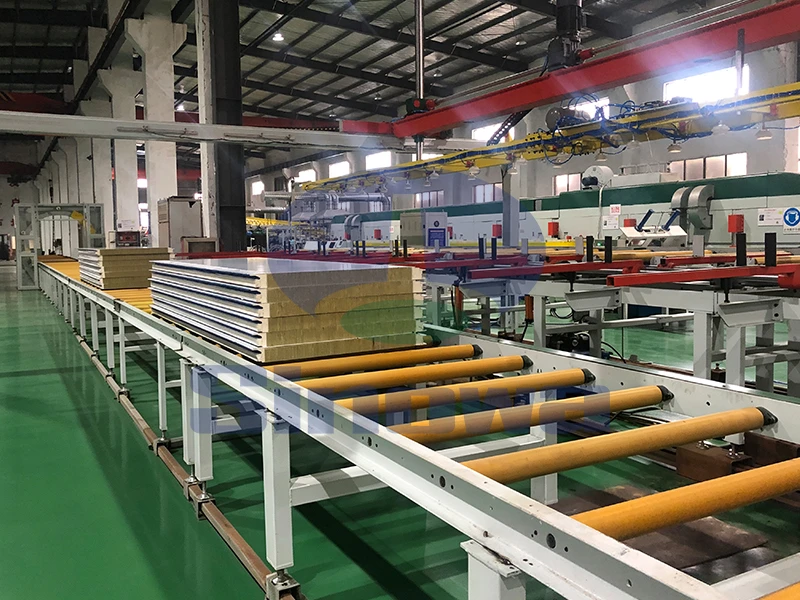
Mechanical component failure and abnormal operation are one of the most primary causes of intermittent production line shutdowns in rock wool panel manufacturing. The production process involves multiple linked mechanical devices, including feeding rollers, spreading machines, curing ovens and cutting equipment, all of which operate continuously under long-term high-load conditions. Over time, wearable parts such as bearings, gears and conveyor belts gradually suffer from abrasion, loosening or fatigue deformation. When these minor mechanical anomalies occur, the line will trigger automatic protection mechanisms to pause operation temporarily, avoiding further equipment damage. In addition, accumulated dust, rock wool residues and debris inside mechanical gaps can cause jitters and stuck movements of transmission parts. These subtle blockages do not lead to permanent shutdowns but cause frequent intermittent stops as the equipment struggles to maintain stable operating parameters. Many operators tend to ignore minor mechanical abnormalities in daily production, which gradually evolves into recurring intermittent shutdown issues that affect continuous production rhythm.
Electrical system instability and circuit faults are key hidden dangers leading to intermittent halts of rock wool sandwich panel production lines. The entire production line relies on precise electrical control systems to coordinate the operation of each equipment unit, and slight fluctuations in electrical parameters will trigger system self-protection. Voltage fluctuation is a typical problem; unstable grid voltage or insufficient power supply capacity will cause the control system to receive abnormal signal values, resulting in temporary shutdown and restart of the production line. Loose wiring terminals, aging circuit lines and oxidized contact points in the electrical cabinet can also lead to intermittent poor circuit contact. In high-temperature and dusty production workshops, electrical components such as sensors, inverters and controllers are prone to performance degradation. These components may work normally for a short time and then send wrong feedback signals due to overheating or dust coverage, forcing the production line to stop intermittently. Moreover, improper parameter setting of electrical control programs will cause mismatched operation logic of front and rear equipment, triggering frequent pause and start cycles in the production process.
Unstable raw material quality and abnormal feeding conditions greatly affect the continuous operation of rock wool sandwich panel machines and cause intermittent shutdowns. Rock wool panel production requires stable raw material status including rock wool fibers, adhesive solutions and auxiliary materials. If the fiber raw materials have uneven thickness, excessive agglomeration or inconsistent humidity, the feeding and spreading process will be blocked. Massive fiber agglomerates cannot pass through the feeding equipment smoothly, leading to temporary material blockage, and the production line will automatically stop to eliminate hidden dangers. In terms of adhesives, inconsistent viscosity and uneven mixing concentration will cause abnormal bonding and forming of rock wool layers, resulting in unqualified semi-finished products during production. The detection system will identify abnormal product status and suspend the production process intermittently. Besides, irregular manual feeding, such as discontinuous feeding speed and uneven feeding volume, will disrupt the stable production rhythm of the assembly line, induce equipment adaptive pause, and form frequent intermittent shutdown phenomena in the production process.
Abnormal operation and performance degradation of detection sensors are easily overlooked causes of intermittent shutdowns of rock wool production lines. Modern rock wool panel production lines are equipped with various precision sensors to monitor equipment operating status, product thickness, temperature and production speed in real time. These sensors are the core basis for the control system to adjust operating parameters. After long-term operation in high-temperature, dusty and humid workshop environments, sensor probes are easy to be covered by rock wool dust and sticky sundries, which reduces their detection accuracy. When the detected data deviates from the normal set range temporarily, the system will misjudge the production status and trigger emergency pause. In addition, aging sensor chips and unstable signal transmission will cause intermittent data loss and signal delay. The production line will pause repeatedly to wait for effective detection signals, resulting in discontinuous production. Regular sensor calibration and cleaning are often neglected in daily maintenance, making this problem occur repeatedly and affecting production stability.
Curing oven temperature and ventilation system disorders are important factors leading to intermittent shutdowns in rock wool panel production. The curing oven is the core equipment for rock wool panel forming, and stable temperature and ventilation conditions are essential for continuous production. If the oven heating components work abnormally, such as uneven heating power and local temperature overrun or low temperature, the internal curing environment will be disordered. The temperature detection system will feed back abnormal data, and the production line will pause intermittently to adjust heating parameters. Meanwhile, the ventilation system of the curing oven undertakes the task of exhausting moisture and waste gas. Blocked ventilation pipes, faulty exhaust fans and unsmooth air circulation will lead to excessive internal humidity and accumulated waste gas in the oven, affecting the curing quality of rock wool panels. To avoid unqualified products, the system will automatically suspend the production process for ventilation and heat dissipation adjustment. Frequent fluctuations of oven temperature and ventilation efficiency will directly cause irregular intermittent shutdowns of the entire production line.
Lack of standardized daily maintenance leads to accumulated equipment faults and intermittent shutdowns of rock wool panel production lines. Many production workshops adopt a passive maintenance mode, only repairing equipment after obvious faults occur, rather than conducting regular inspection and maintenance. Long-term operation without lubrication of mechanical moving parts will increase operational friction, cause equipment jitter and abnormal resistance, and trigger temporary shutdown protection. Unclean equipment surface and internal residual materials will accumulate day by day, affecting the operation precision of transmission and forming structures. In terms of electrical maintenance, failure to regularly clean electrical cabinets and check line aging will lead to increasing potential circuit faults. Minor faults that could be eliminated through daily maintenance continue to accumulate, forming intermittent and recurrent equipment abnormalities. Irregular maintenance cycles and incomplete inspection items make small problems evolve into frequent shutdown failures, seriously reducing production efficiency and increasing subsequent maintenance costs.
Improper manual operation and human error are common artificial causes of intermittent production line shutdowns. Although modern rock wool panel production lines have a high degree of automation, manual intervention is still required in feeding, parameter adjustment, equipment inspection and finished product collection. New or unskilled operators may make mistakes in parameter setting, such as inappropriate production speed, curing temperature and feeding ratio, which will cause mismatched equipment operation and trigger automatic pause of the production line. In the production process, improper manual feeding and accidental touch of control buttons will lead to sudden production pause. In addition, some operators ignore the early warning signals of equipment abnormalities and continue to run the line with minor faults, which will cause the equipment to operate in an unstable state. The system will continuously trigger self-protection pauses, resulting in intermittent shutdowns. Irregular operating procedures and insufficient post training are the fundamental reasons for frequent human-induced intermittent shutdown problems.
Workshop environmental changes and adverse working conditions will induce intermittent shutdowns of rock wool panel production lines. The normal operation of production equipment requires a stable working environment, and sudden changes in ambient temperature, humidity and dust concentration will affect equipment performance. In high-temperature seasons, the workshop temperature is too high, which easily causes overheating of electrical components and mechanical equipment, reducing the operating efficiency of the equipment and triggering overheating protection shutdown. In humid environments, the internal circuits of electrical equipment are prone to moisture and leakage, leading to intermittent circuit failure and production pause. The rock wool production process will produce a large amount of fine fiber dust. If the workshop dust removal system operates inefficiently, excessive dust will float in the air and adhere to equipment precision parts, sensor probes and electrical interfaces, causing abnormal equipment operation. Unstable environmental conditions make the production line unable to maintain a continuous and stable operating state, resulting in irregular intermittent shutdown phenomena.
Transmission system operation anomalies are crucial mechanical factors causing intermittent shutdowns of rock wool panel production lines. The transmission system composed of conveyor chains, rollers and driving motors undertakes the task of material transmission and equipment linkage operation. Long-term high-load operation will cause slight elongation and loosening of the conveyor chain belt, leading to unstable transmission speed and occasional slipping. When slipping occurs, the material transmission speed does not match the operating speed of subsequent forming and cutting equipment, and the production line will pause for adaptive adjustment. In addition, abnormal noise and jitter of the driving motor caused by aging bearings and unstable operating current will lead to unbalanced transmission power output. The inconsistent operating speed of each equipment unit will trigger the system’s synchronous protection mechanism, resulting in intermittent shutdowns. Serious wear of transmission parts and lack of regular tension adjustment will make this problem more frequent, affecting the continuous and stable operation of the entire production line.
Reasonable fault elimination and daily optimization measures can effectively solve and prevent intermittent shutdowns of rock wool panel production lines. Enterprises can establish a complete daily maintenance system to conduct regular cleaning, lubrication, calibration and inspection of mechanical, electrical and detection equipment, eliminating minor faults in advance. It is necessary to strictly control raw material quality, standardize feeding operations, and ensure stable and consistent raw material status to avoid production blockages. Strengthening operator professional training to standardize operating procedures and reduce human errors can effectively reduce artificial shutdown failures. Meanwhile, optimize the workshop production environment, improve dust removal, ventilation and temperature control systems, and provide stable working conditions for equipment. Timely monitoring and adjustment of equipment operating parameters can ensure the synchronous and stable operation of all production links, fundamentally reducing the frequency of intermittent shutdowns and improving overall production efficiency.
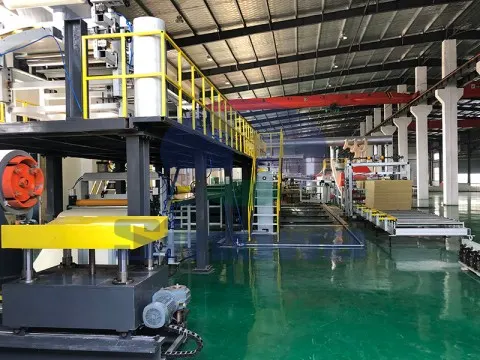
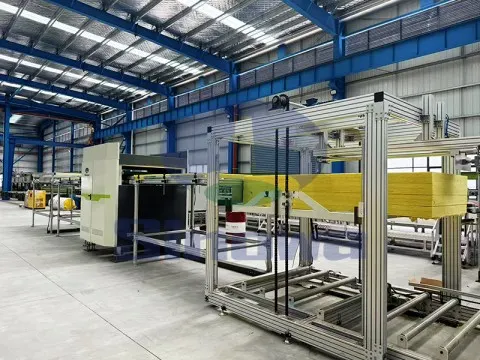
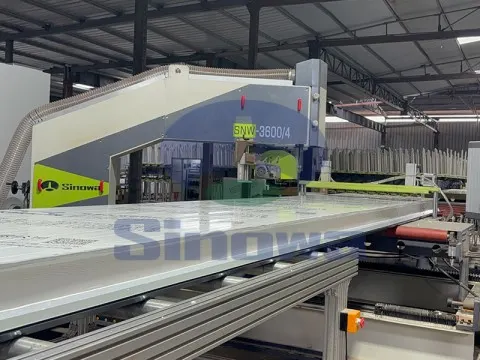
Gallery of Rock Wool Panel Production Line
Tags: rock wool panel production line, rock wool panel production line manufacturer, rock wool panel production line supplier, china rock wool panel production line, rock wool panel production line for sale
-
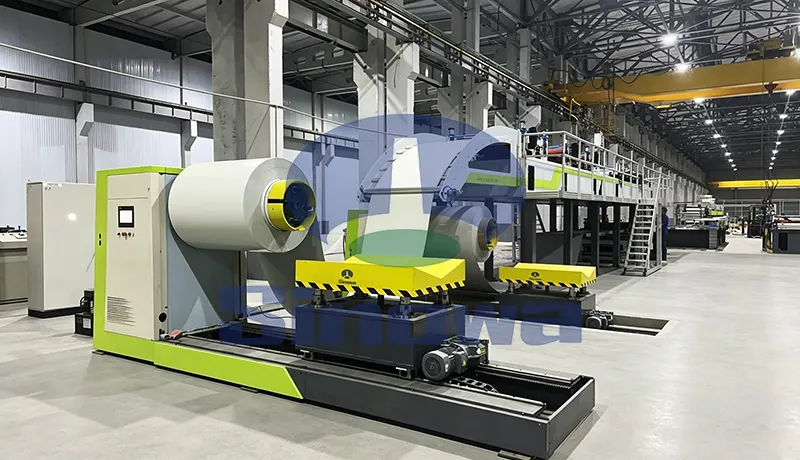
The PU sandwich panel line is a core production setup for making high-performance building insulation panels. This professional PU sandwich panel production line features automated operation to streamline the whole manufacturing process efficiently. Every component of the polyurethane sandwich panel line is precisely calibrated to ensure consistent panel thickness and structural stability. A well-maintained polyurethane sandwich panel production line can greatly boost production efficiency while reducing manual operation errors. The continuous PU sandwich panel line adapts to diverse production demands for different panel sizes and surface styles. With advanced molding technology, the PIR sandwich panel line produces panels with excellent heat preservation and sound insulation properties. Stable running of the PIR sandwich panel production line guarantees reliable product quality for various construction and industrial application scenarios.
-
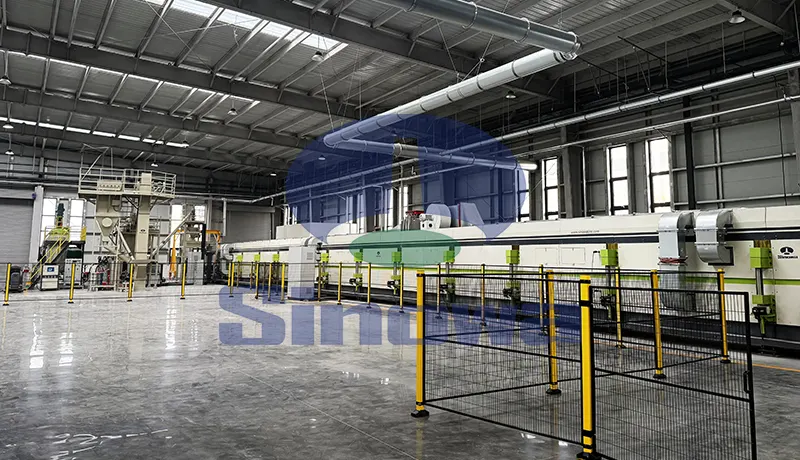
A phenolic insulation board production line serves as the core equipment for manufacturing high-performance thermal insulation building materials. This phenolic insulation panel production line integrates material mixing, foaming, molding and cutting processes to ensure continuous and stable production efficiency. Every operational link of the insulation board production line is precisely calibrated to produce uniform and durable insulation boards. The automated design of the insulation panel production line effectively reduces manual intervention and improves product consistency. Proper maintenance of the phenolic board production line can greatly extend its service life and maintain steady production output. With optimized structural design, the phenolic panel production line adapts to various production demands and delivers high-quality finished products for thermal insulation engineering applications.
-
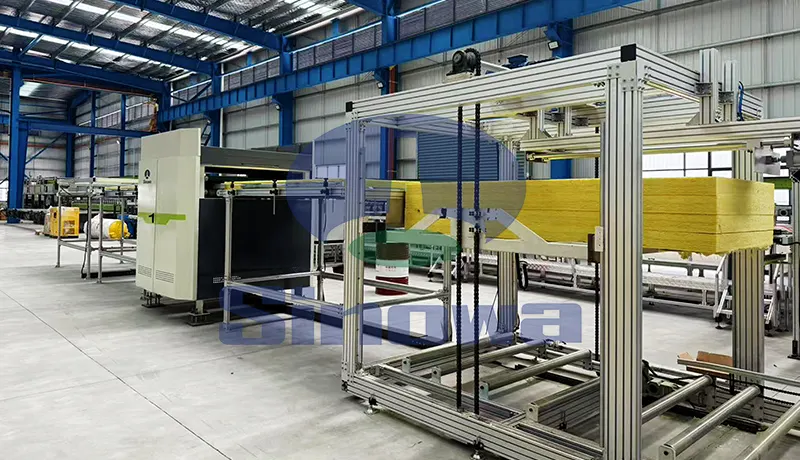
A professional rockwool sandwich panel line serves as the core equipment for producing high-performance building panels. This rockwool sandwich panel production line integrates feeding, laminating and forming processes to ensure stable and efficient production. The well-structured rock wool sandwich panel line can process raw rockwool materials into panels with excellent thermal and sound insulation properties. Operators can adjust the running parameters of the rock wool sandwich panel production line to manufacture panels of different thicknesses and specifications. The automated design of the mineral wool sandwich panel production line greatly reduces manual operation errors and improves product consistency. Regular maintenance of the mineral wool sandwich panel line is essential to sustain long-term operational efficiency and guarantee qualified finished panels for diverse construction applications.