How To Adjust The Pressing Pressure Of Mineral Wool Sandwich Panel Production Line?
Publication Date: Oct 7, 2026
Proper pressing pressure adjustment is core to high-quality mineral wool sandwich panel production, avoiding delamination, core deformation and uneven thickness.
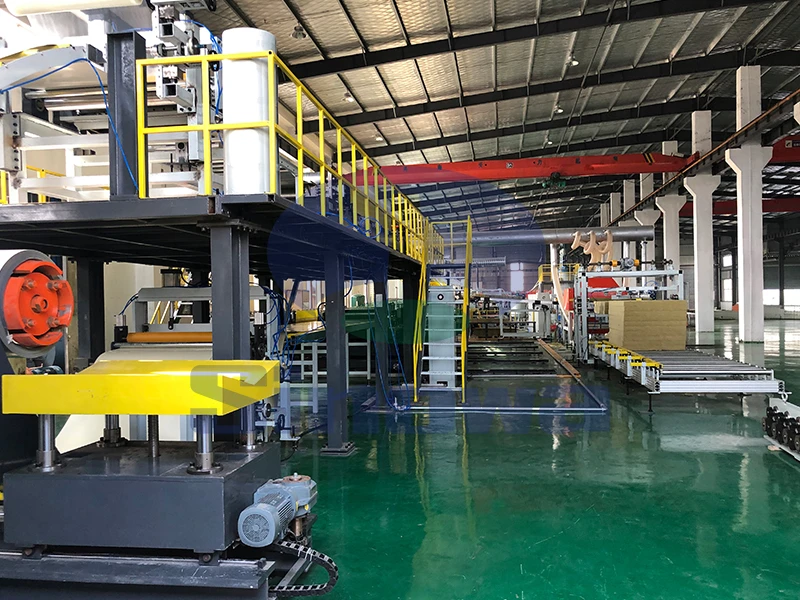
Pressing pressure serves as the most fundamental process parameter that determines the overall quality and structural stability of mineral wool sandwich panels during continuous production. Unlike rigid core materials used in other composite panels, mineral wool features a porous and flexible fiber structure, which is highly sensitive to external mechanical pressure changes. Insufficient pressing pressure directly leads to incomplete bonding between the outer metal sheet and the internal mineral wool core, resulting in loose composite layers, easy delamination in subsequent use, and inconsistent overall panel thickness. In contrast, excessive pressure will over-compress the mineral wool fiber pores, destroy the original thermal insulation and sound absorption structure of the core material, and even cause permanent fiber fracture, greatly reducing the functional performance of finished panels. Therefore, scientific and precise pressure adjustment is not only a key step to standardize panel forming but also an essential guarantee to maintain the inherent physical properties of mineral wool materials. Before formal pressure adjustment, operators need to fully understand the structural characteristics of the production line’s pressing system, including the operating principle of pressure rollers, the response mode of the pressure control unit, and the linkage relationship between pressing pressure and conveyor speed, so as to lay a foundation for targeted parameter debugging.
The first step in adjusting pressing pressure is to conduct a comprehensive pre-inspection of the entire pressing system to eliminate mechanical faults that may affect pressure accuracy. Long-term continuous operation of the production line may cause subtle problems such as loose pressure roller fasteners, inconsistent roller surface flatness, and delayed response of servo pressure components, all of which will lead to uneven pressure output and unstable pressing effects. Operators need to first check the upper and lower pressure roller groups to ensure that there is no foreign material adhesion on the roller surface, no serious wear and no eccentric rotation during operation. Then, inspect the pressure transmission and control components, including servo motors and pressure sensing modules, to confirm that all parts are in normal working condition and can transmit pressure signals and execute adjustment instructions in real time. In addition, it is necessary to calibrate the pressure detection system to ensure that the real-time pressure data displayed on the control terminal is consistent with the actual pressure acting on the panel. Any minor mechanical deviation or sensor error must be corrected before formal pressure parameter setting, as hidden equipment faults will make subsequent pressure adjustment ineffective and cause continuous quality fluctuations in production.
Adjusting basic pressure parameters according to mineral wool core material specifications is the core link of pressure debugging, as different mineral wool densities and thicknesses require matched pressing force. Low-density mineral wool has a loose fiber structure and low compression resistance, so it is necessary to set relatively low basic pressing pressure. Excess pressure on low-density materials will quickly squeeze out the internal gaps of the fibers, causing irreversible shrinkage of the core layer, resulting in thinner finished panels than the standard size and loss of thermal insulation performance. For high-density mineral wool with compact fiber arrangement, higher pressing pressure is required to fully fit the core material with the metal sheet and squeeze out the tiny gaps between the bonding layers, so as to realize tight composite forming. Meanwhile, the original thickness of the mineral wool blank also affects pressure setting: thicker blanks need graded pressure adjustment to achieve gradual compression, avoiding one-time high-pressure impact that damages the fiber structure. In actual operation, operators can set the initial pressure value based on the core material characteristics, and reserve a fine-tuning range to adjust parameters in combination with the actual pressing state of the panel.
Matching pressing pressure with production line operating speed is crucial to ensure consistent pressing quality in continuous production. The mineral wool sandwich panel production line operates in a continuous feeding and pressing mode, and the running speed of the conveyor belt directly determines the contact time between the panel and the pressure roller. When the production speed is increased, the instantaneous contact time of the pressing process is shortened, so the pressing pressure needs to be appropriately increased to ensure that the composite layer can obtain sufficient pressing force in a short time to complete effective bonding. If the pressure remains unchanged while the speed rises, the panel will suffer from insufficient pressing, resulting in local loose bonding and uneven surface flatness. On the contrary, when the production speed is reduced, excessive pressure will act on the unit area of the panel for a long time, leading to over-compression of the mineral wool core and deformed panel edges. Operators need to establish a dynamic matching logic between speed and pressure, adjust pressure parameters synchronously according to daily production speed changes, and maintain a stable pressure action state throughout the continuous production process to ensure uniform quality of each batch of panels.
Graded pressure adjustment technology is an effective method to avoid panel quality defects and optimize pressing forming effects. Many quality problems in production stem from one-time full-pressure pressing, which causes sudden extrusion of loose mineral wool fibers, resulting in internal fiber disorder and local compression inconsistency. The graded adjustment method divides the pressing process into preliminary pre-pressing, intermediate constant-pressure forming and final fine-pressure shaping stages with different pressure values. The pre-pressing stage adopts low pressure to gently compress the loose mineral wool blank, discharge redundant air inside the fiber gaps, and preliminarily fit the core material with the metal sheet to avoid material deviation in subsequent pressing. The intermediate stage uses medium constant pressure to complete the main composite forming process, stabilize the overall thickness of the panel, and ensure uniform bonding of all layers. The final fine-pressure stage applies slightly adjusted pressure to trim the panel surface, eliminate local bulges and depressions, and improve the overall flatness of finished products. This segmented pressure control mode protects the fiber structure integrity of mineral wool and significantly improves the yield of finished panels.
Real-time fine-tuning of pressure based on panel on-site forming quality is an indispensable part of accurate adjustment. After setting the initial pressure parameters, operators need to conduct continuous sampling inspection of the pressed semi-finished panels to observe the forming state and quality details. If the surface of the panel has obvious warping, the bonding interface has gaps, or the edge layers are easy to separate, it indicates that the overall pressing pressure is insufficient, and the pressure value needs to be increased appropriately in a small range. If the mineral wool core of the sampled panel is severely compacted, the thickness is lower than the standard value, or the panel surface has indentations caused by excessive pressure, it is necessary to reduce the pressing pressure in time. In addition, attention should be paid to local quality differences of the panel: uneven pressure output of individual pressure rollers will lead to inconsistent tightness on both sides of the panel, and operators can fine-tune the pressure of a single roller group to correct local forming deviations. Continuous on-site detection and dynamic fine-tuning can eliminate parameter errors caused by material differences and equipment slight changes.
Temperature and glue curing status also require coordinated pressure adjustment to ensure optimal composite quality. The bonding effect between mineral wool core and metal sheet depends on the curing degree of the adhesive layer, and the pressing pressure needs to match the curing progress of the adhesive. In the low-temperature production environment, the curing speed of the adhesive slows down, requiring appropriately extended pressure action time and slightly increased pressing pressure to ensure that the adhesive can fully spread and bond between layers before complete curing. In a high-temperature environment, the adhesive cures rapidly, so the pressing pressure should be reduced moderately to avoid squeezing out the effective adhesive layer due to excessive pressure, which causes weak bonding. Meanwhile, if the adhesive coating amount is slightly insufficient, stable medium pressure can be used to promote the uniform diffusion of the remaining adhesive; if the coating is excessive, appropriately reduced pressure can prevent adhesive overflow and panel surface pollution. The coordinated adjustment of pressure and curing conditions realizes the perfect combination of mechanical pressing forming and chemical bonding curing.
Pressure balance adjustment of the left and right sides of the pressure roller group ensures the overall dimensional consistency of the panel. As the production line runs for a long time, the wear degree of the left and right ends of the pressure roller and the sensitivity of the pressure control components may produce deviations, resulting in inconsistent pressure output on both sides of the roller. This imbalance will cause one side of the pressed panel to be tightly bonded with standard thickness, while the other side is loose and thin, leading to overall warping and dimensional deviation of the finished panel. Operators need to regularly detect the pressure balance of the pressure roller group, use the equipment’s fine-tuning function to adjust the pressure output of the left and right servo modules, and keep the pressure difference between the two ends within a reasonable range. During the adjustment process, multiple groups of comparative tests should be carried out, and the pressure balance state should be confirmed by sampling the thickness and bonding tightness of the left and right sides of the panel. Maintaining the left-right pressure balance of the pressing system is the key to producing flat and dimensionally standardized panels in batch production.
Standardized parameter recording and batch adjustment optimization help form mature pressure adjustment schemes for long-term stable production. After each pressure adjustment and debugging, operators need to record all key parameters in detail, including mineral wool core specifications, production line operating speed, ambient temperature, initial pressure value, fine-tuning amplitude and final qualified pressure parameters. These recorded data can form a complete production parameter database, providing direct reference for subsequent production of the same type of panels. When replacing different batches of mineral wool raw materials or adjusting production specifications, operators can quickly call the historical optimal parameters and make targeted fine-tuning according to subtle material differences, avoiding repeated blind debugging and greatly improving production efficiency. At the same time, by summarizing the parameter changes of multiple batches of production, the optimal pressure matching range for different working conditions can be summarized, which continuously optimizes the production process and reduces the probability of quality defects caused by improper pressure setting.
Daily maintenance and regular calibration of the pressing system ensure the long-term stability of pressure adjustment accuracy. Pressure adjustment accuracy is not only related to parameter setting, but also depends on the stable operation state of the entire pressing equipment. Daily maintenance work includes cleaning the pressure roller surface regularly to prevent material residue from affecting pressure uniformity, checking the tightness of transmission parts, and lubricating the moving components to ensure flexible pressure adjustment response. Regular professional calibration of the pressure sensing system and servo control unit is also required to eliminate parameter drift caused by long-term operation. For the aging parts of the pressure control system, timely inspection and replacement should be carried out to avoid delayed pressure response and inaccurate output. Perfect daily maintenance and regular calibration can maintain the long-term stability of the pressing system, ensure that each pressure adjustment can accurately match the production demand, and finally realize the continuous and stable output of high-quality mineral wool sandwich panels.
Gallery of Mineral Wool Sandwich Panel Production Line
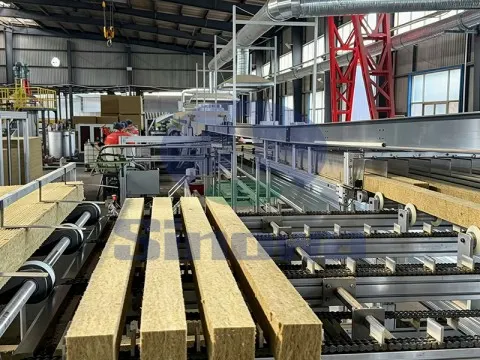
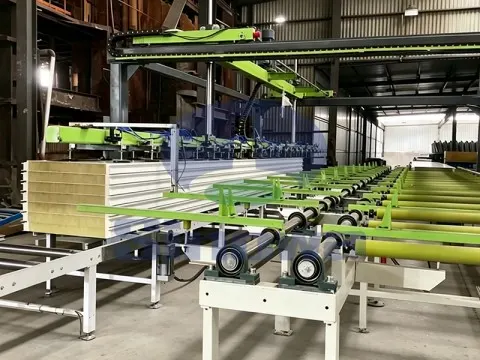
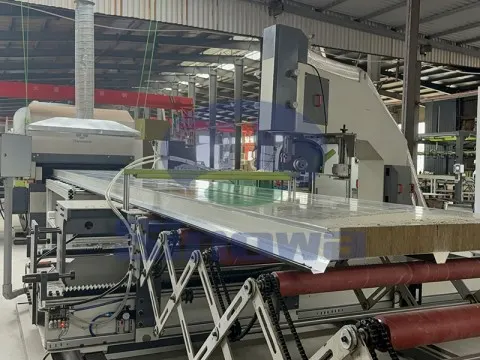
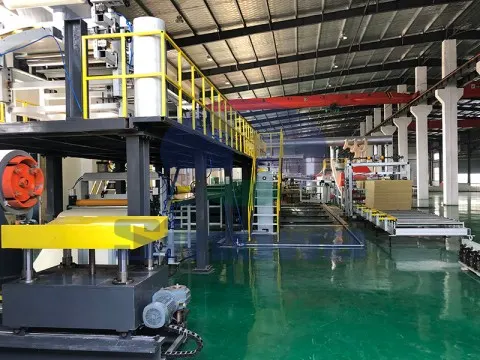
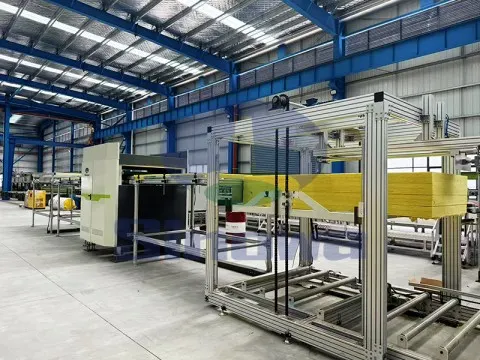
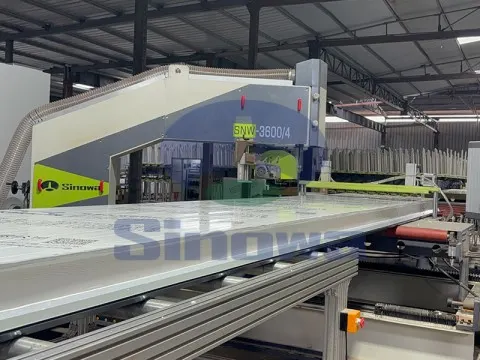
Tags: mineral wool sandwich panel production line, mineral wool sandwich panel production line manufacturer, mineral wool sandwich panel production line supplier, china mineral wool sandwich panel production line, mineral wool sandwich panel production line for sale
-
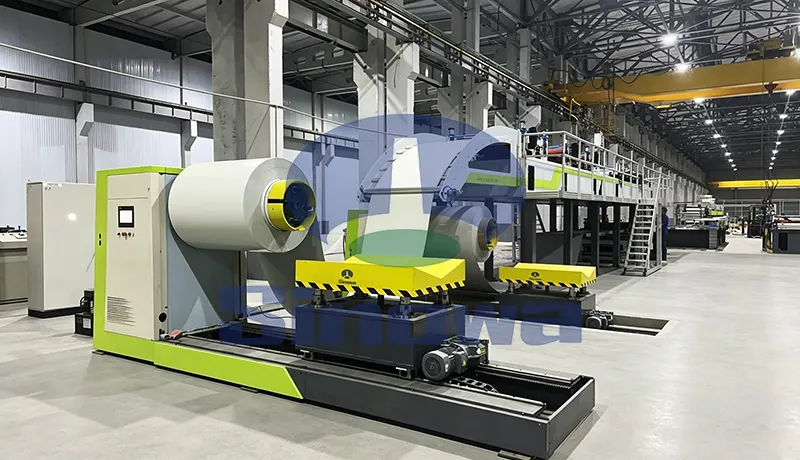
The PU sandwich panel line is a core production setup for making high-performance building insulation panels. This professional PU sandwich panel production line features automated operation to streamline the whole manufacturing process efficiently. Every component of the polyurethane sandwich panel line is precisely calibrated to ensure consistent panel thickness and structural stability. A well-maintained polyurethane sandwich panel production line can greatly boost production efficiency while reducing manual operation errors. The continuous PU sandwich panel line adapts to diverse production demands for different panel sizes and surface styles. With advanced molding technology, the PIR sandwich panel line produces panels with excellent heat preservation and sound insulation properties. Stable running of the PIR sandwich panel production line guarantees reliable product quality for various construction and industrial application scenarios.
-
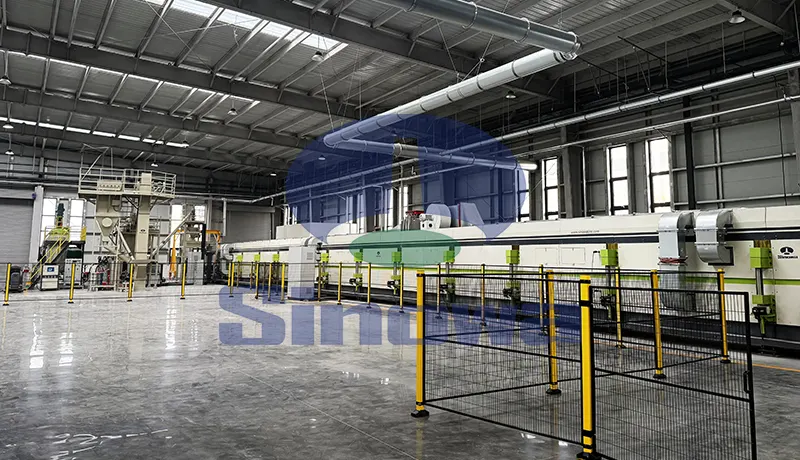
A phenolic insulation board production line serves as the core equipment for manufacturing high-performance thermal insulation building materials. This phenolic insulation panel production line integrates material mixing, foaming, molding and cutting processes to ensure continuous and stable production efficiency. Every operational link of the insulation board production line is precisely calibrated to produce uniform and durable insulation boards. The automated design of the insulation panel production line effectively reduces manual intervention and improves product consistency. Proper maintenance of the phenolic board production line can greatly extend its service life and maintain steady production output. With optimized structural design, the phenolic panel production line adapts to various production demands and delivers high-quality finished products for thermal insulation engineering applications.
-
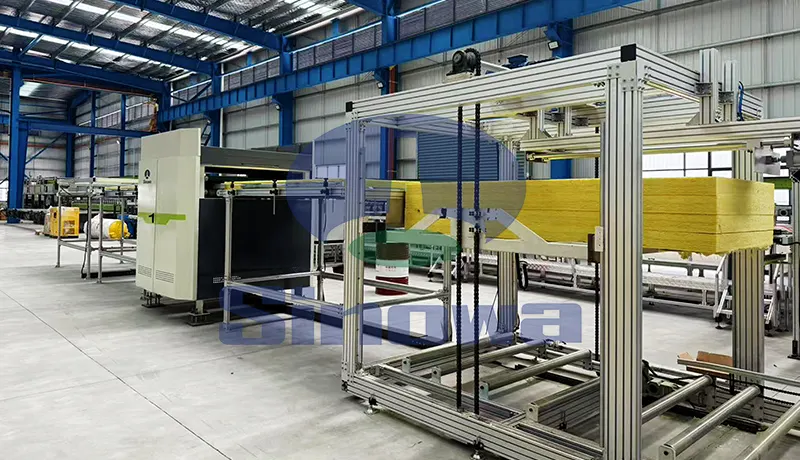
A professional rockwool sandwich panel line serves as the core equipment for producing high-performance building panels. This rockwool sandwich panel production line integrates feeding, laminating and forming processes to ensure stable and efficient production. The well-structured rock wool sandwich panel line can process raw rockwool materials into panels with excellent thermal and sound insulation properties. Operators can adjust the running parameters of the rock wool sandwich panel production line to manufacture panels of different thicknesses and specifications. The automated design of the mineral wool sandwich panel production line greatly reduces manual operation errors and improves product consistency. Regular maintenance of the mineral wool sandwich panel line is essential to sustain long-term operational efficiency and guarantee qualified finished panels for diverse construction applications.