Continuous Rock Wool Sandwich Panel Line
Publication Date: Oct 9, 2026
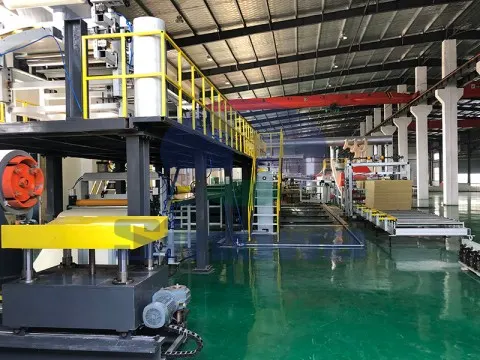
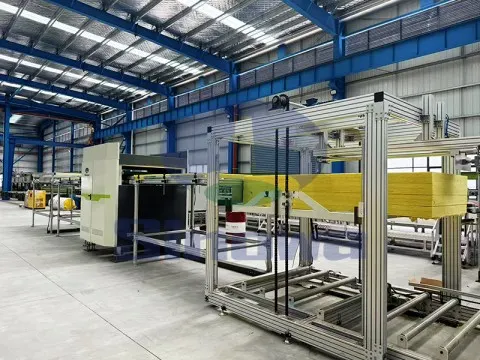
This continuous rock wool sandwich panel line delivers automated, streamlined production of high-performance insulated panels. It integrates core processing, laminating, curing and cutting for stable, efficient manufacturing output.
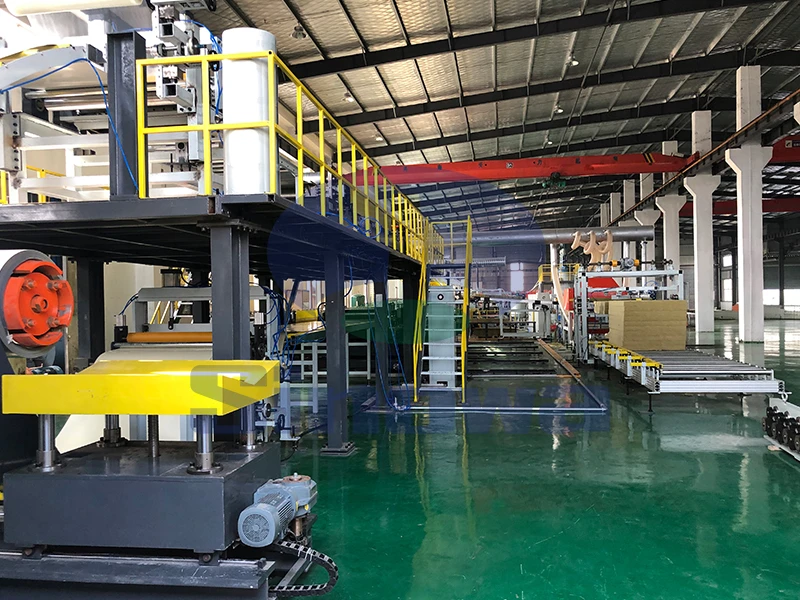
The continuous rock wool sandwich panel line represents an advanced automated manufacturing system designed for the mass production of composite insulation panels with rock wool as the core material. Different from traditional intermittent production equipment that relies heavily on manual operation and segmented processing, this integrated production model unifies all key manufacturing procedures into a seamless streamlined workflow. The entire operational system adopts a modular design, with each functional unit closely interconnected and synchronously operating to eliminate production gaps and quality inconsistencies caused by discontinuous processing. As a core equipment for producing inorganic fireproof insulation panels, it fully leverages the inherent advantages of rock wool materials, including excellent thermal insulation, sound absorption and fire resistance, while converting these material properties into standardized, high-quality finished panel products through precise mechanical control. The automated operation mode greatly reduces manual intervention, effectively lowering human error and improving overall production stability, making it a preferred solution for large-scale panel manufacturing in the insulation construction industry.
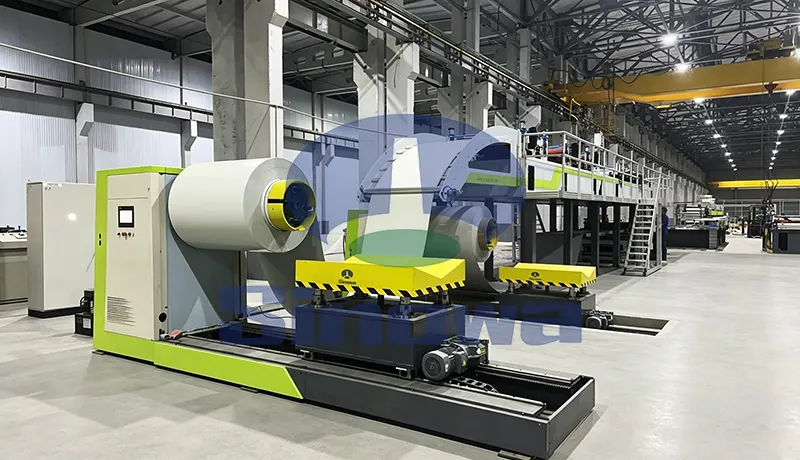
Raw material pretreatment and feeding serves as the initial and foundational stage of the entire production workflow of the continuous rock wool sandwich panel line. The system is equipped with professional unwinding and feeding modules that handle metal surface coils and rock wool core materials respectively. For metal surface materials, the automatic unwinding unit steadily releases coiled metal sheets, ensuring consistent tension and flatness throughout the feeding process to avoid wrinkling or deformation of the surface layer. Meanwhile, the dedicated rock wool processing unit conducts uniform cutting, sorting and arrangement of bulk rock wool raw materials, adjusting the thickness and density of the rock wool layer to meet the molding requirements of subsequent composite processes. All feeding parameters are intelligently calibrated by the system, realizing synchronous feeding of surface and core materials. This standardized pretreatment process guarantees the uniformity of raw material specifications, laying a solid foundation for consistent bonding quality and overall structural stability of the final sandwich panels.
Metal surface rolling and forming is a crucial procedure that shapes the outer protective structure of rock wool sandwich panels. After completing unwinding and preliminary cleaning, the flat metal sheets are transported to the precision rolling forming unit of the production line. This unit is fitted with multiple groups of high-precision roller sets arranged in an orderly sequence, which gradually bend and shape the flat metal sheets through segmented pressure regulation and stable speed matching. The rolling process adopts graded molding logic, avoiding sudden pressure changes that may cause metal surface scratches, cracking or uneven radian. By presetting professional parameter programs, the equipment can form standardized edge structures and overall plate shapes, ensuring the flatness and dimensional accuracy of the metal surface layer. Well-formed metal surface layers not only enhance the aesthetic appearance of finished panels but also improve the overall structural rigidity and weather resistance of the composite panels, providing reliable outer protection for the internal rock wool core material.
Precision glue coating and bonding preparation determines the long-term structural firmness of rock wool sandwich panels, and the continuous production line is equipped with an intelligent glue application system to optimize this process. After the metal surface layers are formed, the automatic glue coating device evenly sprays high-performance adhesive on the inner surfaces of both upper and lower metal plates. The system precisely controls the glue application amount, coating range and spraying uniformity through digital adjustment, effectively avoiding common problems such as excessive glue overflow, insufficient local bonding and uneven glue layers. Reasonable glue coating parameters ensure that the adhesive can fully infiltrate the tiny gaps between the metal surface and rock wool core, forming a tight bonding interface. Moreover, the glue application process is synchronized with the production line operating speed, realizing continuous and uninterrupted coating operation. This automated and precise bonding preparation effectively improves the bonding strength between layers, preventing delamination and peeling of panels during long-term use.
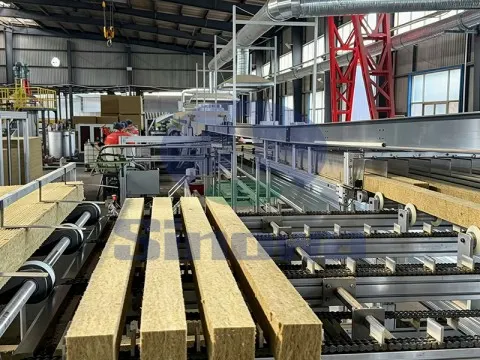
Rock wool core material layout and integration is a unique and key link in the production of rock wool sandwich panels, distinguishing it from ordinary foam core panel production lines. Processed rock wool strips and blocks are automatically conveyed to the composite station, where the professional arrangement system neatly arranges and splices the rock wool core materials in an orderly and dense manner. The equipment adjusts the arrangement density and gap uniformity of rock wool fibers to ensure the overall consistency of the core material structure. Different from loose manual arrangement, the automated layout mode completely eliminates hollow gaps and uneven density inside the core layer, ensuring that every part of the panel has consistent thermal insulation and fireproof performance. After layout, the rock wool core layer forms a complete and uniform integral structure, which is accurately matched with the upper and lower glued metal surface layers, laying the core structural foundation for the subsequent composite lamination process and ensuring the overall performance uniformity of finished panels.
Continuous composite lamination is the core molding process of the entire production line, realizing the integral combination of metal surface layers and rock wool core material. After the surface plates and core materials are accurately positioned, the semi-finished products enter the multi-pressure roller lamination unit. The equipment adopts multi-group symmetric pressure rollers to apply uniform and stable vertical pressure to the composite blank, enabling tight fitting between the adhesive layer, metal plate and rock wool core. The pressure value and lamination speed are intelligently coordinated with the overall production rhythm, ensuring that the pressure acts evenly on the entire panel surface without damaging the internal rock wool fiber structure or causing metal surface deformation. The continuous lamination process realizes one-time integral molding of the three-layer composite structure, avoiding structural defects caused by segmented lamination. Through this stable compression molding, the composite panel forms an integrated structure with tight internal combination, significantly improving overall structural stability and mechanical properties.
Constant-temperature curing treatment is an indispensable post-lamination process to stabilize the bonding structure and enhance the overall performance of rock wool sandwich panels. The laminated semi-finished panels are continuously transported into an insulated curing tunnel with adjustable internal temperature. The tunnel interior is divided into multiple temperature gradient areas, realizing staged heating and constant-temperature maintenance to adapt to the curing characteristics of high-performance adhesives. In the low-temperature preheating stage, the adhesive flows slowly and evenly to fill the microscopic gaps between layers; in the constant-temperature curing stage, the adhesive undergoes stable chemical cross-linking reactions to form a high-strength bonding structure. The closed and temperature-controlled environment avoids the influence of external temperature and humidity on the curing effect, ensuring thorough curing of the adhesive inside each panel. This process effectively improves the interfacial bonding toughness and aging resistance of the panels, preventing layer separation and performance attenuation in complex service environments.
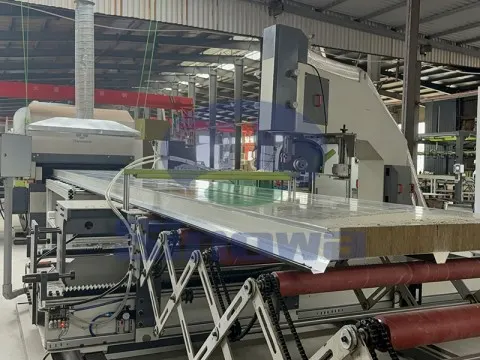
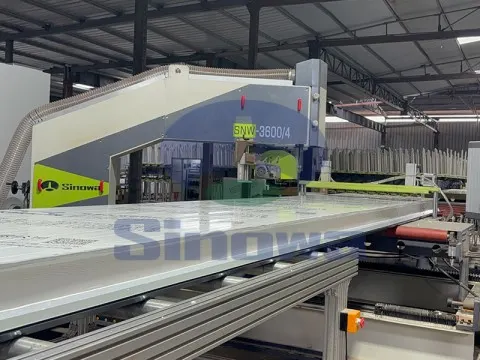
Fixed-length precision cutting and edge finishing ensure the dimensional standardization and appearance quality of finished rock wool sandwich panels. After completing curing and shaping, the continuous long strip of composite panels is conveyed to the intelligent cutting unit. The system supports flexible setting of cutting lengths according to different application demands, and the high-speed precision cutting device completes fixed-length cutting in an instant with high dimensional accuracy and neat incision. The cutting process adopts stable mechanical cutting technology to avoid burrs, edge warping and fiber scattering at the incision. Meanwhile, the matching edge finishing module trims and polishes the panel edges, smoothing rough parts and optimizing the overall appearance of the panels. Automated cutting and finishing replace traditional manual cutting, greatly improving cutting efficiency and product consistency, ensuring that each finished panel has standardized dimensions and smooth edges, meeting the fine processing requirements of engineering applications.
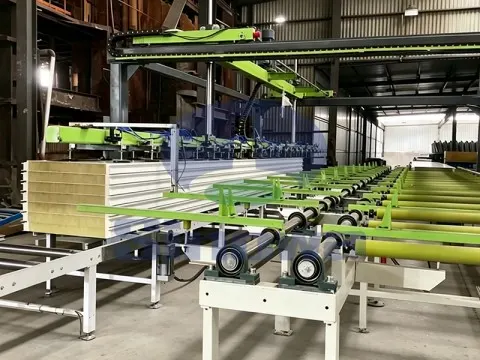
Automatic stacking and finished product sorting constitute the final link of the continuous sandwich panel production line, realizing efficient collection and standardized storage of finished panels. Cut and finished panels are automatically transported to the stacking station through the conveying system, where the intelligent stacking device neatly stacks the panels according to fixed specifications and quantities. The stacking process maintains stable lifting and placement speed to avoid collision and scratch damage to the panel surface. The system can also realize automatic sorting according to different panel specifications, facilitating subsequent centralized packaging and transportation. This fully automated finished product processing mode eliminates manual carrying and stacking, reduces labor costs and product damage rate, and improves the overall automation level of the production line. Neatly stacked finished products are convenient for subsequent storage, delivery and construction application, forming a complete closed-loop production process.
The technological advantages and application value of the continuous rockwool sandwich panel line are fully reflected in its stable operation performance and high-quality product output. Compared with traditional discontinuous production equipment, this continuous line features higher production efficiency, more stable product quality and lower comprehensive operating costs. Its highly integrated automated system reduces manual operation links, minimizes human-induced quality fluctuations, and realizes long-term stable continuous production. The panels produced by this line have uniform density, reliable bonding strength and excellent overall performance, with outstanding advantages in thermal insulation, sound insulation, fire resistance and structural stability. Widely applicable to building enclosure, industrial plant insulation, clean room construction and other fields, the equipment provides efficient and reliable manufacturing support for the production of high-performance insulation composite panels, and has become a key equipment to promote the upgrading of the insulation panel manufacturing industry.
Gallery of Continuous Rock Wool Sandwich Panel Line
Tags: continuous rock wool sandwich panel line, continuous rock wool sandwich panel line manufacturer, continuous rock wool sandwich panel line supplier, china continuous rock wool sandwich panel line, continuous rock wool sandwich panel line for sale
https://www.sandwichpanelmachinery.com/tags/continuous-rock-wool-sandwich-panel-line.html
-
The PU sandwich panel line is a core production setup for making high-performance building insulation panels. This professional PU sandwich panel production line features automated operation to streamline the whole manufacturing process efficiently. Every component of the polyurethane sandwich panel line is precisely calibrated to ensure consistent panel thickness and structural stability. A well-maintained polyurethane sandwich panel production line can greatly boost production efficiency while reducing manual operation errors. The continuous PU sandwich panel line adapts to diverse production demands for different panel sizes and surface styles. With advanced molding technology, the PIR sandwich panel line produces panels with excellent heat preservation and sound insulation properties. Stable running of the PIR sandwich panel production line guarantees reliable product quality for various construction and industrial application scenarios.
-
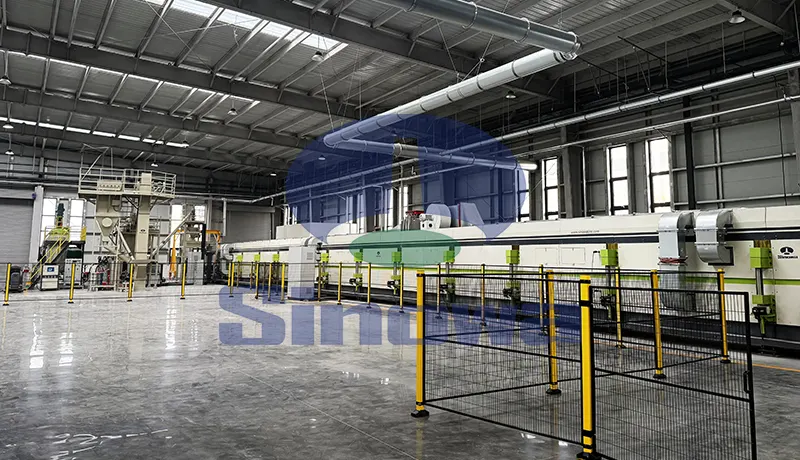
A phenolic insulation board production line serves as the core equipment for manufacturing high-performance thermal insulation building materials. This phenolic insulation panel production line integrates material mixing, foaming, molding and cutting processes to ensure continuous and stable production efficiency. Every operational link of the insulation board production line is precisely calibrated to produce uniform and durable insulation boards. The automated design of the insulation panel production line effectively reduces manual intervention and improves product consistency. Proper maintenance of the phenolic board production line can greatly extend its service life and maintain steady production output. With optimized structural design, the phenolic panel production line adapts to various production demands and delivers high-quality finished products for thermal insulation engineering applications.
-
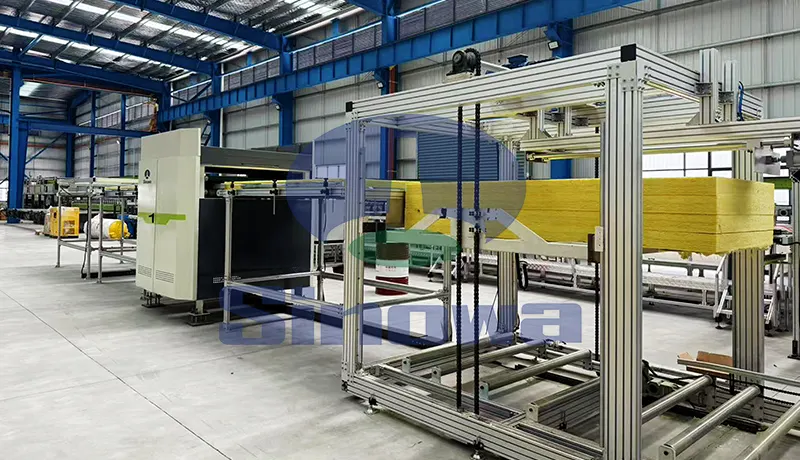
A professional rockwool sandwich panel line serves as the core equipment for producing high-performance building panels. This rockwool sandwich panel production line integrates feeding, laminating and forming processes to ensure stable and efficient production. The well-structured rock wool sandwich panel line can process raw rockwool materials into panels with excellent thermal and sound insulation properties. Operators can adjust the running parameters of the rock wool sandwich panel production line to manufacture panels of different thicknesses and specifications. The automated design of the mineral wool sandwich panel production line greatly reduces manual operation errors and improves product consistency. Regular maintenance of the mineral wool sandwich panel line is essential to sustain long-term operational efficiency and guarantee qualified finished panels for diverse construction applications.