
This article explores the practical color steel thickness range applicable to sandwich panel production equipment, explaining core parameters, equipment adaptability, and the impact of steel thickness on panel performance and manufacturing efficiency in industrial production scenarios.
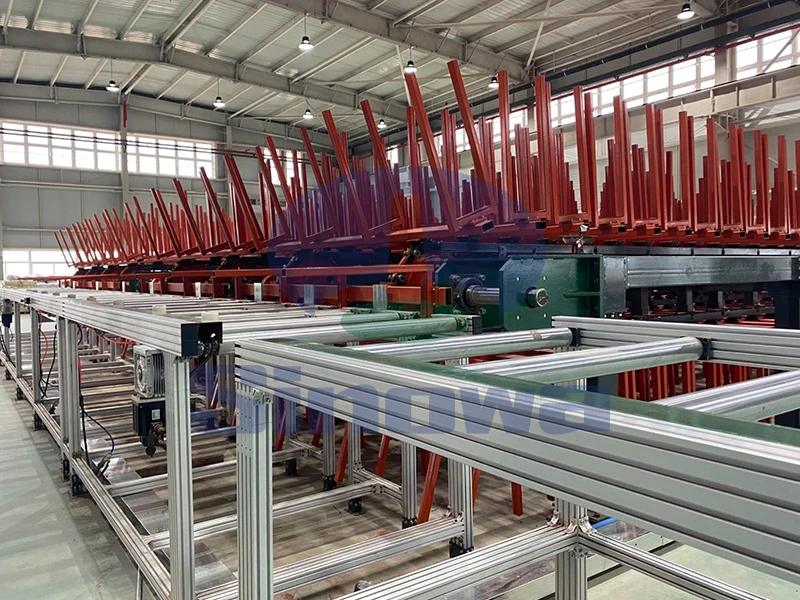
Color steel sheets serve as the outer protective and structural layers of sandwich panels, and their thickness is a core parameter that matches the operating capacity of sandwich panel processing equipment. In conventional industrial production, the mainstream applicable thickness range of color steel for standard sandwich panel equipment falls between 0.3mm and 0.8mm. This universal range covers most common production demands for building insulation panels, including wall and roof panels used in industrial plants, temporary buildings, and insulation enclosures. Equipment designed for conventional panel manufacturing is structurally optimized to process color steel within this interval, ensuring stable rolling, pressing, laminating, and cutting operations without material deformation or processing failures. Thickness values within this scope balance production feasibility, structural durability, and cost-effectiveness, making them the most widely adopted specifications in daily sandwich panel fabrication.
For lightweight and low-load sandwich panel applications, production equipment can adapt to thinner color steel sheets starting from 0.3mm. Color steel in the 0.3mm to 0.4mm thickness segment is primarily used for non-load-bearing interior wall panels and temporary enclosure panels with low environmental pressure. Processing equipment configured for thin steel materials features adjusted rolling gap and tension control systems to avoid wrinkling, stretching, or surface damage during high-speed production. Although ultra-thin color steel below 0.3mm exists in raw material markets, most conventional sandwich panel equipment cannot stably process such materials. Excessively thin steel sheets are prone to uneven stress during laminating with core insulation materials, resulting in irregular panel surfaces and reduced overall flatness, which fails to meet basic building usage requirements.
The medium thickness segment of 0.4mm to 0.6mm represents the most versatile and widely used color steel specification for standard sandwich panel equipment. This thickness range achieves an optimal balance between structural rigidity, processing adaptability, and functional performance. Equipment operating with these steel thicknesses maintains stable running speed and consistent processing accuracy in continuous production lines. Color steel in this range provides sufficient surface hardness to resist minor external impacts, dust erosion, and daily weather abrasion, while retaining good ductility for bending and forming during panel molding. It is suitable for most conventional exterior wall and roof sandwich panels, matching well with various core materials such as polyurethane, polystyrene, and rock wool in composite lamination processes.
For heavy-duty and high-durability sandwich panel scenarios, production equipment supports color steel thickness up to 0.8mm. The 0.6mm to 0.8mm thickness range is dedicated to panels used in harsh environments, including high-wind areas, humid coastal zones, and industrial sites with frequent mechanical friction. Professional upgraded sandwich panel equipment is required for processing these thicker steel sheets, with reinforced rolling components and increased mechanical power to ensure complete pressing and tight bonding between color steel and core materials. Thicker color steel significantly enhances the structural stability and anti-deformation ability of finished panels, extending service life under severe working conditions without compromising production continuity or panel forming quality.
It is essential to distinguish the thickness matching differences between upper and lower color steel layers in sandwich panel equipment production. Most flexible production lines support asymmetric thickness configuration for the two steel layers to adapt to differentiated usage environments. In practical production, the outer color steel exposed to external environments usually adopts a thicker specification within the 0.35mm to 0.8mm range for enhanced weather resistance, while the inner steel layer can use thinner materials from 0.3mm to 0.6mm to control overall production costs. The equipment’s adjustable lamination and pressing system can automatically adapt to such asymmetric thickness combinations, ensuring uniform bonding pressure and consistent overall flatness of finished panels without structural deviation.
The color steel thickness range of sandwich panel equipment directly affects production efficiency and yield rate. When processing color steel within the standard 0.3mm to 0.8mm range, automated production lines can maintain continuous and efficient operation with low failure rates and high finished product qualification rates. In contrast, processing materials beyond this conventional range requires manual parameter adjustment and equipment debugging, which reduces production speed. Thinner steel may cause feeding jams and surface wrinkling, while over-thick steel can lead to incomplete pressing, weak bonding, and even equipment component wear. Therefore, matching raw material thickness with equipment design parameters is the key to stabilizing production output and product quality.
Different core insulation materials of sandwich panels also indirectly determine the applicable color steel thickness range of supporting equipment. For lightweight and soft core materials such as ordinary polystyrene foam, equipment is more suitable for matching color steel within 0.3mm to 0.6mm, as excessively thick steel may cause excessive pressing force that compresses the core material and damages internal insulation structure. For high-density and rigid core materials like polyurethane and rock wool, equipment can adapt to the full 0.3mm to 0.8mm steel thickness range. The rigid core can bear the pressure of thick steel lamination, ensuring tight integration between steel layer and core material while maintaining the complete structural performance of insulation layers.
Customized sandwich panel production equipment expands the feasible color steel thickness scope on the basis of standard models. Professional customized production lines with precision gap adjustment and high-power driving systems can process partial ultra-thin or slightly thick color steel beyond conventional ranges for special engineering needs. These customized devices can fine-tune rolling pressure, feeding speed, and laminating temperature according to steel thickness changes, solving the processing difficulties of non-standard thickness materials. However, such non-standard processing requires targeted equipment debugging and parameter setting, and is mostly applied in small-batch customized production rather than large-scale mass manufacturing.
The color steel thickness selected for equipment processing profoundly influences the post-installation performance of sandwich panels. Panels made with thinner color steel within the standard range feature light overall weight and good construction convenience, suitable for light-duty building envelopes and temporary facilities. Panels adopting medium and thick color steel have stronger structural load-bearing capacity, better wind resistance, and impact resistance, adapting to permanent industrial and commercial building structures. Reasonable thickness matching avoids redundant material waste caused by excessive steel thickness and prevents structural weakness problems brought by insufficient thickness, realizing the optimal coordination of equipment processing performance and product application value.
In summary, the core applicable color steel thickness range for mainstream sandwich panel production equipment is 0.3mm to 0.8mm, with segmented specifications corresponding to different production processes and application scenarios. Mastering the matching rules between equipment performance and color steel thickness is crucial for optimizing production processes, improving finished panel quality, and adapting to diverse engineering demands. Reasonable selection of steel thickness based on equipment capabilities and usage requirements ensures stable production, reliable product performance, and balanced comprehensive benefits in sandwich panel manufacturing.