How To Maintain Continuous PU Sandwich Panel Line Hydraulic System?
Publication Date: Oct 8, 2026
Proper hydraulic system maintenance stabilizes continuous PU sandwich panel line operation, cuts downtime, extends component life, and ensures consistent production accuracy and efficiency long-term.
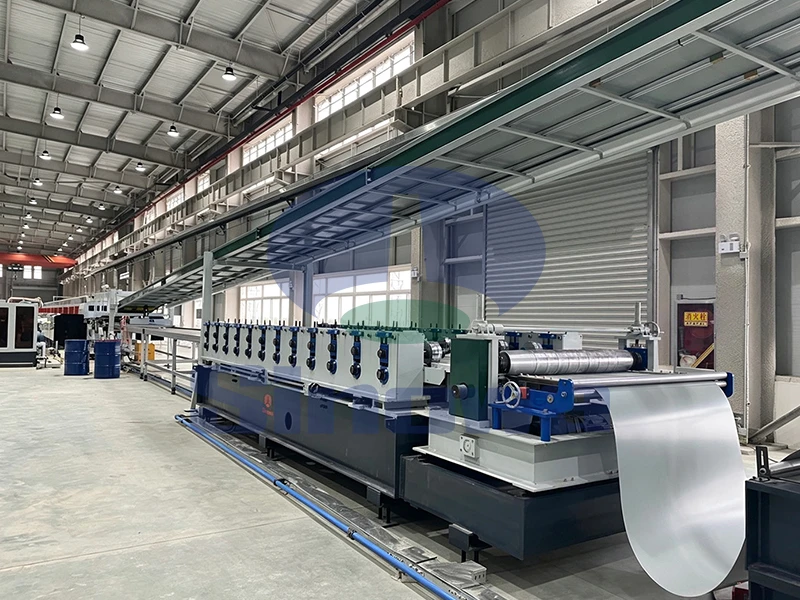
Daily routine inspection forms the foundation of reliable hydraulic system operation for continuous PU sandwich panel production lines, effectively preventing minor anomalies from evolving into severe equipment failures. Operators should conduct a comprehensive visual and operational check before each production shift starts, focusing on core basic indicators that directly affect system stability. The primary task is verifying hydraulic fluid levels in the reservoir, ensuring the fluid stays within the standard operating range; insufficient fluid will cause insufficient system pressure and poor component lubrication, while overfilled fluid may lead to heat accumulation and oil overflow during high-load operation. Meanwhile, workers need to check all exposed hydraulic pipelines, hose joints, cylinder seals and valve connections for signs of oil leakage, dripping or seepage. Tiny leak points often indicate aging or loose sealing components, and timely detection can avoid fluid waste, pressure loss and environmental contamination. Additionally, observing the system’s startup operation status, including abnormal vibration, harsh noise or delayed pressure response, helps capture early fault signals and lay a solid foundation for stable daily production of PU sandwich panels.
Regular hydraulic fluid quality management is essential to sustain the working performance of the sandwich panel line’s hydraulic system, as fluid condition directly determines the service life of hydraulic components and overall system efficiency. Long-term operation leads to gradual contamination of hydraulic oil by metal debris, dust, moisture and oxidized colloids generated by component friction, which will accelerate wear of pumps, valves and cylinders, and block narrow pipeline passages. It is necessary to regularly observe the color, clarity and viscosity of hydraulic oil during daily inspections; darkened, turbid or foamy oil indicates severe contamination or moisture mixing, requiring timely treatment. Besides regular manual observation, scheduled oil replacement must be implemented according to actual operating hours and working conditions. After replacing old oil, the oil reservoir needs thorough cleaning to remove residual dirt and sediment, and the entire hydraulic pipeline should be properly flushed to avoid new oil being contaminated by residual impurities. Maintaining clean, qualified hydraulic fluid ensures stable pressure transmission and effective lubrication and heat dissipation of the system.
Timely replacement and maintenance of hydraulic filters is a key measure to block impurity pollution and maintain fluid cleanliness in continuous PU sandwich panel line hydraulic systems. Filters undertake the core task of filtering solid particles and impurities in hydraulic oil, and long-term operation will cause filter element clogging, reduced filtration efficiency and increased pipeline resistance, further leading to insufficient system pressure and slow component action. Operators should regularly check the filter indicator status and differential pressure values. Once the early warning signal of clogging appears, the filter element must be replaced immediately instead of waiting for complete blockage. In addition to responsive replacement, periodic fixed-cycle replacement is required to adapt to long-term continuous production characteristics. When replacing filter elements, it is necessary to clean the filter shell and surrounding pipeline interfaces to prevent external dust from entering the system during replacement. Using matched standard filter elements ensures accurate filtration precision, effectively intercepts tiny impurities, and protects precision hydraulic components from abrasive wear, maintaining long-term stable operation of the hydraulic system.
Hydraulic system temperature control is crucial for avoiding performance degradation and component damage in PU sandwich panel continuous production lines. The hydraulic system will generate continuous heat during high-intensity cyclic operation, and excessive operating temperature is one of the main causes of hydraulic oil aging, seal failure and component fatigue. The ideal working temperature range keeps fluid viscosity stable to ensure normal pressure transmission and lubrication effect. Excessively high temperature will rapidly reduce oil viscosity, weaken lubricating performance, increase component friction and wear, and accelerate the aging and deformation of rubber sealing rings, resulting in frequent oil leakage. Operators need to real-time monitor system temperature through on-board monitoring devices during production. When temperature rises abnormally, production load should be appropriately reduced for cooling treatment. Meanwhile, regular cleaning of the system’s heat dissipation equipment is required to remove surface dust, oil stains and debris that block heat dissipation, ensuring unobstructed heat exchange efficiency and avoiding local heat accumulation caused by poor heat dissipation.
Sealing component maintenance and regular inspection effectively solves common leakage problems of continuous PU sandwich panel line hydraulic systems and maintains system pressure stability. Sealing rings, gaskets and oil seals are vulnerable consumable components in hydraulic systems, which will gradually age, harden and wear under long-term pressure impact, temperature change and cyclic friction. Damaged seals directly cause hydraulic oil leakage, leading to system pressure drop, unstable feeding and laminating actions of the sandwich panel line, and affecting product processing accuracy. It is necessary to conduct targeted inspection of all sealing parts every week, focusing on movable joints of hydraulic cylinders, pipeline flanges and valve body sealing surfaces. For slightly aged or worn seals, preventive replacement can be carried out during regular shutdown maintenance. When replacing sealing components, ensure the installation environment is clean to prevent impurities from sticking to the seal surface, and standardize installation operations to avoid seal distortion or damage caused by improper assembly. Standardized seal maintenance can effectively reduce leakage failure rate and maintain tight system operation status.
Regular inspection and fastening of hydraulic pipeline connections and fixing parts ensures the structural stability of the PU sandwich panel line hydraulic system during long-term vibration operation. Continuous mechanical vibration will be generated during the high-frequency working process of the continuous production line, which easily loosens pipeline bolts, clamp nuts and joint fasteners over time. Loose connections will not only cause oil leakage, but also lead to pipeline displacement and vibration amplification, triggering abnormal noise and even pipeline cracking in severe cases. Maintenance personnel need to conduct a comprehensive fastening inspection of all hydraulic pipelines, hard pipe joints and hose fixing points on a monthly basis. For aging and fatigued pipeline clamps, timely replacement is required to ensure pipelines are firmly fixed without shaking or friction with surrounding mechanical parts. At the same time, check hydraulic hoses for surface cracking, bulging, aging peeling and tensile deformation. Damaged hoses bear pressure risks and need to be replaced in a timely manner to avoid sudden pipe burst failure during high-load production.
Calibration and maintenance of hydraulic pressure and temperature monitoring sensors guarantees accurate system data judgment and scientific maintenance of the PU sandwich panel line hydraulic system. Various sensors are responsible for real-time collection of core operating data such as system pressure and oil temperature, providing important basis for equipment automatic control and manual maintenance judgment. Long-term operating vibration, oil pollution and environmental interference will cause sensor data deviation and failure, leading to inaccurate system parameter adjustment and unrecognized potential faults. It is necessary to regularly calibrate all monitoring sensors to ensure the consistency between displayed data and actual operating parameters. Meanwhile, clean the sensor probe and mounting surface regularly to remove accumulated oil stains and dust that affect detection accuracy. Check the sensor wiring for looseness, aging and poor contact to ensure stable signal transmission. Accurate monitoring data helps operators timely grasp the operating state of the hydraulic system, realize early warning of abnormal parameters, and avoid blind equipment operation leading to expanded faults.
Lubrication maintenance of hydraulic moving components reduces friction loss and improves the operating flexibility of the continuous PU sandwich panel line hydraulic system. Hydraulic cylinders, guide sliding parts and transmission moving structures in the hydraulic system bear frequent reciprocating and linear movements during production. Insufficient lubrication will increase mechanical friction resistance, cause slow component action, unsmooth equipment operation, and even produce abnormal wear and scratch on the contact surface. Maintenance personnel need to regularly clean the surface of moving components to remove dust, iron filings and residual oil dirt, and apply special high-temperature and wear-resistant lubricating grease according to the operating environment. It is necessary to avoid excessive or insufficient lubrication; excessive lubricant will adhere to impurities and form dirt accumulation, while insufficient lubrication cannot form a complete protective oil film. Regular standardized lubrication maintenance can reduce component wear loss, ensure flexible and accurate hydraulic transmission action, and improve the overall operating efficiency of the production line.
Regular system pressure debugging and idle operation maintenance optimizes the working state of the PU sandwich panel line hydraulic system and eliminates hidden faults. After long-term continuous operation, the system pressure parameters may drift, resulting in inconsistent pressure output, unstable equipment action and reduced production precision. It is necessary to conduct regular pressure debugging and parameter calibration for the hydraulic system, adjust the pressure value to the optimal operating state suitable for sandwich panel production, and ensure balanced pressure output of each branch pipeline. In addition, after daily shutdown and before startup, perform short-term idle operation of the hydraulic system to check whether the pressure rises steadily, whether the component actions are coordinated, and whether there are abnormal noises and jitter phenomena. Idle operation can effectively discharge tiny air bubbles mixed in the pipeline, avoid air resistance causing unstable pressure transmission, and help maintain the sensitivity and stability of the hydraulic control system. Timely pressure optimization and idle inspection can effectively reduce operational faults in formal production.
Formulating standardized maintenance records and regular system overhaul plans realizes long-term stable and intelligent management of the continuous PU sandwich panel line hydraulic system. Daily inspection results, fluid replacement and replacement time, filter replacement records, component maintenance and parameter calibration data should be completely recorded and sorted to form a complete equipment maintenance file. Detailed maintenance records can help maintenance personnel track the operating law and aging trend of the hydraulic system, accurately judge the service life of consumable parts, and formulate targeted preventive maintenance plans instead of relying on passive fault repair. On the basis of daily and weekly maintenance, regular comprehensive overhauls are carried out every fixed cycle, including thorough cleaning of the oil circuit, overall inspection of precision components, elimination of potential aging hidden dangers, and comprehensive debugging of system performance. Perfect maintenance management can effectively reduce equipment failure rate, shorten downtime, extend the overall service life of the hydraulic system, and ensure the continuous, efficient and stable operation of the PU sandwich panel production line.
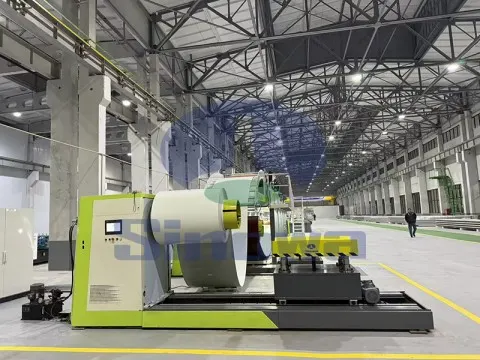
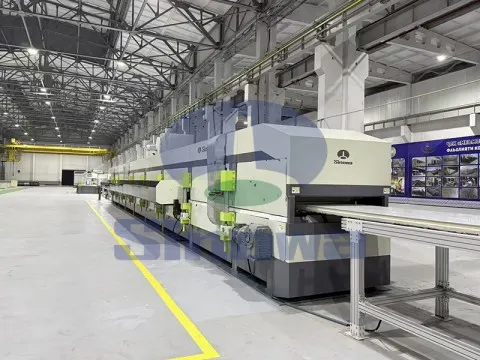
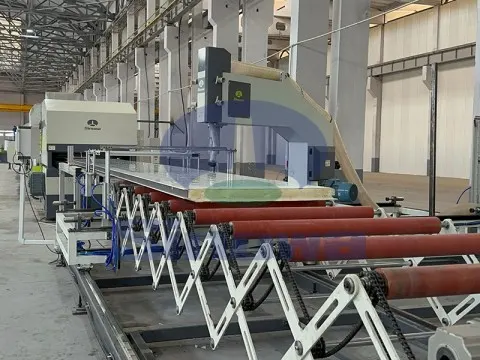
Gallery of Continuous PU Sandwich Panel Line
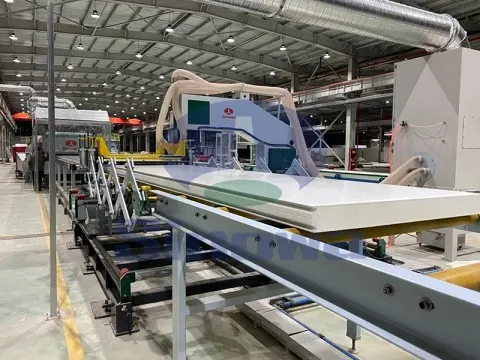
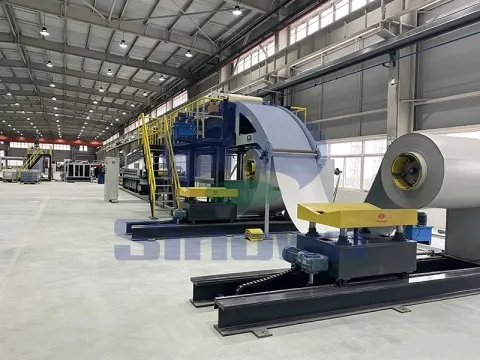
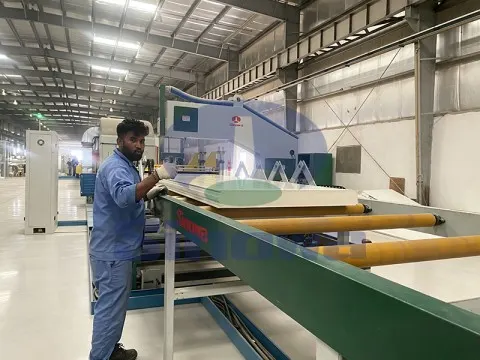
Tags: continuous pu sandwich panel line, continuous pu sandwich panel line manufacturer, continuous pu sandwich panel line supplier, china continuous pu sandwich panel line, continuous pu sandwich panel line for sale
-
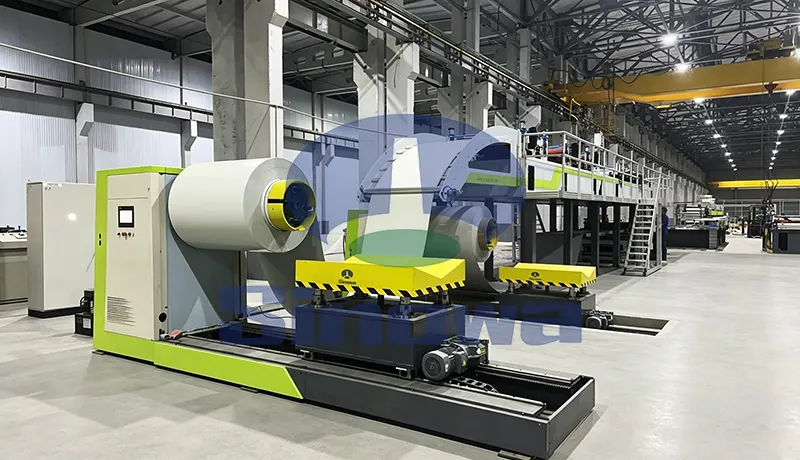
The PU sandwich panel line is a core production setup for making high-performance building insulation panels. This professional PU sandwich panel production line features automated operation to streamline the whole manufacturing process efficiently. Every component of the polyurethane sandwich panel line is precisely calibrated to ensure consistent panel thickness and structural stability. A well-maintained polyurethane sandwich panel production line can greatly boost production efficiency while reducing manual operation errors. The continuous PU sandwich panel line adapts to diverse production demands for different panel sizes and surface styles. With advanced molding technology, the PIR sandwich panel line produces panels with excellent heat preservation and sound insulation properties. Stable running of the PIR sandwich panel production line guarantees reliable product quality for various construction and industrial application scenarios.
-
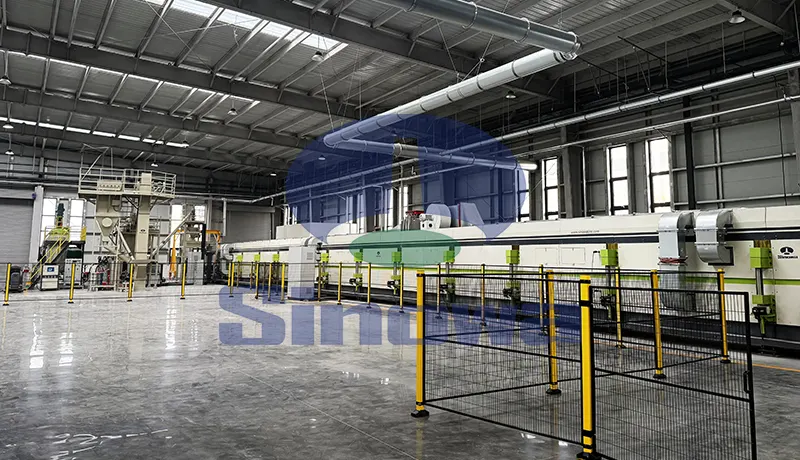
A phenolic insulation board production line serves as the core equipment for manufacturing high-performance thermal insulation building materials. This phenolic insulation panel production line integrates material mixing, foaming, molding and cutting processes to ensure continuous and stable production efficiency. Every operational link of the insulation board production line is precisely calibrated to produce uniform and durable insulation boards. The automated design of the insulation panel production line effectively reduces manual intervention and improves product consistency. Proper maintenance of the phenolic board production line can greatly extend its service life and maintain steady production output. With optimized structural design, the phenolic panel production line adapts to various production demands and delivers high-quality finished products for thermal insulation engineering applications.
-
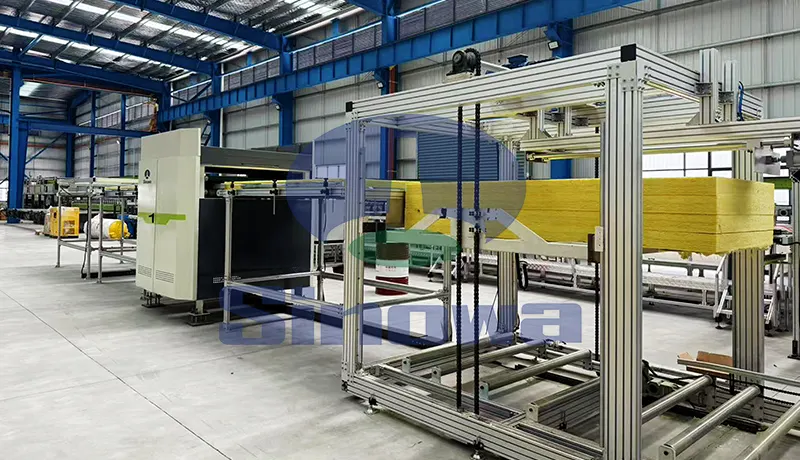
A professional rockwool sandwich panel line serves as the core equipment for producing high-performance building panels. This rockwool sandwich panel production line integrates feeding, laminating and forming processes to ensure stable and efficient production. The well-structured rock wool sandwich panel line can process raw rockwool materials into panels with excellent thermal and sound insulation properties. Operators can adjust the running parameters of the rock wool sandwich panel production line to manufacture panels of different thicknesses and specifications. The automated design of the mineral wool sandwich panel production line greatly reduces manual operation errors and improves product consistency. Regular maintenance of the mineral wool sandwich panel line is essential to sustain long-term operational efficiency and guarantee qualified finished panels for diverse construction applications.