Rock Wool Panel Production Machinery
Publication Date: Oct 26, 2026
Integrated rock wool panel production machinery automates full rock wool insulation board production. Supports fiber formation, curing, trimming and lamination. Delivers consistent panel quality, flexible size adjustment, low wear, suitable for insulation material manufacturers.
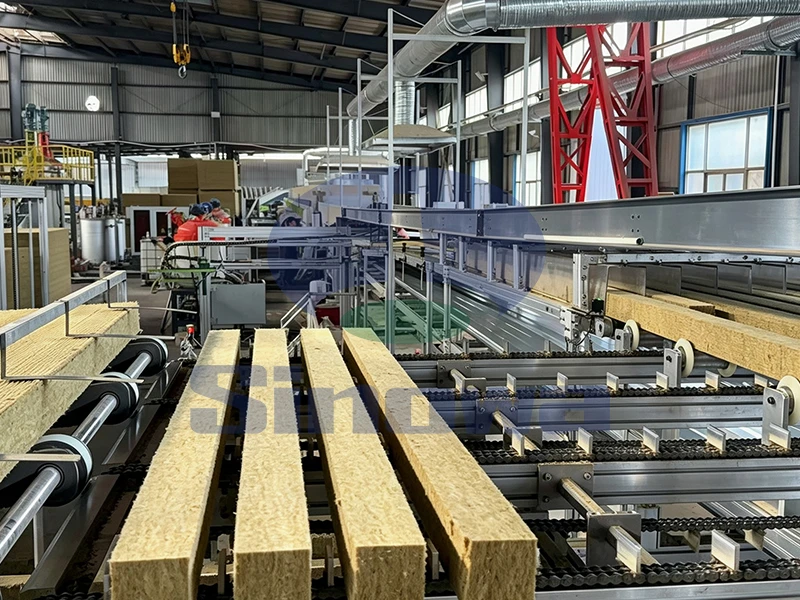
Rock wool panel production machinery forms the core foundation for turning raw mineral feedstock into finished building panels that balance thermal performance and structural stability. The entire production sequence begins with the feeding and melting unit, where selected rock materials are steadily conveyed into a high-temperature melting furnace under carefully controlled thermal conditions. Consistent material feeding is critical here, as uneven input will create fluctuations in melt viscosity and temperature, which directly affect the quality of the fibrous stream formed in the next stage. Once the raw rock reaches a fully molten state, the liquid mineral flows toward the fiberizing section, where high-speed rotating wheels or compressed air jets break the melt into fine, interwoven mineral fibers. During this fiber-forming process, binding agents are evenly sprayed onto the fresh fibers to prepare them for bonding and shaping later on. Operators monitor flow rates, rotational speeds, and binder dosage continuously to avoid issues such as overly coarse fibers, weak bonding, or uneven fiber distribution within the mat. Every adjustment made at this early stage ripples through the rest of the line, setting the baseline for panel density, flexibility, and long-term durability before any pressing or curing work takes place. Even minor inconsistencies in melting or fiberization can lead to finished panels with irregular surfaces and inconsistent insulating properties that fail to meet general application expectations.
After fiberization and binder application, the loose fibrous mass moves into the forming and laying section of the rock wool panel production machinery. This segment arranges the disordered mineral fibers into a continuous, uniform fiber mat with a controllable thickness and target bulk density. The laying equipment spreads fibers in overlapping layers, adjusting the direction of deposition to enhance the internal tensile strength of the mat and reduce the risk of separation once the panel is completed. A leveling roller system sits above the moving mat, gently compressing the loose fiber web to smooth out raised areas and fill thin spots without crushing the delicate fiber structure. At this point, the mat remains soft and pliable, held together only by the uncured binder, so transport speed and roller pressure must be calibrated to prevent tearing or shifting of fiber layers. Sensors along this part of the line track mat width and thickness in real time, sending feedback signals to adjust feeder and laying parameters automatically. Proper mat formation ensures that subsequent pressing and curing steps produce panels with uniform dimensions, while poor control in this phase often results in finished products that warp easily or show obvious gaps across their cross-section.
The curing oven represents one of the most demanding thermal stages within rock wool panel production machinery, designed to activate and harden the binder distributed throughout the fiber mat. As the continuous fiber mat enters the insulated oven chamber, controlled heat circulates evenly around the material to trigger a chemical reaction that locks fibers firmly into a stable interconnected structure. Air circulation patterns inside the oven are engineered to eliminate hot spots and cold zones, because localized overheating can burn away the binder and weaken the panel, while insufficient heat leaves the binder soft and prone to degradation under normal use. The dwell time inside the oven is matched to the mat thickness and binder formulation; thicker fiber mats require longer exposure to ensure heat penetrates all the way through the core. Conveyor speed is synchronized with oven temperature settings to maintain steady output without sacrificing curing quality. Once exiting the oven, the rock wool material has transformed from a soft fiber web into a rigid, self-supporting slab that retains its designed shape and insulating characteristics through further processing and handling.
Immediately after curing, the continuous rock wool slab proceeds to the cooling and stabilization zone integrated into the production machinery. High temperatures retained from the curing process must dissipate gradually before cutting, as rapid cooling can create internal thermal stress that causes subtle cracking or dimensional shifting within the slab. Large circulating fans draw ambient air across both upper and lower surfaces of the moving slab, bringing its temperature down to a safe handling range at a controlled rate. This cooling window also allows minor residual chemical emissions from the curing reaction to dissipate, supporting cleaner downstream handling of the panels. Operators observe slab surface condition during cooling, checking for signs of uneven shrinkage or surface blistering that signal problems originating in the oven or forming stages. The slab remains on a stable support conveyor throughout cooling to avoid sagging or bending while it finishes stabilizing. Skipping or rushing this cooling step complicates precision cutting and stacking, as warm slabs are softer and more likely to deform when gripped or trimmed by the cutting equipment that follows.
Cutting and trimming machinery processes the continuous cooled rock wool slab into individual panels of the required length and width, delivering clean, straight edges for installation. Multiple cutting stations work in sequence: first, cross-cutting blades separate the long slab into panel lengths, then longitudinal trimmers remove uneven side edges to achieve consistent panel width. The cutting tools are built to withstand the abrasive nature of mineral fibers, with blade materials selected to hold a sharp edge over extended operating runs and reduce frequent sharpening interruptions. Cutting speed aligns with the main line conveyor speed to prevent dragging, crushing, or chipping along panel edges. Waste trimmings generated during this stage are collected through dedicated extraction ducts, and many production setups route this clean rock wool scrap back toward the early feeding system for reintroduction into the melting process. Accurate cutting is essential because irregular edges make panel fitting difficult during installation and create gaps that reduce overall insulating performance. Well-tuned cutting equipment maintains tight dimensional consistency across thousands of panels produced in a single operating cycle.
Surface lamination equipment is an optional but widely used module within complete rock wool panel production machinery, applied when finished panels require a protective facing layer. Common facing materials move from unwinding rollers and bond securely to one or both sides of the rock wool core as the panel passes through a set of pressure rollers. Light adhesive or heat-activated bonding methods attach the facing without damaging the mineral fiber core or disrupting its internal structure. The facing can shield the rock wool fibers from moisture, physical abrasion, and airborne particle release during transport and installation, expanding the range of environments where the panels can be deployed. Tension control on the facing rolls prevents wrinkling, stretching, or misalignment as the material joins the rock wool core. Operators adjust roller pressure and bonding timing according to the type of facing material selected. Lamination adds another layer of quality oversight, as bubbles, delamination, or offset facing will render the panel less reliable. When lamination is not required, panels bypass this station and move directly to inspection and stacking without additional surface treatment.
Automated inspection and handling systems run alongside the rock wool panel production machinery to catch quality deviations before panels are packaged and dispatched. Non-contact sensors scan each finished panel to verify thickness, width, length, and surface flatness, flagging units that fall outside preset tolerances for separation. Visual inspection stations also identify surface defects such as indentations, torn facings, discoloration, or incomplete bonding that automated gauges may not detect. Once panels pass inspection, transfer mechanisms reorient and group them into neat stacks suitable for packaging. Stacking equipment balances panel weight distribution to prevent crushing the bottom layers in each stack, and spacing controls keep panels aligned to simplify later strapping or wrapping. Rejected panels are diverted into separate collection bins for evaluation, and production data from inspections helps operators trace issues back to earlier line sections, whether related to melting, fiber laying, curing, or lamination. This continuous quality feedback loop reduces consistent waste and helps maintain steady output quality over long production runs, rather than relying only on random manual spot checks.
Proper maintenance and operational management determine the service life and stable output of rock wool panel production machinery, as the abrasive mineral fibers and high operating temperatures create ongoing wear across all line sections. Regular maintenance schedules cover furnace refractory linings, fiberizing wheels, conveyor belts, cutting blades, oven seals, and extraction filter systems, with worn components replaced before they cause unplanned shutdowns. Lubrication points on rotating parts are serviced on a fixed cycle, and dust extraction pathways are cleared of accumulated rock wool dust to preserve airflow and reduce fire risk inside the oven and electrical cabinets. Operators receive training to recognize early warning signs, including unusual vibration, inconsistent mat thickness, rising energy consumption, or visible smoke within enclosed sections of the line. Energy management is also a key operational focus, since melting and curing consume the largest share of power; well-maintained insulation on furnace and oven chambers cuts unnecessary energy loss. When maintained carefully, the machinery can sustain long continuous production runs with predictable performance, supporting steady supply of rock wool panels for many different building and industrial insulation applications over years of service.
Gallery of Rock Wool Panel Production Machinery
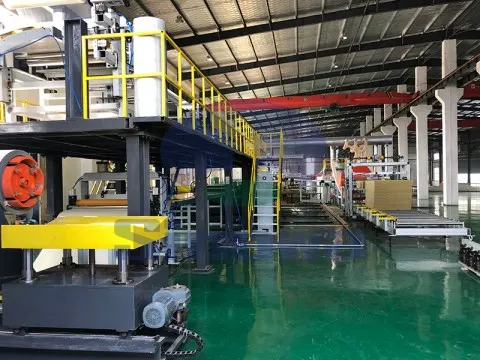
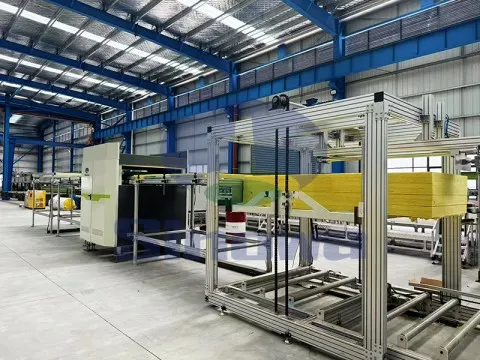
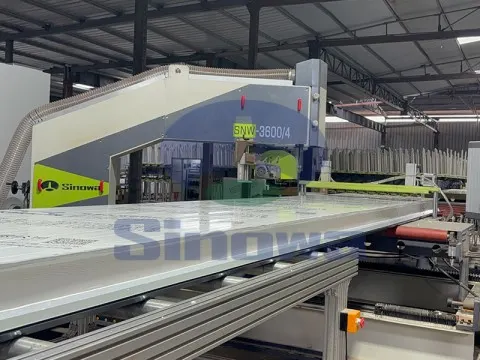
Tags: rock wool panel production machinery, rock wool panel production machinery manufacturer, rock wool panel production machinery supplier, china rock wool panel production machinery, rock wool panel production machinery for sale
https://www.sandwichpanelmachinery.com/blog/rock-wool-panel-production-machinery.html
-
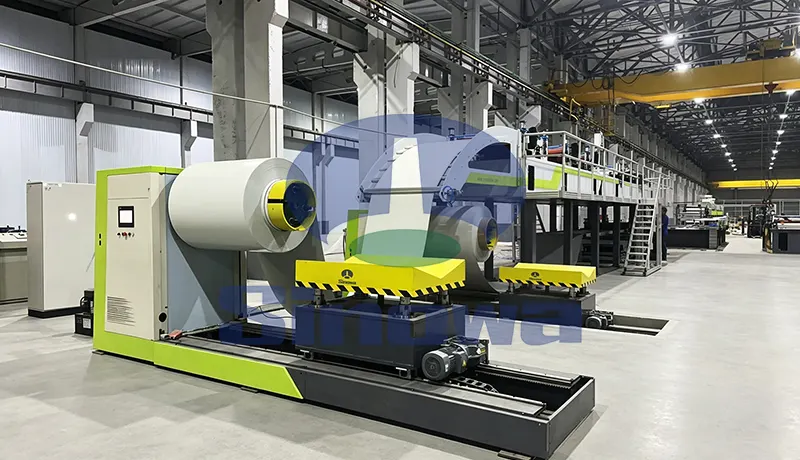
The PU sandwich panel line is a core production setup for making high-performance building insulation panels. This professional PU sandwich panel production line features automated operation to streamline the whole manufacturing process efficiently. Every component of the polyurethane sandwich panel line is precisely calibrated to ensure consistent panel thickness and structural stability. A well-maintained polyurethane sandwich panel production line can greatly boost production efficiency while reducing manual operation errors. The continuous PU sandwich panel line adapts to diverse production demands for different panel sizes and surface styles. With advanced molding technology, the PIR sandwich panel line produces panels with excellent heat preservation and sound insulation properties. Stable running of the PIR sandwich panel production line guarantees reliable product quality for various construction and industrial application scenarios.
-
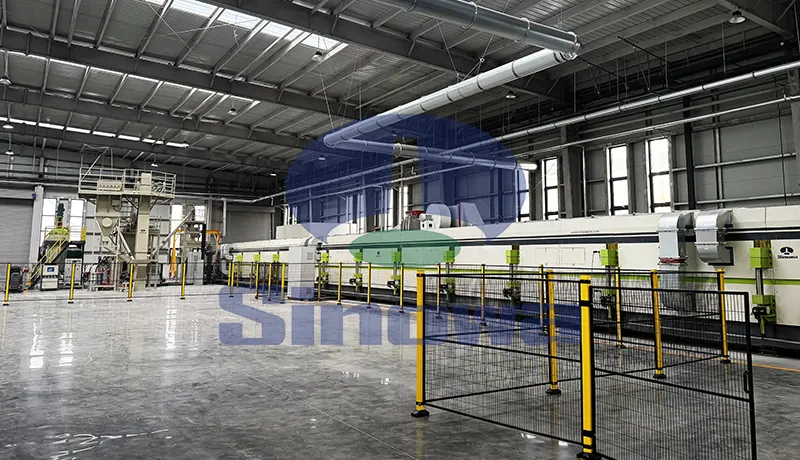
A phenolic insulation board production line serves as the core equipment for manufacturing high-performance thermal insulation building materials. This phenolic insulation panel production line integrates material mixing, foaming, molding and cutting processes to ensure continuous and stable production efficiency. Every operational link of the insulation board production line is precisely calibrated to produce uniform and durable insulation boards. The automated design of the insulation panel production line effectively reduces manual intervention and improves product consistency. Proper maintenance of the phenolic board production line can greatly extend its service life and maintain steady production output. With optimized structural design, the phenolic panel production line adapts to various production demands and delivers high-quality finished products for thermal insulation engineering applications.
-
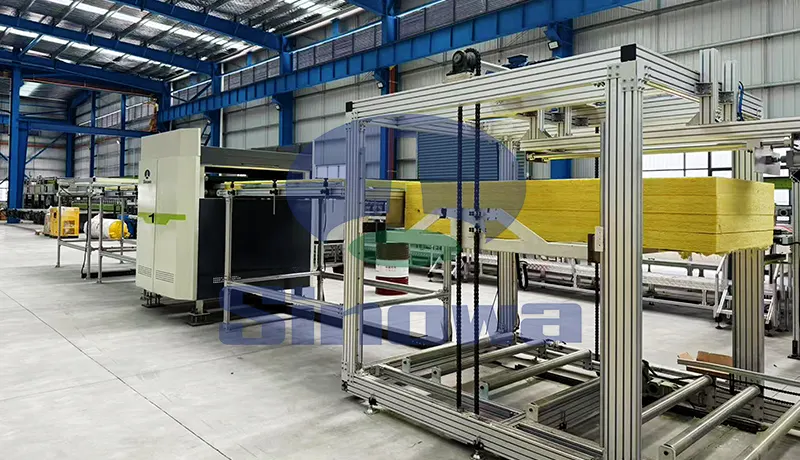
A professional rockwool sandwich panel line serves as the core equipment for producing high-performance building panels. This rockwool sandwich panel production line integrates feeding, laminating and forming processes to ensure stable and efficient production. The well-structured rock wool sandwich panel line can process raw rockwool materials into panels with excellent thermal and sound insulation properties. Operators can adjust the running parameters of the rock wool sandwich panel production line to manufacture panels of different thicknesses and specifications. The automated design of the mineral wool sandwich panel production line greatly reduces manual operation errors and improves product consistency. Regular maintenance of the mineral wool sandwich panel line is essential to sustain long-term operational efficiency and guarantee qualified finished panels for diverse construction applications.