Exterior Wall Rockwool Panel Production Line
Publication Date: Oct 9, 2026
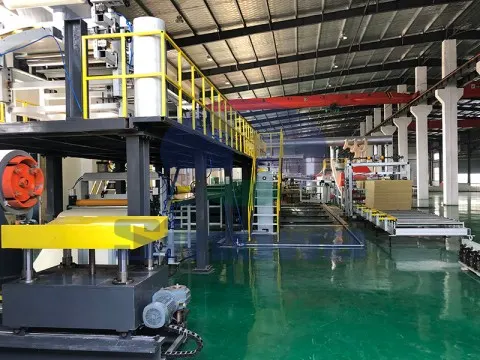
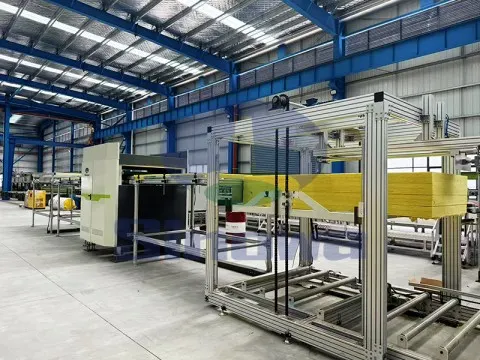
This automated production line manufactures high-performance exterior wall rockwool panels. It features full-process integrated processing for stable, durable, fireproof and thermal-insulating building facade materials.
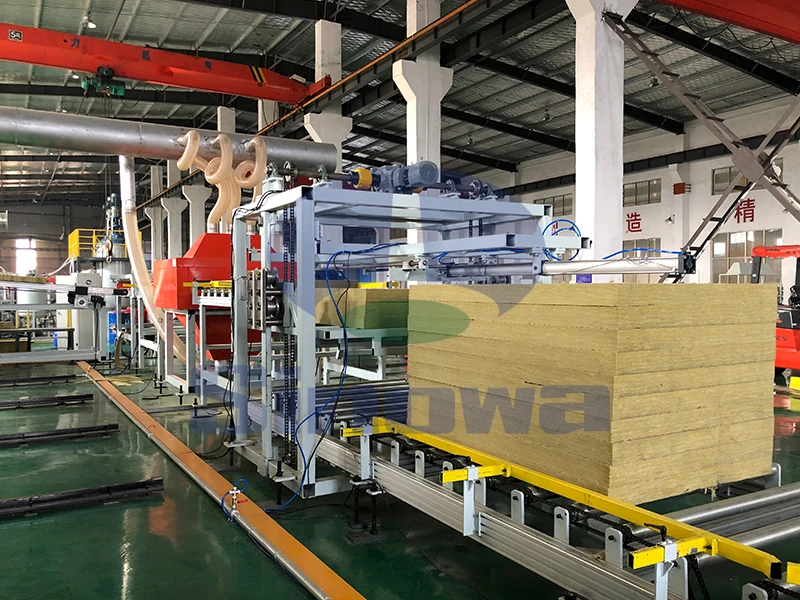
The exterior wall rockwool panel production line is a fully integrated automated manufacturing system tailored for modern building facade material production, covering complete processing procedures from raw material pretreatment to finished product stacking. Designed to adapt to large-scale industrial production needs, the line combines mechanical automation and intelligent parameter control to eliminate unstable factors caused by manual operation in traditional production modes. Every functional unit in the line achieves synchronous linkage operation, ensuring each production link is closely connected without stagnation or parameter deviation. The modular structural design of the equipment not only simplifies daily operation and management but also facilitates regular maintenance and rapid fault inspection, effectively improving the overall operational stability of the production system. This systematic production mode lays a solid foundation for the consistent quality of exterior wall rockwool panels, making the finished products highly adaptable to various building exterior decoration and insulation scenarios.
Raw material pretreatment serves as the initial core link of the entire production workflow, which directly determines the basic performance of finished rockwool panels. The production line is equipped with professional raw material batching and conveying modules that realize uniform proportioning and continuous feeding of bulk mineral raw materials. Before entering the melting process, the system automatically screens and removes impurities from raw materials to avoid foreign matter affecting the internal structure and performance of rockwool fibers. Meanwhile, the equipment can adjust raw material proportioning parameters according to different production demands, flexibly matching the density and structural requirements of exterior wall panels. The closed feeding and pretreatment structure effectively reduces material waste and dust pollution, realizing clean production while improving raw material utilization efficiency. Standardized pretreatment processing ensures the subsequent melting and fiber forming processes are carried out in a stable state.
High-temperature melting and centrifugal fibrosis are key processes that shape the core thermal insulation and fireproof performance of rockwool panels. After pretreatment, qualified raw materials are sent into the high-temperature melting equipment for full melting, which reconstructs the physical structure of raw materials to form uniform molten slurry. The molten slurry is then sent to high-speed centrifugal equipment, which throws the slurry into fine inorganic fibers through high-speed rotation. This fiber forming technology can produce uniform and slender rockwool fibers with excellent toughness and structural stability. During the fibrosis process, the equipment maintains constant operating parameters to ensure consistent fiber thickness and length, avoiding uneven performance of finished products caused by fiber differences. A small amount of high-performance thermosetting adhesive is evenly mixed with fibers in this stage to enhance the bonding tightness between subsequent fiber layers.
Fiber lapping and wool felt forming processes determine the flatness and structural uniformity of rockwool panel cores. The rockwool sandwich panel production line adopts automatic reciprocating lapping technology to lay rockwool fibers layer by layer in an orderly manner, forming a uniform and fluffy wool felt structure. Different from manual lapping and simple mechanical laying, the intelligent lapping system can adjust laying density and thickness in real time according to production settings, ensuring the overall thickness and density of the wool felt are consistent without local hollow or uneven thickness. The layered laying structure enables the rockwool core to form a three-dimensional stable structure, which significantly improves the sound insulation and thermal insulation effects of the panel. After lapping, the preliminary wool felt is trimmed preliminarily to remove irregular edges, creating a neat foundation for subsequent composite molding processing.
Precision gluing and composite molding are critical links that integrate rockwool core and metal exterior panels into a complete product. The production line is equipped with an intelligent micro-pressure gluing system, which adopts quantitative flow control technology to evenly coat high-performance adhesive on the bonding surface of metal plates. This high-precision gluing mode avoids the problems of uneven glue application, excessive glue waste or insufficient bonding force in traditional gluing processes. The system can automatically adjust glue amount and coating spacing according to panel specifications, ensuring firm and durable bonding between metal plates and rockwool cores. After gluing, the rockwool core and double-layer metal plates are accurately aligned and compounded through positioning equipment to form an integrated semi-finished panel structure with stable overall performance.
Constant-temperature pressure curing is an essential process to stabilize the overall structure and bonding performance of composite panels. The compounded semi-finished panels are sent to the constant-temperature curing equipment for continuous pressure and temperature maintenance treatment. The stable constant-temperature and constant-pressure environment enables the internal adhesive to fully cure and solidify, maximizing the bonding strength between rockwool core and metal panels and avoiding delamination or cracking in subsequent use. The curing time and temperature parameters can be intelligently adjusted according to panel thickness and structural specifications, ensuring each batch of products achieves the best curing effect. This process effectively enhances the overall structural stability and service durability of exterior wall panels, enabling them to adapt to complex outdoor building environments.
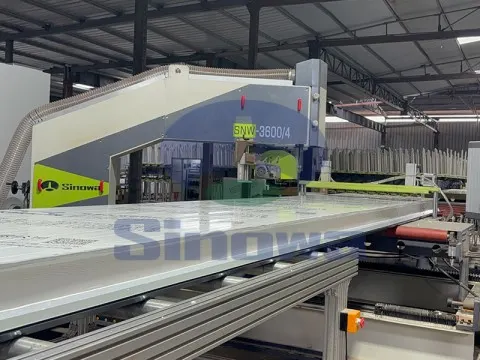
Fixed-length cutting and edge finishing processes realize the standardized sizing of finished exterior wall rockwool panels. After curing, the continuous integrated panel is conveyed to the precision cutting unit, which adopts automatic numerical control cutting technology to complete fixed-length cutting according to preset size parameters. The high-precision cutting equipment ensures neat and smooth cutting sections without burrs or irregular deviations, meeting the precise size requirements of building exterior wall installation. Subsequent edge trimming and chamfering processes optimize the edge structure of panels, avoiding edge damage during transportation and installation. Meanwhile, the production line can flexibly switch cutting parameters to produce panels of different sizes, meeting the diversified specification demands of different building projects.
Surface finishing and quality inspection work together to guarantee the high-quality performance of finished panels. After cutting and finishing, the panels undergo automatic surface treatment to remove residual impurities and fine burrs on the surface, optimizing the flatness and appearance of the panel surface. The built-in intelligent detection system of the production line conducts real-time monitoring on key indicators including panel thickness, flatness, bonding tightness and internal density uniformity. Unqualified products will be automatically screened out and isolated to prevent defective products from entering the finished product link. The whole inspection process is completed by automated equipment, which improves detection efficiency and accuracy compared with manual inspection, realizing full-quality control of production.
Finished product conveying and automatic stacking realize the efficient closing of the production process. Qualified panels are stably conveyed to the finished product area through the automatic conveying system, and the intelligent stacking equipment completes orderly stacking and arrangement according to fixed specifications. The automated stacking mode ensures neat and standardized stacking of finished products, which is convenient for subsequent transportation, storage and loading operations. In addition, the production line is equipped with a waste recycling mechanism, which recycles and reprocesses the leftover materials generated in the cutting and finishing processes. This cyclic utilization mode effectively reduces production material consumption, lowers overall production costs and improves the environmental protection performance of the entire production process.
The automated operation advantage of the rock wool sandwich panel production line brings comprehensive improvements in production efficiency and product performance. The full-process intelligent control realizes unmanned operation of key production links, greatly reducing labor input and human operation errors. The unified and stable production parameters ensure that the fire resistance, thermal insulation, sound insulation and structural strength of each batch of exterior wall rockwool panels remain consistent. The panels produced by this line have the characteristics of light weight, high strength, moisture resistance and weather resistance, which can reduce the self-weight load of building structures and adapt to long-term outdoor wind and rain erosion. With strong production flexibility and stable operation performance, the production line has become core equipment for the mass production of high-quality building exterior wall insulation and decorative panels.
Gallery of Exterior Wall Rockwool Panel Production Line
Tags: exterior wall rockwool panel production line, exterior wall rockwool panel production line manufacturer, exterior wall rockwool panel production line supplier, china exterior wall rockwool panel production line, exterior wall rockwool panel production line for sale
https://www.sandwichpanelmachinery.com/blog/exterior-wall-rockwool-panel-production-line.html
-
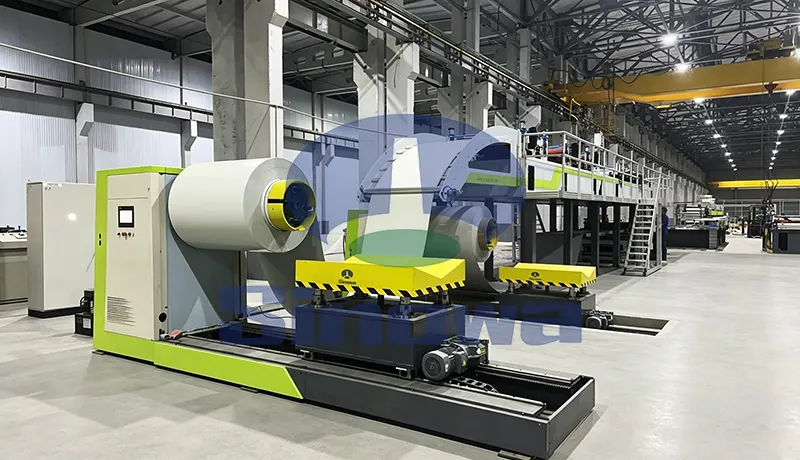
The PU sandwich panel line is a core production setup for making high-performance building insulation panels. This professional PU sandwich panel production line features automated operation to streamline the whole manufacturing process efficiently. Every component of the polyurethane sandwich panel line is precisely calibrated to ensure consistent panel thickness and structural stability. A well-maintained polyurethane sandwich panel production line can greatly boost production efficiency while reducing manual operation errors. The continuous PU sandwich panel line adapts to diverse production demands for different panel sizes and surface styles. With advanced molding technology, the PIR sandwich panel line produces panels with excellent heat preservation and sound insulation properties. Stable running of the PIR sandwich panel production line guarantees reliable product quality for various construction and industrial application scenarios.
-
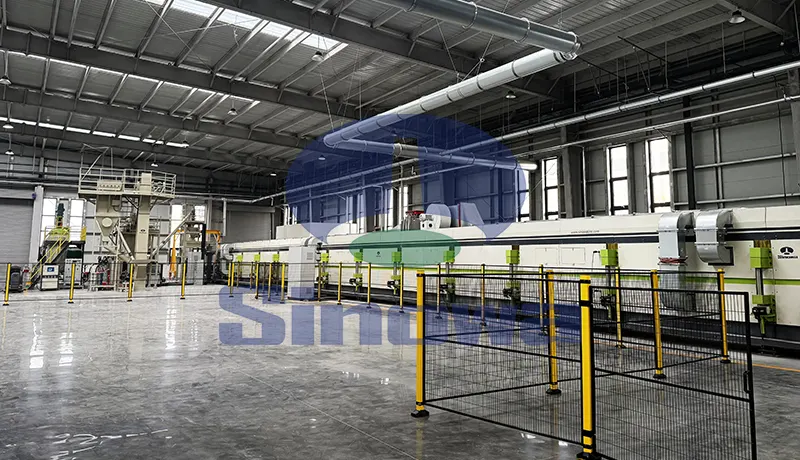
A phenolic insulation board production line serves as the core equipment for manufacturing high-performance thermal insulation building materials. This phenolic insulation panel production line integrates material mixing, foaming, molding and cutting processes to ensure continuous and stable production efficiency. Every operational link of the insulation board production line is precisely calibrated to produce uniform and durable insulation boards. The automated design of the insulation panel production line effectively reduces manual intervention and improves product consistency. Proper maintenance of the phenolic board production line can greatly extend its service life and maintain steady production output. With optimized structural design, the phenolic panel production line adapts to various production demands and delivers high-quality finished products for thermal insulation engineering applications.
-
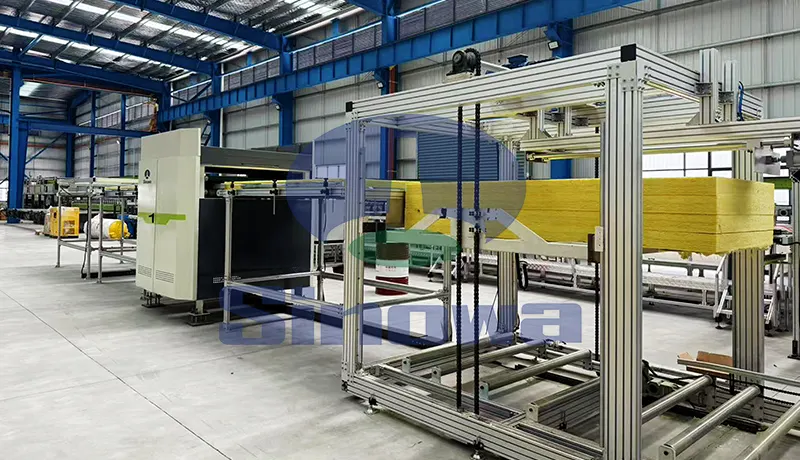
A professional rockwool sandwich panel line serves as the core equipment for producing high-performance building panels. This rockwool sandwich panel production line integrates feeding, laminating and forming processes to ensure stable and efficient production. The well-structured rock wool sandwich panel line can process raw rockwool materials into panels with excellent thermal and sound insulation properties. Operators can adjust the running parameters of the rock wool sandwich panel production line to manufacture panels of different thicknesses and specifications. The automated design of the mineral wool sandwich panel production line greatly reduces manual operation errors and improves product consistency. Regular maintenance of the mineral wool sandwich panel line is essential to sustain long-term operational efficiency and guarantee qualified finished panels for diverse construction applications.