How To Maintain Constant Temperature For Polyurethane Sandwich Panel Production Line Heating System?
Publication Date: Oct 8, 2026
Stable heating temperature is critical for PU sandwich panel quality. This article shares practical, systematic methods to sustain consistent heating system temperature in production lines.
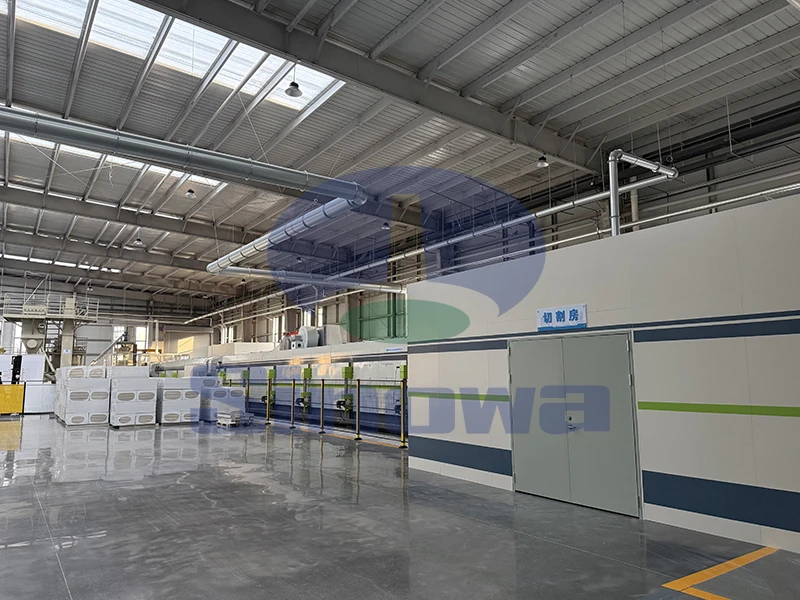
Maintaining a stable temperature in the heating system of a polyurethane sandwich panel production line is the core prerequisite for ensuring uniform foaming, firm lamination, and stable physical performance of finished panels. Polyurethane materials undergo precise chemical foaming and curing reactions during production, and even minor temperature fluctuations can lead to uneven core density, weak interlayer bonding, surface warping, or incomplete curing of panels. The heating system undertakes the key task of providing a constant thermal environment for material reaction and structural shaping throughout continuous production. Unlike intermittent processing equipment, continuous production lines require long-term, stable thermal output without obvious temperature deviation in different working zones. Therefore, targeted maintenance and scientific regulation of the heating system are essential to eliminate temperature instability risks caused by equipment operation, environmental changes, and component aging, so as to keep the production process consistent and product quality unified in mass production.
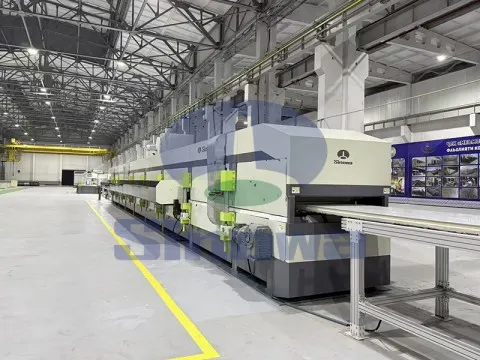
Optimizing the zoning temperature control structure is the foundational step to maintain constant heating temperature for polyurethane sandwich panel production lines. Modern production line heating and curing tunnels adopt a fully enclosed thermal insulation structure, which can effectively reduce external heat exchange and avoid temperature loss caused by air convection. The internal heating area is divided into multiple independent temperature control zones according to the foaming and curing cycle of polyurethane materials, matching the different heat demand characteristics of materials in initial foaming, intermediate curing and final shaping stages. Each independent zone is equipped with dedicated heating components and high-sensitivity temperature sensing units, which can independently set thermal parameters and realize precise regional temperature regulation. This graded zoning control mode avoids the common problem of overall temperature deviation in single-zone heating systems, prevents local overheating that causes foam cracking or insufficient heating that leads to incomplete curing, and lays a structural foundation for the overall constant temperature of the production line heating system.
Real-time temperature monitoring and dynamic parameter adjustment are key measures to suppress subtle temperature fluctuations in daily production. High-precision temperature sensors arranged evenly in the heating tunnel can continuously collect temperature data of each functional zone and transmit real-time signals to the intelligent control terminal. The control system compares the collected real-time data with the preset standard temperature range and automatically triggers fine adjustment of heating power when slight deviations occur. In actual continuous production, factors such as continuous material feeding, running speed changes of the conveyor belt, and heat absorption of raw materials will cause minor thermal changes in the heating cavity. Timely dynamic adjustment can quickly correct these subtle deviations to ensure that the temperature of each production link always stays within the optimal reaction range. Regular inspection of sensor sensitivity is also necessary to avoid data distortion caused by sensor drift or dust coverage, which may lead to inaccurate temperature regulation.
Regular cleaning and maintenance of heating components effectively avoids temperature instability caused by equipment failure. Long-term continuous operation of the production line will lead to the accumulation of dust, polyurethane foam residues and debris on the surface of heating pipes, heating plates and heat circulation components. These attachments will form a thermal insulation layer, hindering normal heat conduction and resulting in uneven local heat output, which further causes temperature difference in the heating cavity. Production staff need to formulate a fixed cleaning cycle to thoroughly remove surface attachments of heating components and ensure unobstructed heat radiation and circulation. At the same time, check the aging and damage of heating components regularly, replace failed heating units in a timely manner, and eliminate hidden dangers of insufficient heat supply or local overheating caused by component attenuation. Standardized component maintenance can ensure stable and consistent heat output efficiency of the heating system for a long time.
Stabilizing the thermal insulation performance of the heating system enclosure is crucial to reduce passive temperature fluctuations. The outer wall and sealing structure of the heating tunnel are the main barriers to isolate the internal thermal environment from the external ambient environment. Long-term operation, equipment vibration and frequent start-stop will cause aging, deformation or gap leakage of thermal insulation materials and sealing strips, leading to internal heat loss and slow temperature drop. In daily maintenance, it is necessary to regularly check the integrity of the thermal insulation layer of the heating tunnel wall, repair and replace aging and falling thermal insulation fillers, and tighten the loose sealing structures at the inlet and outlet of the conveyor belt. A closed and complete thermal insulation structure can minimize the interference of external temperature changes, air flow and other environmental factors on the internal heating environment, maintain the balance of internal heat, and greatly reduce the difficulty of constant temperature control of the system.
Coordinating production line operating speed and heating temperature parameters helps maintain consistent thermal curing effects. The running speed of the conveyor belt directly determines the residence time of semi-finished panels in the constant temperature heating zone. Excessively fast operating speed will lead to insufficient material heating and incomplete curing reaction, while too slow speed will cause overheating of polyurethane core materials and affect product structural stability. In actual production, it is necessary to match the optimal heating temperature range according to the production speed and panel specifications, and form a stable parameter matching mechanism. When adjusting production speed or switching panel specifications, the heating system temperature should be fine-tuned synchronously instead of keeping fixed parameters mechanically. This collaborative regulation mode ensures that each batch of panels can obtain consistent thermal reaction conditions, avoiding product quality differences caused by mismatched speed and temperature, and realizing dynamic constant temperature control suitable for production changes.
Maintaining stable heat circulation efficiency optimizes the uniformity of the overall temperature field of the heating system. Most polyurethane sandwich panel production line heating systems adopt circulating heat conduction design, which relies on internal circulation equipment to realize uniform heat distribution in the heating cavity and avoid local temperature dead zones. Long-term operation may cause abnormal operation of circulation fans and pipeline blockage of heat conduction systems, resulting in unsmooth heat circulation and uneven temperature distribution in different corners of the heating tunnel. Staff need to regularly check the operating state of heat circulation equipment, test the wind speed and heat conduction efficiency of each area, and clean blocked circulation pipelines and ventilation structures in a timely manner. Ensuring the normal operation of the heat circulation system can make the heat in the heating cavity fully mixed and evenly distributed, eliminate regional temperature differences, and realize the overall constant temperature effect of the heating space.
Scientific preheating and start-up management effectively prevents temperature instability in the initial stage of production. Many temperature fluctuation problems of production lines occur during equipment start-stop and state switching. When the heating system is started after shutdown, blind high-power heating will cause rapid temperature rise and overshoot, while insufficient preheating will lead to low initial temperature and unstable reaction environment. Standardized start-up procedures require segmented preheating of the heating system, gradually increasing heating power to make the internal temperature rise steadily and reach the preset stable range. After the temperature is stabilized, formal feeding production is carried out. In addition, during short-term shutdown and standby of the equipment, the system can be kept in a low-power constant temperature holding state to avoid repeated temperature rise and fall, reduce equipment operation loss, and maintain the continuity and stability of the thermal environment for subsequent production.
Regular system calibration and parameter optimization ensure long-term accurate constant temperature control. After long-term operation, the temperature detection and control system will have subtle parameter drift, resulting in deviation between actual temperature and displayed temperature, which affects the accuracy of constant temperature regulation. It is necessary to regularly calibrate the temperature sensing system and control program of the production line, correct drift data, and ensure that the system can accurately monitor and adjust the internal temperature. Combined with the actual production effect, the temperature parameters of each zoning are continuously optimized, and the optimal temperature matching scheme is summarized according to different raw material formulas and panel production requirements. Timely system calibration and parameter iteration can eliminate cumulative errors caused by long-term operation of the equipment and keep the heating system in the best constant temperature working state for a long time.
Standardizing daily operation and establishing a temperature monitoring log form a long-term guarantee for constant temperature maintenance. Manual irregular operation is also one of the important factors causing temperature fluctuations. It is necessary to formulate unified operating specifications for the heating system, standardize the operation steps of parameter adjustment, equipment start-stop and state switching, and prohibit arbitrary modification of heating parameters by staff. At the same time, arrange special personnel to record the real-time temperature data of each heating zone, equipment operation state and parameter adjustment records every day. By sorting out and analyzing daily monitoring data, potential temperature fluctuation rules and equipment hidden dangers can be found in advance, and targeted maintenance and parameter optimization can be carried out. Perfect daily management can form a closed-loop maintenance mechanism for heating system constant temperature, ensuring stable and reliable long-term production operation.
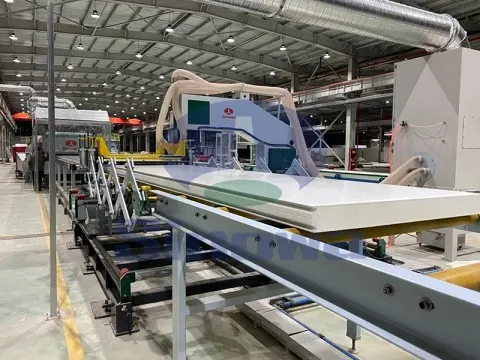
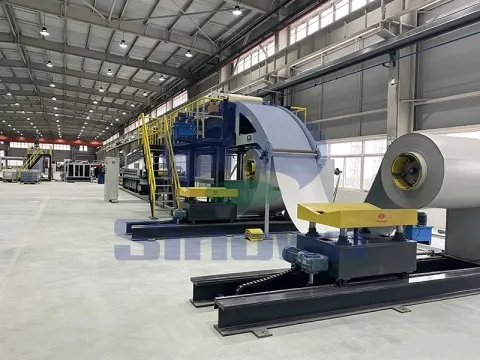
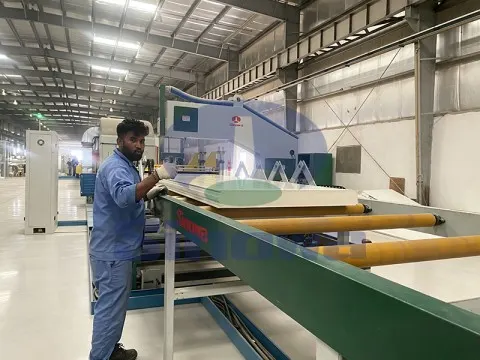
Gallery of Polyurethane Sandwich Panel Production Line
Tags: polyurethane sandwich panel production line, polyurethane sandwich panel production line manufacturer, polyurethane sandwich panel production line supplier, china polyurethane sandwich panel production line, polyurethane sandwich panel production line for sale
-
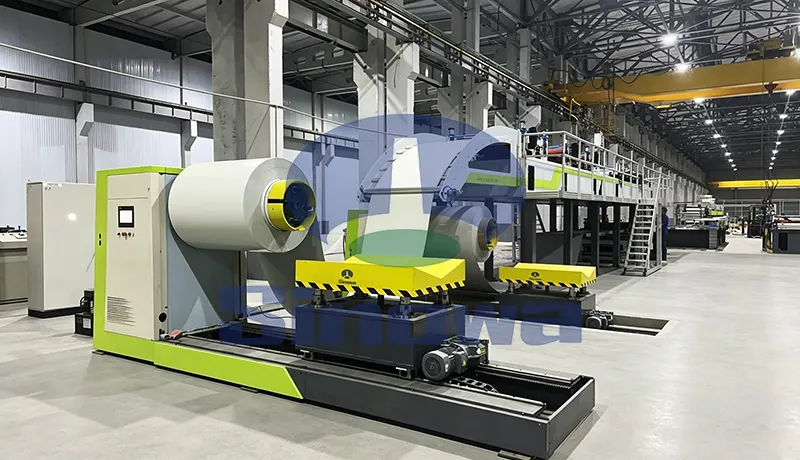
The PU sandwich panel line is a core production setup for making high-performance building insulation panels. This professional PU sandwich panel production line features automated operation to streamline the whole manufacturing process efficiently. Every component of the polyurethane sandwich panel line is precisely calibrated to ensure consistent panel thickness and structural stability. A well-maintained polyurethane sandwich panel production line can greatly boost production efficiency while reducing manual operation errors. The continuous PU sandwich panel line adapts to diverse production demands for different panel sizes and surface styles. With advanced molding technology, the PIR sandwich panel line produces panels with excellent heat preservation and sound insulation properties. Stable running of the PIR sandwich panel production line guarantees reliable product quality for various construction and industrial application scenarios.
-
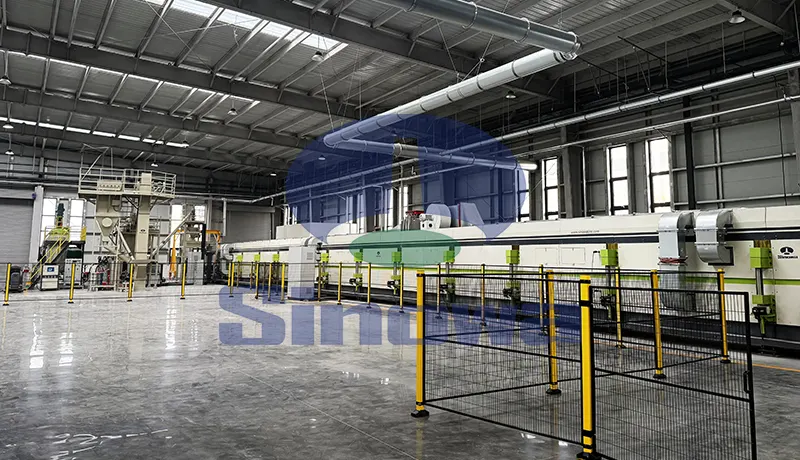
A phenolic insulation board production line serves as the core equipment for manufacturing high-performance thermal insulation building materials. This phenolic insulation panel production line integrates material mixing, foaming, molding and cutting processes to ensure continuous and stable production efficiency. Every operational link of the insulation board production line is precisely calibrated to produce uniform and durable insulation boards. The automated design of the insulation panel production line effectively reduces manual intervention and improves product consistency. Proper maintenance of the phenolic board production line can greatly extend its service life and maintain steady production output. With optimized structural design, the phenolic panel production line adapts to various production demands and delivers high-quality finished products for thermal insulation engineering applications.
-
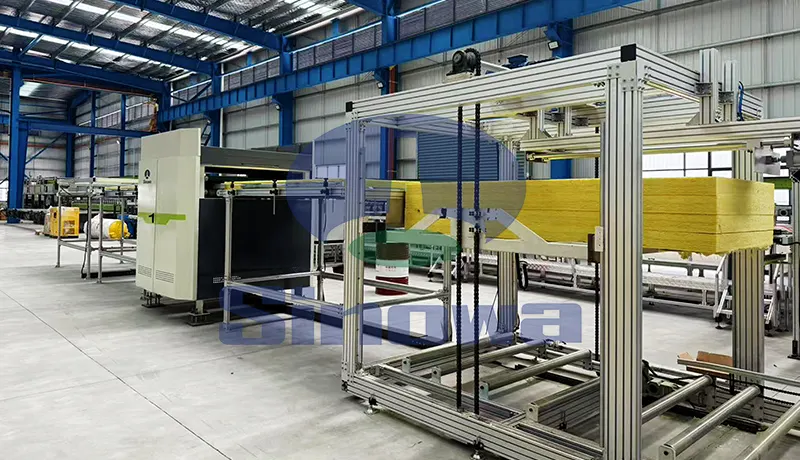
A professional rockwool sandwich panel line serves as the core equipment for producing high-performance building panels. This rockwool sandwich panel production line integrates feeding, laminating and forming processes to ensure stable and efficient production. The well-structured rock wool sandwich panel line can process raw rockwool materials into panels with excellent thermal and sound insulation properties. Operators can adjust the running parameters of the rock wool sandwich panel production line to manufacture panels of different thicknesses and specifications. The automated design of the mineral wool sandwich panel production line greatly reduces manual operation errors and improves product consistency. Regular maintenance of the mineral wool sandwich panel line is essential to sustain long-term operational efficiency and guarantee qualified finished panels for diverse construction applications.