PU Insulated Panel Machine
Publication Date: Oct 6, 2026
PU insulated panel machine is automated industrial equipment for producing polyurethane sandwich insulation panels. It integrates material processing, foaming, lamination and shaping, delivering high-performance building panels widely used in insulation and construction fields.
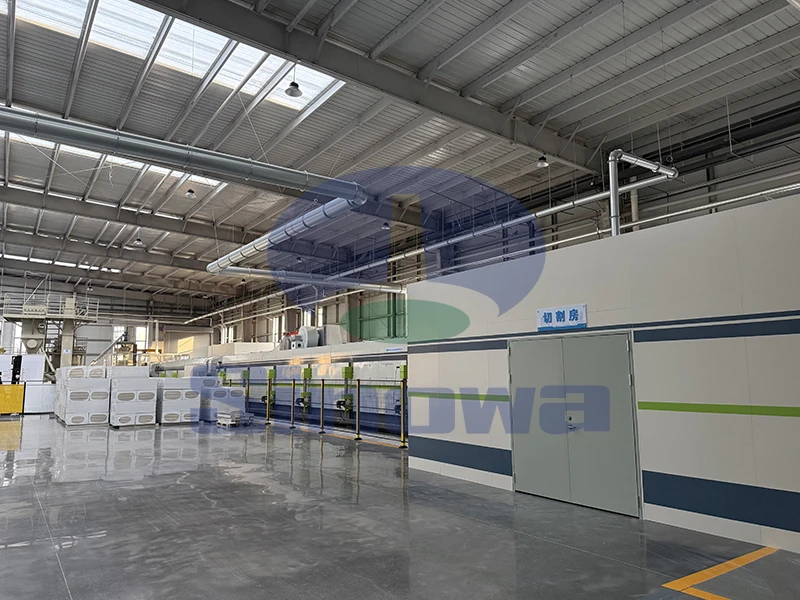
PU insulated panel machines represent a core piece of automated manufacturing equipment dedicated to the continuous production of polyurethane composite insulation panels, which have become indispensable materials in modern construction and industrial insulation sectors. Unlike traditional manual or semi-automatic processing equipment, this integrated machine system unifies multiple independent production procedures into one streamlined workflow, eliminating intermittent operation gaps and human-induced production errors. The equipment is engineered to process rigid polyurethane foam as the core thermal insulation material, compounded with diverse surface substrates to form integrated sandwich panels with excellent structural stability and thermal insulation properties. Its design logic centers on precise material reaction control and standardized panel forming, enabling consistent mass production of high-quality insulation panels that adapt to complex application environments. With the growing demand for energy-efficient building materials and industrial thermal insulation solutions, this machinery has gradually replaced outdated production methods, becoming the mainstream choice for panel manufacturing due to its high efficiency, stable output and flexible production adaptability.
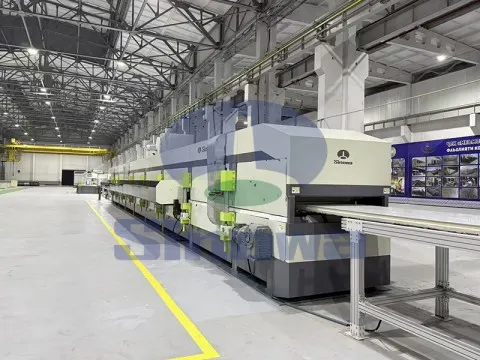
The basic working principle of PU insulated sandwich panel machines relies on the precise chemical reaction and physical forming process of polyurethane raw materials during automated operation. The entire production process starts with the accurate proportioning of liquid polyurethane raw materials, where core chemical components are mixed under constant pressure and temperature conditions inside a professional mixing station. This controlled mixing process triggers a uniform foaming reaction, allowing the polyurethane material to expand steadily and fill the gap between upper and lower surface substrates without forming internal voids or uneven density areas. After foaming, the composite material enters the closed conveyor system, where adjustable upper and lower belt groups maintain a fixed spacing to calibrate panel thickness and ensure flat surface forming. Subsequent curing and setting procedures stabilize the internal molecular structure of the polyurethane foam, locking in the closed-cell structure that endows the panel with superior thermal insulation performance. Every link of the working process is coordinated by automated control systems, realizing seamless connection from raw material feeding to preliminary panel forming and ensuring the uniformity of each finished product.
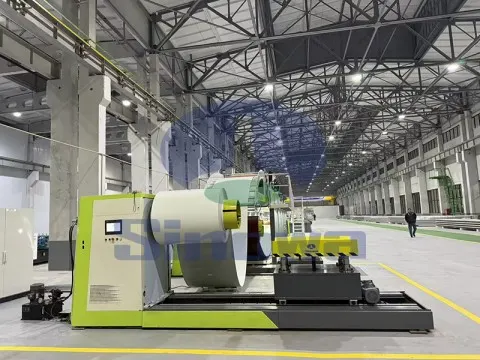
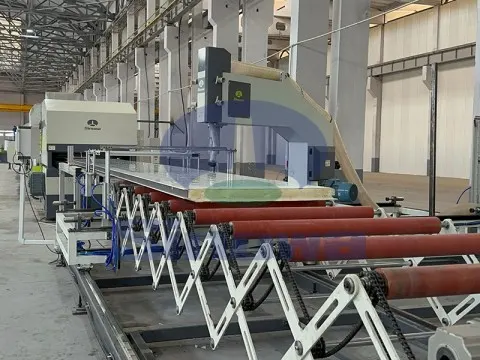
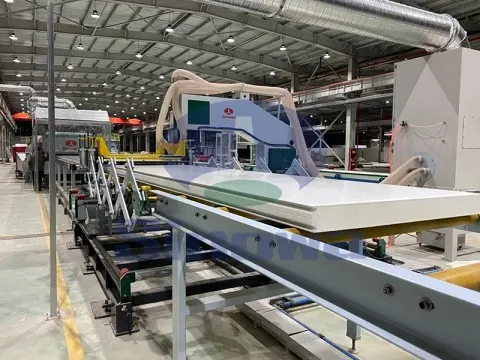
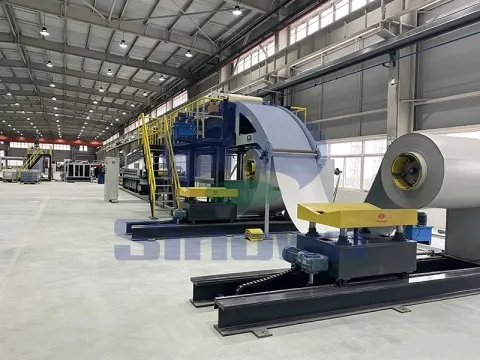
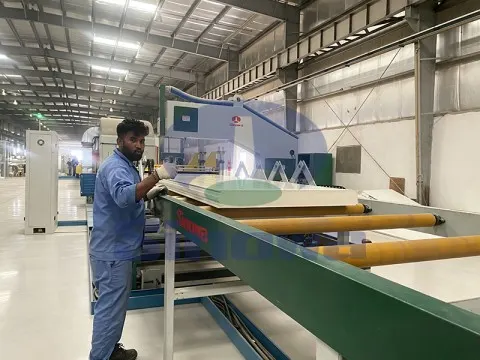
A complete PU insulated sandwich panel making machine consists of multiple functional modules, each undertaking independent and collaborative production tasks to support integrated operation. The surface material processing module is responsible for unwinding, straightening and profiling metal or composite substrates, ensuring the flatness and dimensional accuracy of panel surface layers. The core foaming and pouring module serves as the heart of the equipment, featuring high-pressure mixing devices that guarantee precise raw material ratio and uniform foaming effect. The continuous lamination and conveying module adopts double-belt transmission structure, which can stably clamp composite materials and adjust forming thickness according to production requirements. In addition, the automatic cutting and finishing module realizes fixed-length cutting and edge trimming of formed panels, while the intelligent control module uniformly regulates the operating parameters of all modules. These functional units work in tandem to complete the whole production process, and each module supports parameter adjustment to adapt to different panel specifications, greatly improving the equipment’s production flexibility.
One of the most prominent advantages of PU insulated sandwich panel production machines is their outstanding production efficiency and batch production stability. The fully automated continuous production mode completely breaks the limitations of discontinuous manual production, enabling non-stop batch processing of insulation panels. The equipment can maintain a stable production speed for a long time, effectively shortening the production cycle of single panels and greatly improving overall output capacity. Meanwhile, the intelligent parameter control system avoids the instability of manual operation, ensuring consistent thickness, density and thermal insulation performance of each batch of panels. The closed foaming environment of the machine effectively reduces material waste caused by uneven foaming and overflow, improving the utilization rate of polyurethane raw materials. In addition, the integrated production process reduces intermediate handling links of semi-finished products, lowers the risk of surface damage and structural deformation of panels, and significantly improves the qualified rate of finished products in industrial mass production.
The panels produced by PU insulated sandwich panel manufacturing machines possess unique structural and performance advantages, laying a solid foundation for their wide industrial application. The core polyurethane foam formed by precise machine processing has a fine and dense closed-cell structure, which gives the panels extremely low thermal conductivity and excellent heat and cold insulation effects. This structural feature can effectively block heat transfer, reduce the energy consumption of temperature-controlled spaces, and meet the energy-saving needs of various buildings and industrial facilities. The composite structure formed by the tight bonding of surface substrates and PU core material endows the panels with good compressive strength and structural toughness, enabling them to resist external impact and structural deformation during long-term use. Moreover, the panels produced by standardized machine processing have flat and neat surfaces, uniform overall specifications, and good assembly compatibility, which can realize rapid splicing and installation on construction sites, greatly improving the construction efficiency of insulation projects.
PU insulated panel machines show strong adaptability in production specification adjustment, meeting the diversified customization needs of different application scenarios. The equipment’s core operating parameters, including panel thickness, foaming density and surface substrate matching, can be flexibly adjusted through the control system. It can produce thin lightweight panels suitable for interior partition insulation and thick high-strength panels applicable to building exterior walls and roof insulation. In terms of surface materials, the machine can adapt to different types of metal sheets and composite plates, realizing the production of insulation panels with different surface textures and protective properties. This flexible adjustment capability enables the equipment to switch production specifications quickly without major mechanical modification, effectively meeting the personalized production demands of small-batch and multi-specification orders. It also allows manufacturers to respond rapidly to market changes and expand the coverage of product applications.
The application scope of products manufactured by PU insulated board machines covers multiple key fields of modern industry and construction. In the construction industry, the panels are widely used in the thermal insulation and waterproof decoration of industrial plant walls, roofs and exterior walls of commercial buildings, providing stable energy-saving protection for building envelopes. In cold chain logistics and refrigeration industries, the high-efficiency thermal insulation performance of PU panels makes them ideal materials for cold storage walls, ceilings and partition structures, which can stably maintain low-temperature storage environments and reduce the operating load of refrigeration equipment. Additionally, these panels are applied to prefabricated modular buildings, temporary construction facilities and agricultural insulation warehouses, relying on their lightweight, easy assembly and durable characteristics to adapt to different construction and usage environments.
The intelligent and automated design of modern PU insulated panel machinery greatly reduces manual operation costs and improves production safety. The equipment is equipped with an integrated intelligent control system, which can realize one-click setting of production parameters, automatic operation of the whole process and real-time monitoring of production status. Operators only need to complete routine parameter debugging and equipment inspection work, avoiding long-term high-intensity manual operation. The machine is built with multiple safety protection mechanisms, including overload protection, abnormal material feeding alarm and closed operation protection, which effectively reduce potential safety hazards in the production process. The automated production mode also reduces human contact with chemical raw materials, improving the safety and environmental friendliness of the production process while ensuring stable production progress.
With the continuous advancement of industrial manufacturing technology, PU insulated panel machines are constantly upgrading in terms of performance and functional optimization. Modern upgraded equipment adopts more precise micro-control technology, which can realize more accurate raw material ratio and foaming control, further improving the thermal insulation performance and structural uniformity of finished panels. The optimized mechanical structure reduces equipment operation noise and energy consumption, achieving more energy-saving and environmentally friendly production. At the same time, the equipment’s intelligent monitoring function is continuously improved, enabling real-time data collection and analysis of production parameters, which facilitates timely fault diagnosis and production adjustment. These technological upgrades make the equipment more adaptable to the high-standard production requirements of modern energy-saving building materials and promote the iterative upgrading of the entire insulation panel manufacturing industry.
Looking ahead, PU insulated panel machines will maintain important industrial value with the continuous popularization of energy-saving and low-carbon building concepts. As all industries pay more attention to building energy efficiency and environmental protection performance, the market demand for high-efficiency and durable PU insulation panels will continue to rise, driving the continuous optimization and innovation of supporting production equipment. Future equipment will develop towards higher intelligence, lower energy consumption and stronger customization, realizing more efficient and flexible personalized production. While improving production efficiency and product quality, the equipment will further reduce production energy consumption and material waste, conforming to the sustainable development trend of modern manufacturing and providing more reliable technical support for the development of energy-saving construction and industrial insulation fields.
Gallery of PU Insulated Panel Machine
Tags: pu insulated panel machine, pu insulated panel machine manufacturer, pu insulated panel machine supplier, china pu insulated panel machine, pu insulated panel machine for sale
https://www.sandwichpanelmachinery.com/tags/pu-insulated-panel-machine.html
-
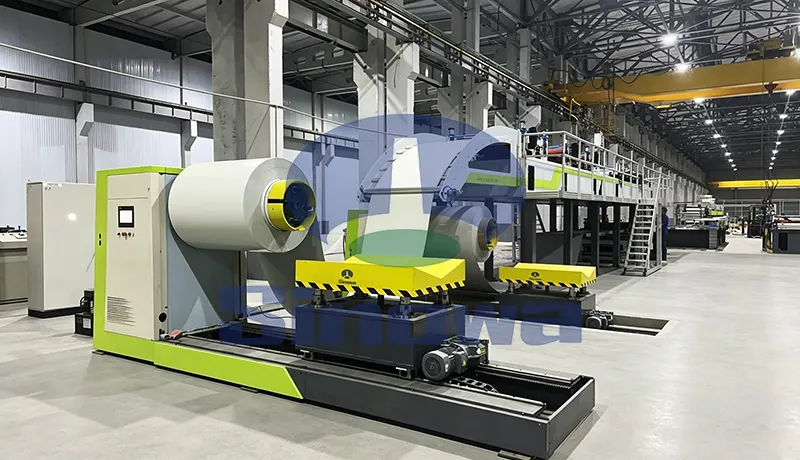
The PU sandwich panel line is a core production setup for making high-performance building insulation panels. This professional PU sandwich panel production line features automated operation to streamline the whole manufacturing process efficiently. Every component of the polyurethane sandwich panel line is precisely calibrated to ensure consistent panel thickness and structural stability. A well-maintained polyurethane sandwich panel production line can greatly boost production efficiency while reducing manual operation errors. The continuous PU sandwich panel line adapts to diverse production demands for different panel sizes and surface styles. With advanced molding technology, the PIR sandwich panel line produces panels with excellent heat preservation and sound insulation properties. Stable running of the PIR sandwich panel production line guarantees reliable product quality for various construction and industrial application scenarios.
-
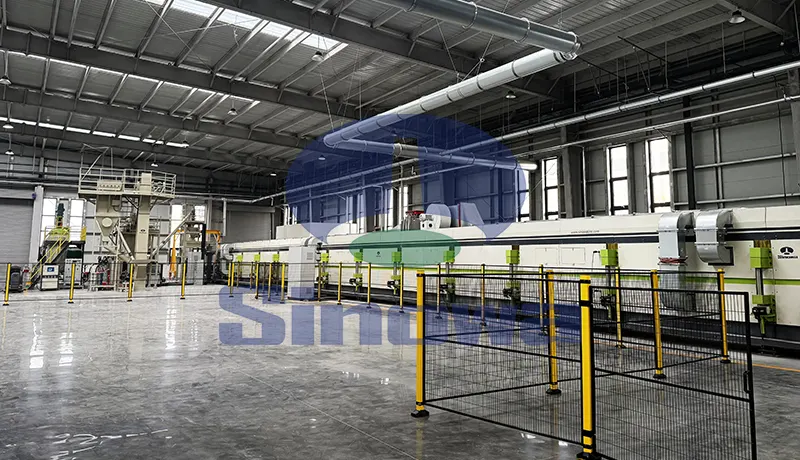
A phenolic insulation board production line serves as the core equipment for manufacturing high-performance thermal insulation building materials. This phenolic insulation panel production line integrates material mixing, foaming, molding and cutting processes to ensure continuous and stable production efficiency. Every operational link of the insulation board production line is precisely calibrated to produce uniform and durable insulation boards. The automated design of the insulation panel production line effectively reduces manual intervention and improves product consistency. Proper maintenance of the phenolic board production line can greatly extend its service life and maintain steady production output. With optimized structural design, the phenolic panel production line adapts to various production demands and delivers high-quality finished products for thermal insulation engineering applications.
-
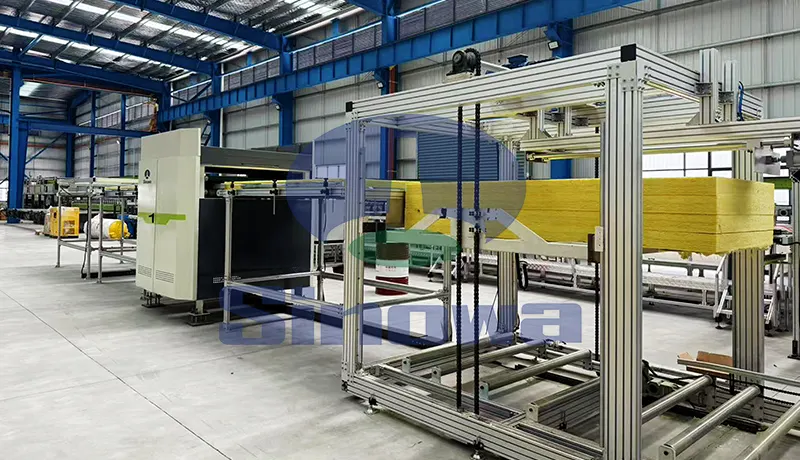
A professional rockwool sandwich panel line serves as the core equipment for producing high-performance building panels. This rockwool sandwich panel production line integrates feeding, laminating and forming processes to ensure stable and efficient production. The well-structured rock wool sandwich panel line can process raw rockwool materials into panels with excellent thermal and sound insulation properties. Operators can adjust the running parameters of the rock wool sandwich panel production line to manufacture panels of different thicknesses and specifications. The automated design of the mineral wool sandwich panel production line greatly reduces manual operation errors and improves product consistency. Regular maintenance of the mineral wool sandwich panel line is essential to sustain long-term operational efficiency and guarantee qualified finished panels for diverse construction applications.