Rockwool Wall Panel Production Line
Publication Date: Oct 6, 2026
The rockwool wall panel production line is a specialized automated manufacturing system for high-performance building insulation panels. It integrates multiple processing procedures to produce durable, fireproof and thermally insulated wall panels for modern construction projects.
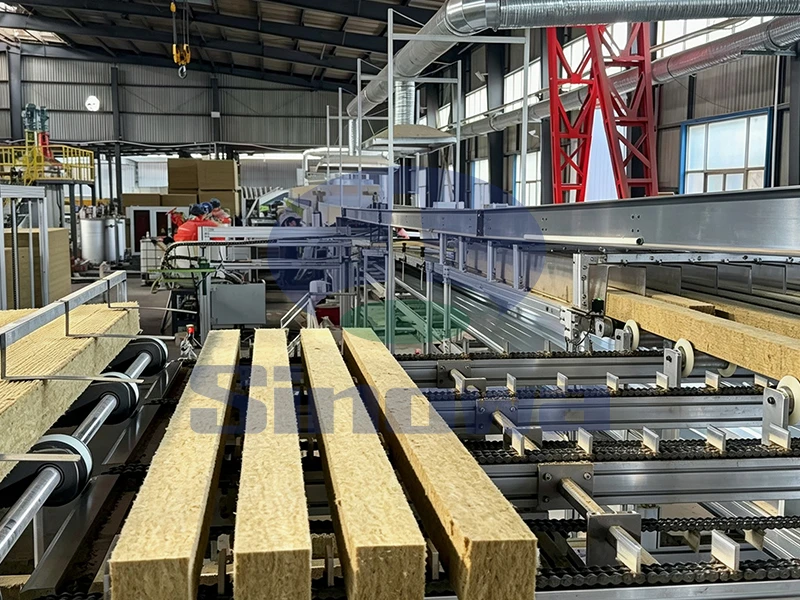
The core foundation of reliable rockwool wall panel manufacturing lies in standardized raw material preparation, the initial and most critical stage of the entire production workflow. The primary raw materials consist of natural basalt and diabase minerals, supplemented by dolomite and limestone to adjust chemical composition, along with recycled mineral slag to enhance production sustainability. Before entering formal processing, all bulk raw materials undergo strict mechanical crushing and screening to eliminate oversized particles and impurities, ensuring uniform particle size and consistent chemical proportions. Professional weighing and automatic batching systems precisely control the ratio of each material component, which directly stabilizes the physical and functional properties of the final panels. Additionally, auxiliary materials including environmental resin binders and hydrophobic additives are proportionally prepared in advance. This meticulous raw material pretreatment avoids quality fluctuations caused by uneven material composition, lays a solid foundation for subsequent fiber forming and panel lamination, and guarantees the stability of fire resistance, thermal insulation and sound insulation performance of finished rockwool wall panels.
High-temperature melting and fiberization constitute the core technological process of rockwool core material production, determining the basic structural characteristics of wall panel insulation layers. The uniformly blended mineral raw materials are continuously transported to a high-temperature cupola furnace, where they are heated to an extreme temperature range to completely melt into homogeneous silicate liquid. During the melting process, internal air bubbles and residual impurities are fully removed through constant temperature regulation and liquid stirring, ensuring the purity and uniformity of the molten liquid. The purified molten mineral liquid is then ejected at a stable flow rate and subjected to high-speed centrifugal spinning equipment. Powerful centrifugal force stretches the liquid into fine, continuous inorganic mineral fibers with uniform diameter and length. In the meantime, atomized resin binders and hydrophobic agents are evenly sprayed onto the newly formed fibers through professional spraying devices. This synchronous treatment enables the functional additives to fully adhere to the fiber surface, effectively improving the fiber aggregation stability and water repellency of the rockwool core material, and forming the basic fibrous structure required for wall panel insulation cores.
Fiber collection, curing and wool blanket forming are key procedures that shape the structural integrity of rockwool core materials. The fine mineral fibers mixed with binders are uniformly collected by a negative pressure fiber collection system, which automatically adjusts air suction volume to ensure consistent fiber accumulation density. The initially collected loose fiber layers are fluffy and uneven, so they are sent to a mechanical layering and folding device for cross-lapping and multi-layer stacking. This cross-stacking mode effectively eliminates the directional structural defects of single-layer fiber arrangement, greatly enhancing the overall tensile strength and structural uniformity of the rockwool blanket. After layering, the fiber blanket enters a constant-temperature curing tunnel for thermal curing treatment. Stable curing temperature and duration promote the full cross-linking reaction of internal resin binders, bonding scattered mineral fibers into an integrated elastic wool blanket with stable shape. The cured rockwool blanket has uniform thickness, moderate density and excellent internal structural tightness, meeting the basic forming requirements for subsequent composite wall panel processing.
Surface metal sheet decoiling and pretreatment provide high-quality outer protective layers for rockwool wall panels. The production line is equipped with automatic decoiling units that steadily release continuous metal coil materials, which serve as the upper and lower surface protective layers of composite wall panels. After decoiling, the metal sheets first pass through a leveling and calibration system to eliminate bending, warping and surface wrinkles generated during coil storage, ensuring flat and smooth sheet surfaces. Subsequently, professional surface pretreatment equipment conducts oil removal and dust removal treatment on the metal sheets to completely clean surface attachments that may affect bonding strength. The cleaned metal sheets undergo uniform preheating treatment to optimize surface activity, which significantly enhances the adhesion between metal sheets and rockwool core materials. The entire pretreatment process is fully automated with real-time parameter adjustment, ensuring consistent surface quality of each batch of metal sheets and avoiding delamination or peeling problems of finished panels in later use.
Precision gluing and composite lamination are pivotal processes that integrate metal surface layers and rockwool core layers into integrated wall panels. The production line adopts automatic high-precision gluing systems that evenly spray special high-strength environmental adhesives on the inner surfaces of preheated metal sheets and the upper and lower surfaces of rockwool blankets. The gluing amount and spraying range are intelligently controlled to avoid excessive glue overflow or local glue shortage, ensuring full and uniform bonding coverage. After gluing, the rockwool core blanket is accurately positioned between the upper and lower metal sheets through automatic feeding and positioning devices. The semi-finished composite structures are then sent to a continuous pressing and laminating machine. Under stable mechanical pressure and appropriate auxiliary temperature, the adhesive layers fully infiltrate the fiber gaps of the rockwool core and the textured surfaces of metal sheets, realizing tight integration of different material layers. The continuous lamination mode ensures consistent overall thickness and structural compactness of the composite panels, effectively improving the overall structural stability and load-bearing capacity of finished rockwool wall panels.
Side sealing and edge trimming processing optimize the structural tightness and appearance quality of rockwool wall panels. After composite lamination, the edges of preliminary formed panels have irregular burrs, uneven thickness and exposed fiber gaps, which affect installation effect and service durability. The production line is equipped with integrated edge trimming and sealing equipment to conduct precise cutting on the four sides of composite panels, removing excess edge materials and trimming panels into standard regular shapes with smooth and flat edges. For scenes requiring high airtightness and moisture resistance, the line supports automatic polyurethane side sealing treatment, which fills and seals the fiber gaps at panel edges. This sealing process effectively prevents external moisture, dust and humid air from penetrating into the rockwool core layer, avoiding fiber mildew, moisture agglomeration and performance attenuation. The integrated trimming and sealing process not only improves the aesthetic degree of wall panels but also enhances their overall weather resistance and structural sealing performance.
Constant-temperature shaping and pressure maintenance curing stabilize the final structural and functional performance of rockwool wall panels. Initially laminated composite panels have not yet completed full adhesive curing, and their internal structure is prone to deformation under external force. Therefore, the semi-finished panels are transported to a constant-temperature pressure maintenance curing area for continuous shaping treatment. The system maintains stable pressure and constant temperature environment for a fixed period, which promotes thorough curing and hardening of internal adhesives, and fully locks the integrated composite structure of metal layers and rockwool core. During the curing process, the internal stress generated during lamination and pressing is gradually released uniformly, effectively avoiding panel warping, bending and local depressions in subsequent use. This process eliminates potential structural quality hazards, stabilizes the thermal insulation, sound insulation and fire resistance properties of the panels, and ensures the long-term stable service performance of finished rockwool wall panels in complex building environments.
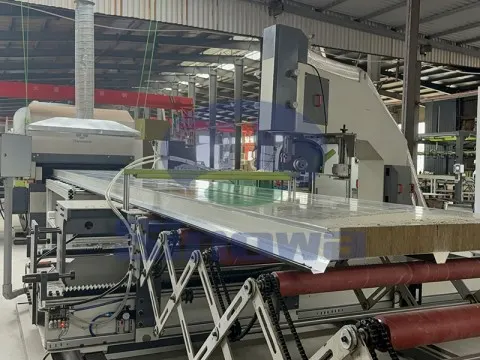
Fixed-length cutting and precise sizing realize standardized finished product specification molding. After completing curing and shaping, the integrated continuous wall panel strips enter the automatic fixed-length cutting process. The production line’s intelligent numerical control system sets precise cutting parameters according to conventional building application specifications, realizing accurate fixed-length cutting of continuous panel strips. High-precision cutting equipment adopts stable mechanical cutting structures to ensure flat and neat cutting sections without fiber scattering, metal sheet deformation or edge cracking. The system supports flexible adjustment of cutting length and width to adapt to different engineering installation requirements, realizing diversified production of wall panel specifications. In addition, the sizing process includes preliminary quality screening, automatically eliminating individual panels with obvious size deviation or surface defects. This standardized cutting and sizing procedure ensures uniform specification consistency of each batch of finished products, facilitating standardized transportation, storage and on-site installation of rockwool wall panels.
Surface finishing and defect inspection improve the overall quality and usability of finished rockwool wall panels. After sizing cutting, the panels undergo fine surface finishing treatment, including removing residual glue spots, tiny burrs and surface dust generated during production. Professional surface smoothing equipment polishes local uneven positions of metal surface layers to restore flat and smooth panel appearance. Subsequently, comprehensive manual and mechanical combined inspection is carried out, covering surface flatness, edge regularity, structural compactness and no hollow layers inside the panels. Inspectors check for subtle defects such as local delamination, incomplete sealing and surface scratches that may affect product quality. Unqualified products are screened out and reprocessed, while qualified finished panels are marked with production batches for traceability management. This meticulous finishing and inspection process effectively controls product quality, ensuring that each finished wall panel meets practical building application requirements.
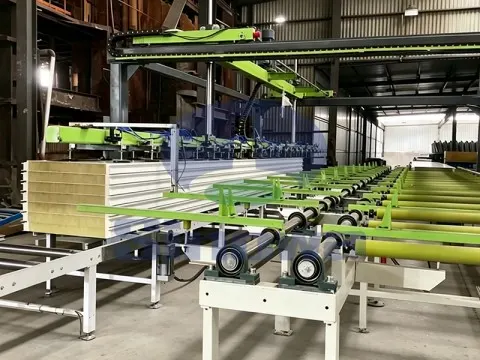
Automatic stacking and packaging realize efficient finished product storage and transportation protection. Qualified rockwool wall panels are automatically transported to the stacking and packaging station through the assembly line conveyor system. Intelligent mechanical stacking equipment orderly arranges and stacks panels according to standardized specifications, maintaining consistent stacking height and neat arrangement to avoid extrusion deformation during stacking. Before packaging, flexible protective gaskets are added between stacked panels to prevent surface friction and collision damage. The automatic packaging system adopts durable packaging materials for overall sealing and bundling, which can effectively resist external dust, moisture and mechanical impact during transportation and storage. Meanwhile, the standardized packaging mode is convenient for container loading and on-site handling, greatly improving the efficiency of product transportation and construction delivery. The whole stacking and packaging process is highly automated, reducing manual operation errors, realizing orderly finished product management, and providing reliable protection for the intact delivery of rockwool wall panels to construction sites.
Gallery of Rockwool Wall Panel Production Line
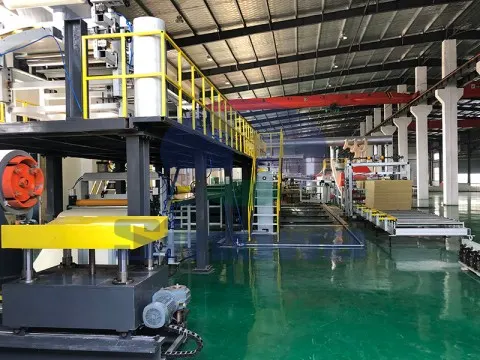
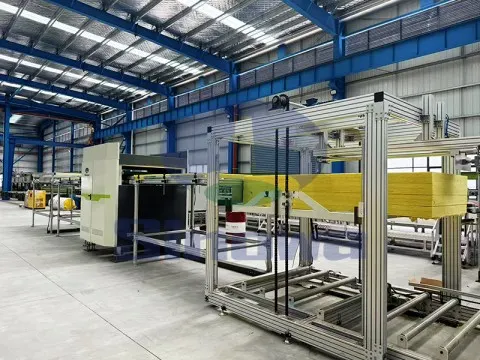
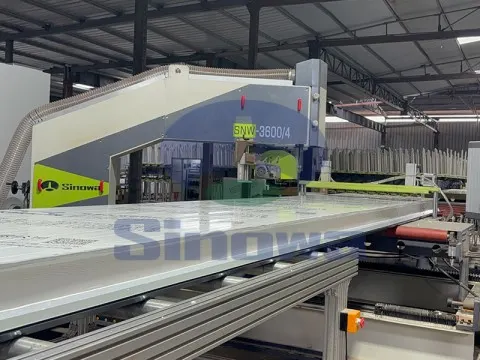
Tags: rockwool wall panel production line, rockwool wall panel production line manufacturer, rockwool wall panel production line supplier, china rockwool wall panel production line, rockwool wall panel production line for sale
https://www.sandwichpanelmachinery.com/blog/rockwool-wall-panel-production-line.html
-
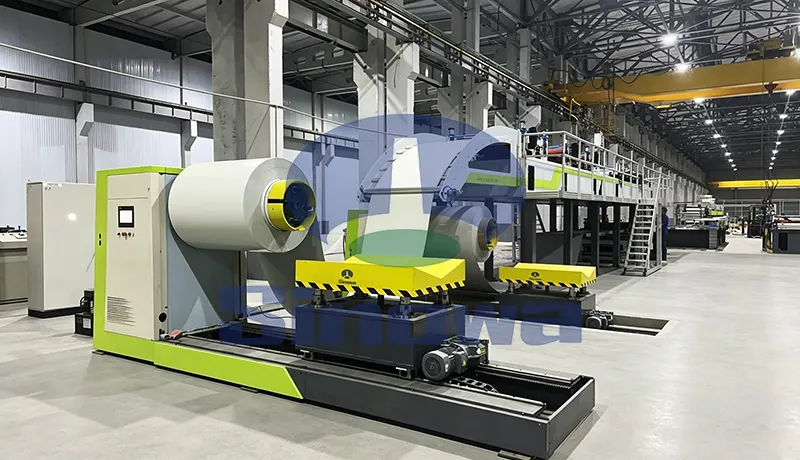
The PU sandwich panel line is a core production setup for making high-performance building insulation panels. This professional PU sandwich panel production line features automated operation to streamline the whole manufacturing process efficiently. Every component of the polyurethane sandwich panel line is precisely calibrated to ensure consistent panel thickness and structural stability. A well-maintained polyurethane sandwich panel production line can greatly boost production efficiency while reducing manual operation errors. The continuous PU sandwich panel line adapts to diverse production demands for different panel sizes and surface styles. With advanced molding technology, the PIR sandwich panel line produces panels with excellent heat preservation and sound insulation properties. Stable running of the PIR sandwich panel production line guarantees reliable product quality for various construction and industrial application scenarios.
-
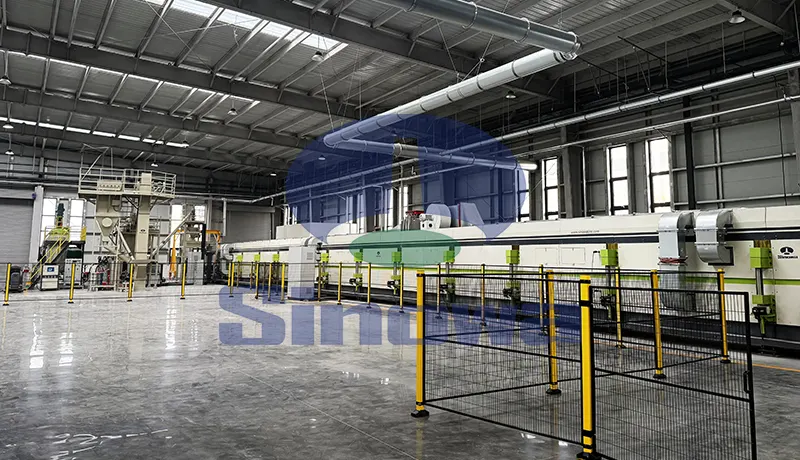
A phenolic insulation board production line serves as the core equipment for manufacturing high-performance thermal insulation building materials. This phenolic insulation panel production line integrates material mixing, foaming, molding and cutting processes to ensure continuous and stable production efficiency. Every operational link of the insulation board production line is precisely calibrated to produce uniform and durable insulation boards. The automated design of the insulation panel production line effectively reduces manual intervention and improves product consistency. Proper maintenance of the phenolic board production line can greatly extend its service life and maintain steady production output. With optimized structural design, the phenolic panel production line adapts to various production demands and delivers high-quality finished products for thermal insulation engineering applications.
-
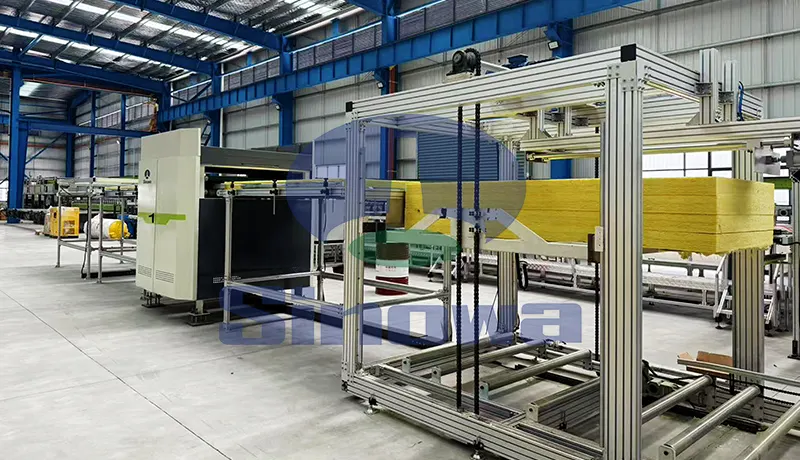
A professional rockwool sandwich panel line serves as the core equipment for producing high-performance building panels. This rockwool sandwich panel production line integrates feeding, laminating and forming processes to ensure stable and efficient production. The well-structured rock wool sandwich panel line can process raw rockwool materials into panels with excellent thermal and sound insulation properties. Operators can adjust the running parameters of the rock wool sandwich panel production line to manufacture panels of different thicknesses and specifications. The automated design of the mineral wool sandwich panel production line greatly reduces manual operation errors and improves product consistency. Regular maintenance of the mineral wool sandwich panel line is essential to sustain long-term operational efficiency and guarantee qualified finished panels for diverse construction applications.