HVAC Phenolic Insulation Board Line
Publication Date: Oct 26, 2026
Continuous HVAC phenolic insulation board production line with automated mixing, foaming, curing and lamination. It makes consistent rigid phenolic foam boards for HVAC duct insulation, with synchronized conveyance and quality checking for stable mass output.
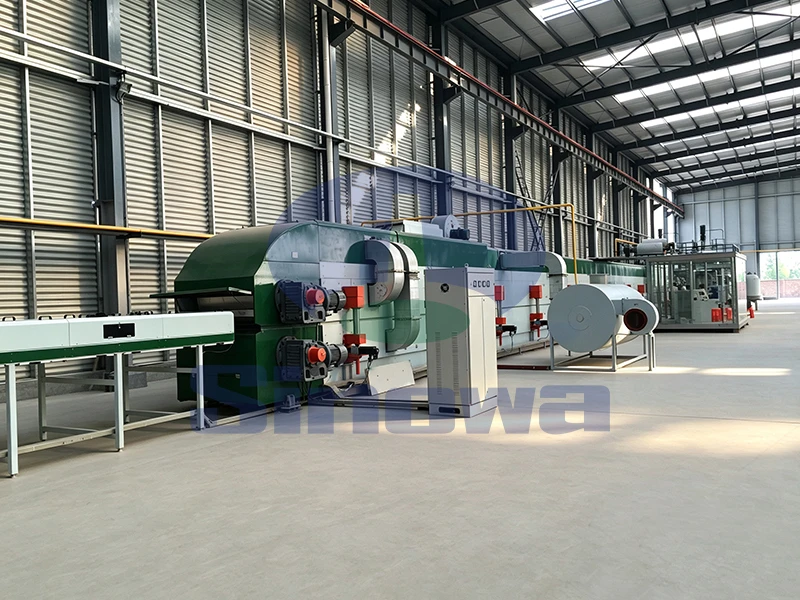
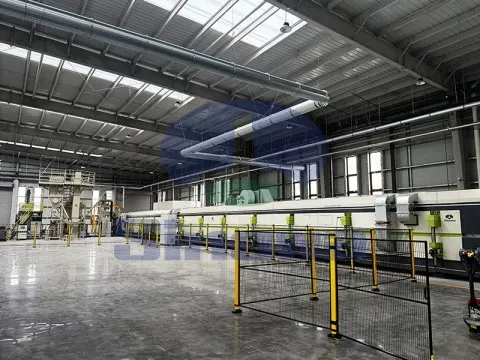
The production line for HVAC phenolic insulation boards represents a specialized manufacturing system built to turn raw phenolic resin compounds into rigid, closed-cell panels tailored for heating, ventilation, and air conditioning applications. At the heart of this setup lies a continuous foaming and curing process that carefully balances resin mixing, catalyst dosing, and temperature regulation to form a stable cellular structure. Raw base materials are fed into precision mixing units where liquid phenolic resin interacts with foaming agents and modifiers under controlled conditions, ensuring uniform dispersion before the mixture moves onto a moving conveyor. Operators monitor flow rates and mixing consistency to avoid uneven cell formation, which would compromise thermal performance and physical stability of the finished boards. As the blended material spreads across the substrate layers, it begins to expand steadily within defined forming frames that set the target thickness and width of each panel. This initial expansion phase demands tight control over dwell time, as too rapid foaming creates fragile cell walls while overly slow expansion leads to higher density and reduced insulation efficiency. Every adjustment along this stage shapes the core characteristics that make phenolic material suitable for HVAC ductwork and equipment enclosure insulation, prioritizing low thermal conductivity and structural integrity in one integrated production sequence.
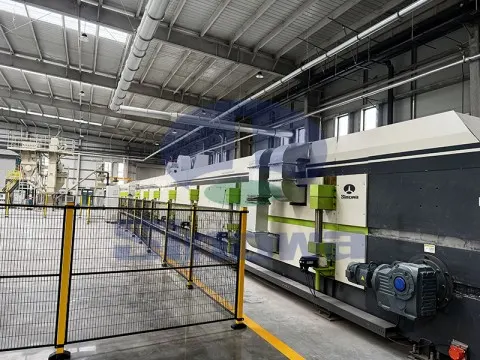
Following the foaming and forming stage, the continuous web of uncured phenolic composite enters a multi-zone curing tunnel designed to apply gradual, consistent heat across the entire surface of the board. Temperature gradients inside the tunnel are calibrated to advance cross-linking reactions within the phenolic matrix without causing thermal degradation or surface blistering. Support rollers maintain even pressure on both faces of the advancing panel to prevent warping or sagging while the chemical curing process locks in the closed-cell foam architecture. This phase separates partially reacted material from fully hardened insulation, transforming a soft, expandable mass into a dimensionally stable rigid board that resists shrinkage under normal operating temperature fluctuations. Sensors placed at intervals along the tunnel track surface temperature and material progression speed, feeding real-time data back to the central control system for fine tuning. Variations in curing speed can alter surface hardness and internal bonding, so consistent throughput is maintained to keep product properties uniform across long production runs. Once the phenolic panel exits the curing zone, it retains its engineered cellular structure, ready to move forward for trimming, surfacing, and further processing before final inspection and packaging for HVAC system integration.
Surface lamination is a key integrated function within the HVAC phenolic insulation board line, adding facing layers that enhance handling strength, vapor resistance, and surface durability for installation in air duct assemblies. Different facing materials can be bonded to one or both sides of the phenolic core as the continuous panel travels through the lamination station, with adhesive application matched to the surface texture and intended service environment. The lamination process uses controlled pressure rollers to eliminate air pockets between the foam core and facing sheet, creating a permanent bond that does not separate during bending, cutting, or long-term thermal cycling. Properly applied facings also reduce dust release from the foam surface during field cutting and installation, simplifying on-site handling for HVAC contractors. The system accommodates changes in facing type without major mechanical reconfiguration, giving flexibility to produce boards suited for concealed duct spaces and exposed ventilation components alike. Operators check bond quality at regular intervals, watching for delamination marks or uneven adhesive coverage that would weaken the finished product. This step adds functional value beyond pure thermal insulation, aligning the output directly with the practical installation requirements of modern HVAC distribution networks.
After lamination, the continuous phenolic panel advances to the cutting and sizing section of the production line, where rotary saws and slitting units cut the endless web into discrete boards of predefined length and width. Cutting tools are engineered to deliver clean, smooth edges that minimize foam crumbling, a critical feature because rough broken edges can create thermal bridging points once boards are fitted around duct joints and fittings. Positioning sensors trigger the cutting sequence according to preset dimensional parameters, and minor adjustments can be made to accommodate custom board sizes commonly requested for non-standard HVAC duct layouts. Waste trimmings generated during slitting and cross-cutting are collected through an onboard extraction system, allowing scrap material to be handled separately rather than accumulating around moving equipment. The cutting station operates in sync with upstream conveyor speed to avoid jamming or misalignment, maintaining steady flow through the whole line. Finished cut boards move onto outgoing conveyors, where they are spaced apart to prevent surface scratching before entering the quality verification area. Precision at this stage reduces the need for excessive rework on site and ensures boards fit neatly during HVAC insulation assembly.
In-line quality inspection forms a continuous checkpoint within the phenolic insulation board line, combining automated scanning equipment and manual sampling to assess critical performance attributes before products leave the manufacturing area. Automated scanners measure panel thickness, surface flatness, and visual defects such as voids, discoloration, or lamination gaps across the full width of each board. Randomly selected samples are pulled from the production stream for tactile checks of surface hardness and edge integrity, giving operators a chance to spot subtle issues that optical sensors might miss. Data gathered during inspection is logged continuously to track trends across batches, helping production teams identify drifting conditions in mixing, curing, or lamination before large volumes of non-conforming material accumulate. Any boards failing inspection are automatically diverted from the main flow for re-evaluation or segregation, keeping only consistent material moving toward packaging. This layered inspection approach focuses on properties that directly affect HVAC service life, including dimensional stability and surface continuity. By embedding quality checks directly into the line workflow, the system reduces reliance on delayed off-line testing and supports steady, reliable output suitable for HVAC thermal management needs.
Material handling and conveyance systems tie all individual stations of the phenolic insulation board line together, creating a seamless flow from raw ingredient intake through to finished board stacking. Heavy-duty conveyor belts and support frameworks are built to withstand the steady heat exposure from the curing tunnel and the chemical environment of the foaming zone without warping or shedding contaminants onto the insulation surface. Variable drive controls synchronize the speed of every section, ensuring that acceleration or deceleration at one station does not disrupt the timing of foaming, curing, or lamination steps upstream and downstream. Guide rails and edge alignment devices keep the continuous phenolic web centered as it travels, preventing uneven trimming and reducing the rate of rejected boards. Safety interlocks are fitted at access points and moving machinery sections, halting operation when protective covers are opened or blockages are detected. The layout of the entire line is arranged to keep raw material storage separate from finished board accumulation zones, lowering contamination risk and streamlining routine cleaning. Thoughtful conveyance design supports long production runs and reduces unplanned downtime, an important factor for consistent supply of phenolic insulation materials for HVAC construction projects.
Operational control of the HVAC phenolic insulation board line is managed through a centralized automation platform that consolidates process parameters, equipment status, and inspection readings into a single interface for production staff. Technicians can adjust mixing ratios, conveyor speed, curing zone temperatures, and lamination pressure from this interface, with access permissions set to prevent unauthorized changes to critical process recipes. Trend displays show how each parameter has shifted over time, making it easier to correlate small adjustments with visible changes in board appearance and physical characteristics. Alert notifications pop up when flow rates drop, temperatures drift outside target ranges, or inspection reject rates rise, prompting timely intervention before quality issues escalate. The control system also records run time and material consumption metrics, supporting efficient production planning and resource management. While automation handles most routine regulation, skilled operators remain essential to interpret system signals, resolve mechanical hiccups, and fine-tune recipes for subtle shifts in raw material batch behavior. This balance between automated stability and human oversight enables the line to maintain consistent output of phenolic insulation boards optimized for thermal control within HVAC systems.
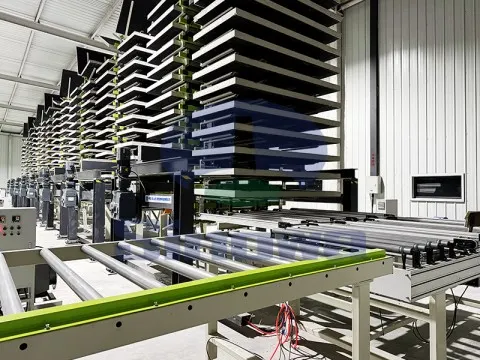
The end-of-line stacking and packaging module completes the workflow of the phenolic insulation board production line, preparing finished panels for safe transport and storage prior to delivery to HVAC installation sites. Stacking mechanisms arrange boards neatly into uniform piles, with protective separators inserted between layers when needed to prevent scuffing or damage to laminated faces during transit. Strapping and wrapping units secure each stack, shielding the phenolic boards from moisture, dust, and physical impact while in transit or warehouse storage. Stack height is controlled to avoid excessive compression that could permanently deform the foam core or break the facing bond. Once packaged, finished stacks are routed to loading zones, where they can be transferred to transport vehicles without extra handling that risks edge damage. The design of this final station matches the throughput speed of earlier stages, so packaging does not create bottlenecks that slow the whole manufacturing sequence. Proper packaging preserves the insulation performance built into each board through foaming, curing, and lamination, ensuring that the product arrives at HVAC job sites in the same condition it left the line. In this way, the full production chain delivers finished phenolic insulation panels ready to support efficient thermal control in air handling and duct distribution systems.
Gallery of HVAC Phenolic Insulation Board Line
Tags: hvac phenolic insulation board line, hvac phenolic insulation board line manufacturer, hvac phenolic insulation board line supplier, china hvac phenolic insulation board line, hvac phenolic insulation board line for sale
https://www.sandwichpanelmachinery.com/blog/hvac-phenolic-insulation-board-line.html
-
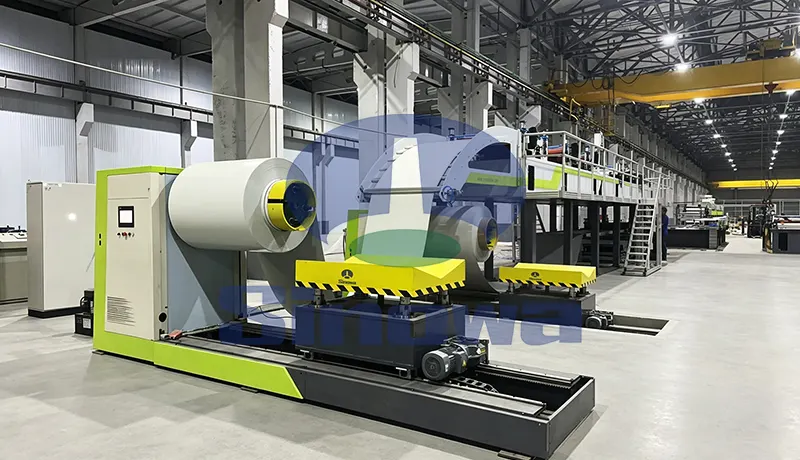
The PU sandwich panel line is a core production setup for making high-performance building insulation panels. This professional PU sandwich panel production line features automated operation to streamline the whole manufacturing process efficiently. Every component of the polyurethane sandwich panel line is precisely calibrated to ensure consistent panel thickness and structural stability. A well-maintained polyurethane sandwich panel production line can greatly boost production efficiency while reducing manual operation errors. The continuous PU sandwich panel line adapts to diverse production demands for different panel sizes and surface styles. With advanced molding technology, the PIR sandwich panel line produces panels with excellent heat preservation and sound insulation properties. Stable running of the PIR sandwich panel production line guarantees reliable product quality for various construction and industrial application scenarios.
-
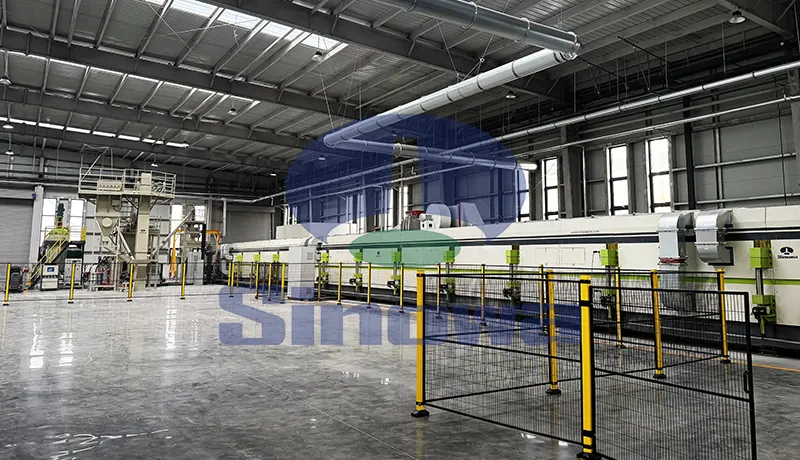
A phenolic insulation board production line serves as the core equipment for manufacturing high-performance thermal insulation building materials. This phenolic insulation panel production line integrates material mixing, foaming, molding and cutting processes to ensure continuous and stable production efficiency. Every operational link of the insulation board production line is precisely calibrated to produce uniform and durable insulation boards. The automated design of the insulation panel production line effectively reduces manual intervention and improves product consistency. Proper maintenance of the phenolic board production line can greatly extend its service life and maintain steady production output. With optimized structural design, the phenolic panel production line adapts to various production demands and delivers high-quality finished products for thermal insulation engineering applications.
-
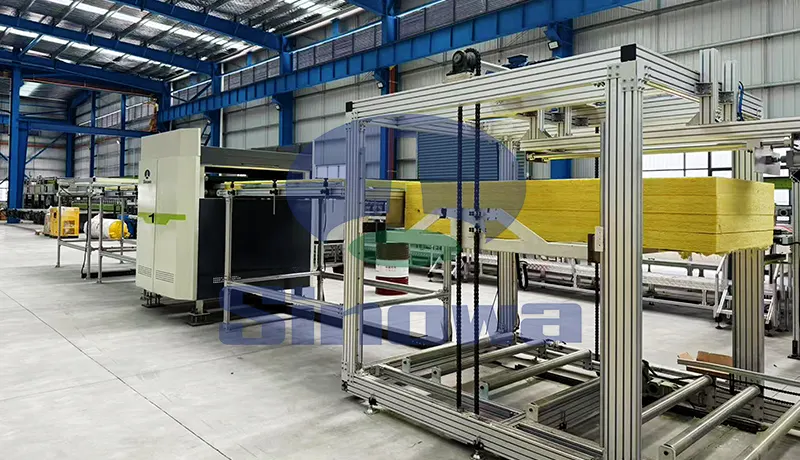
A professional rockwool sandwich panel line serves as the core equipment for producing high-performance building panels. This rockwool sandwich panel production line integrates feeding, laminating and forming processes to ensure stable and efficient production. The well-structured rock wool sandwich panel line can process raw rockwool materials into panels with excellent thermal and sound insulation properties. Operators can adjust the running parameters of the rock wool sandwich panel production line to manufacture panels of different thicknesses and specifications. The automated design of the mineral wool sandwich panel production line greatly reduces manual operation errors and improves product consistency. Regular maintenance of the mineral wool sandwich panel line is essential to sustain long-term operational efficiency and guarantee qualified finished panels for diverse construction applications.