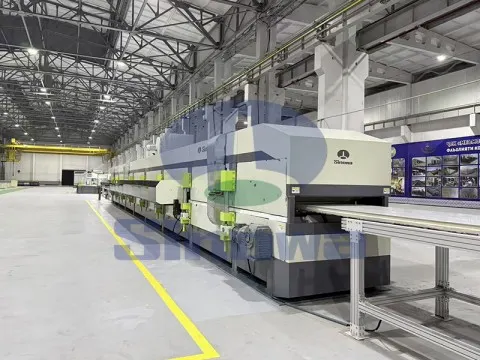
How To Solve Uneven Heating Of Polyurethane Sandwich Panel Production Line Curing Oven?
Publication Date: Oct 20, 2026
Solve uneven heating issues in polyurethane sandwich panel line curing ovens. Check airflow, insulation, temperature sensors and conveyor speed to remove hot & cold zones, fix under-cured foam and boost panel production quality.
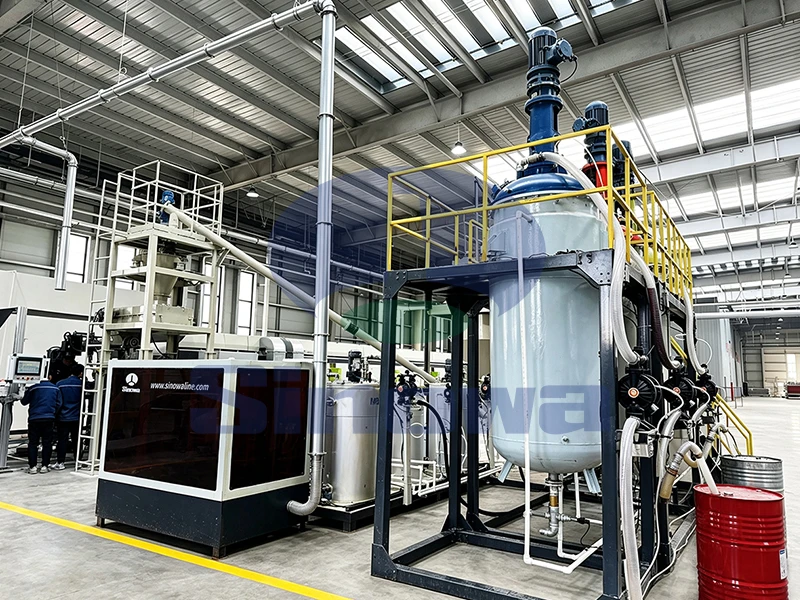
Uneven heating inside the curing oven of a polyurethane sandwich panel production line remains one of the most persistent operational challenges that directly impacts finished panel quality. Inside this enclosed thermal space, inconsistent temperature distribution creates visible and hidden defects across panel surfaces and core layers. In regions receiving insufficient heat, the polyurethane foam cannot complete cross-linking reactions fully, leaving soft spots, poor dimensional stability, and weak bonding between the foam core and facing sheets. Overheated zones cause excessive foaming, surface blistering, internal cracking, and discoloration that reduce the overall performance of finished products. Many production teams first notice the problem through inconsistent physical test results and frequent product rejections, yet they often focus only on adjusting overall oven temperature settings. Simply raising or lowering the set temperature fails to resolve localized hot and cold areas, because uneven heating usually stems from airflow issues rather than a single wrong temperature reading. Operators must move beyond basic temperature tweaks and systematically inspect the internal thermal environment, tracking temperature variations across the full width and length of the oven chamber to map where cold pockets and hot spots form continuously during production runs. This thermal mapping forms the foundation for identifying root causes before implementing targeted corrective actions for the curing process.
Airflow disorder serves as the primary contributor to uneven heating within the curing oven for polyurethane sandwich panel manufacturing. Hot air circulation inside the chamber relies on circulating fans, air ducts, and air nozzles designed to deliver uniform convective heat to moving panels. Over extended operating periods, fan blades accumulate dust, foam debris, and solid residues that disrupt rotation balance and reduce air output volume. Blocked or deformed air ducts redirect hot air toward limited sections of the production line, leaving other areas with stagnant air that cannot transfer heat efficiently. Misaligned air nozzles can blow concentrated hot streams directly onto narrow strips of sandwich panels while adjacent areas receive almost no moving hot air. When panels travel continuously through the oven, these unbalanced air currents create alternating hot and cold bands along the panel length and width. Maintenance teams need to regularly clean fan assemblies and internal ductwork, repair deformed duct sections, and recalibrate nozzle angles to ensure hot air spreads evenly across the entire cross-section of the oven. Restoring smooth, laminar airflow eliminates stagnant air pockets and ensures every part of the moving panel receives consistent convective heat transfer throughout the curing cycle.
Damaged or poorly maintained thermal insulation inside the oven enclosure worsens temperature inconsistency and raises energy consumption simultaneously. The oven walls, ceiling, and bottom structure are lined with insulating materials intended to trap heat inside and prevent thermal loss to the surrounding workshop environment. After long-term high-temperature operation, insulation materials can degrade, crack, shift position, or develop gaps at seams and access openings. Heat escapes outward through these damaged sections, creating persistent cold zones near the compromised insulation. In some cases, fallen insulation fragments block internal air passages and interfere with normal hot air circulation, compounding existing airflow problems. Operators should perform periodic visual inspections of all internal insulation surfaces, checking for cracks, voids, sagging sections, and gaps around inspection doors and equipment penetrations. Any deteriorated insulation must be repaired or replaced, and all seams sealed tightly to stop heat leakage. Well-maintained insulation stabilizes the base temperature environment inside the oven, removing external heat loss as a variable that disturbs the curing thermal profile of polyurethane sandwich panels passing through the production line.
Inaccurate placement and aging of temperature sensors frequently disguise the real thermal distribution inside the curing oven and mislead process adjustments. Temperature sensors are installed to monitor operating conditions, but sensors can drift in calibration over time, become coated with foam dust, or be mounted in positions that do not represent the actual environment surrounding sandwich panels. A sensor fixed near a strong hot air jet will report a higher reading than the actual panel temperature, while another placed in a stagnant corner may show falsely low values. When operators rely solely on these misleading readings, they adjust the heating system incorrectly, amplifying thermal imbalance. It is essential to verify sensor accuracy on a regular schedule and relocate probes to positions close to the product path rather than isolated spots within the chamber. Multiple test sensors can be temporarily mounted across the full width of the oven to capture real-time temperature differences as panels move through. Cleaning sensor surfaces of accumulated deposits ensures readings reflect true working conditions. Reliable, properly positioned temperature measurement provides trustworthy data that guides precise adjustments instead of guesswork when correcting uneven heating during polyurethane sandwich panel curing.
Improper speed matching between the production line conveyor and oven heating capacity creates time-dependent uneven curing effects on polyurethane sandwich panels. The conveyor transports continuous panels through the oven at a preset speed, determining how long each section stays exposed to thermal treatment. If the line speed fluctuates unexpectedly, some panel segments receive longer heating exposure and overcure, while others pass too quickly and remain undercured. Even with stable speed, mismatched heating power distribution across different oven zones can cause issues. The front section of the oven is meant to gradually raise panel temperature, while middle zones maintain stable curing heat and the final zone performs controlled temperature holding. When one zone runs too hot and another too cold, panels experience erratic thermal ramping as they travel. Operators should stabilize conveyor drive systems to reduce speed fluctuations and tune heating output independently for each oven zone. Matching zone heating capacity to conveyor speed ensures each part of every panel receives the correct duration of heat exposure. Fine-tuning this coordination removes curing inconsistencies caused by mismatched line movement and staged thermal treatment inside the curing oven.
Blocked return air channels and inadequate pressure balance inside the oven chamber create hidden thermal variations that are less obvious than faulty fans or sensors. Curing ovens operate with a balanced air circulation loop, where hot air is blown toward the product and then drawn back through return ducts to be reheated and recirculated. Residual polyurethane foam particles and fine solid waste accumulate in return air channels over time, restricting air return flow. Reduced return airflow builds up excess pressure in localized areas, forcing hot air to escape through unintended gaps and preventing uniform air refreshment across the oven width. Uneven pressure distribution traps cold air in lower or side regions of the chamber while hot air accumulates in upper areas. Regular cleaning of return air pathways removes accumulated debris and restores designed air pressure balance. Technicians also check sealing around oven inlet and outlet openings to prevent uncontrolled ingress of cooler ambient workshop air that disturbs internal pressure and temperature. Maintaining proper air circulation loops and pressure equilibrium supports consistent heat delivery across the full area of polyurethane sandwich panels moving through the curing process.
Suboptimal loading conditions and panel positioning on the conveyor can interfere with heat flow and trigger localized uneven heating in continuous production. When panels are not centered consistently on the conveyor or small gaps vary between successive panels, hot air flows through wider gaps while being blocked in narrow spaces. Irregular panel spacing changes airflow resistance across the oven width, leading to differing heat transfer rates on left and right sides of panels. Stacked edges or misaligned panel sections can block air nozzles, shielding parts of the polyurethane core from required curing heat. Even with perfect oven mechanical condition, inconsistent product placement introduces thermal non-uniformity. Production staff should standardize panel positioning on the conveyor and maintain stable spacing between consecutive panels. Guides and alignment structures can be adjusted to keep panels centered during transport, preventing accidental blocking of hot air streams. Careful control of product loading and positioning removes process variability originating from inconsistent panel arrangement, allowing the oven’s heating system to function as intended and deliver uniform thermal treatment to polyurethane sandwich panel materials.
Sustained monitoring and regular preventive maintenance form the long-term strategy to keep curing oven heating uniform and avoid recurring uneven heating faults. Many production lines only address thermal inconsistency after product defects appear, which leads to costly waste and production downtime. Establishing a routine maintenance schedule covers fan inspection, duct cleaning, insulation checks, sensor calibration, airflow testing, and conveyor performance verification. Continuous thermal logging across multiple oven positions tracks temperature trends over days and weeks, enabling teams to detect gradual drift before defects emerge. Operators should document adjustments made to airflow, zone heating, and line speed, recording how each change affects panel curing quality. This knowledge supports consistent process control and reduces repeated troubleshooting cycles. Combining routine equipment care, ongoing thermal monitoring, and standardized operating practices stabilizes the curing environment. With this holistic approach, polyurethane sandwich panel production lines maintain steady and even heating in the curing oven, minimizing foam core defects and consistently delivering finished panels with reliable bonding and physical properties throughout continuous manufacturing operations.
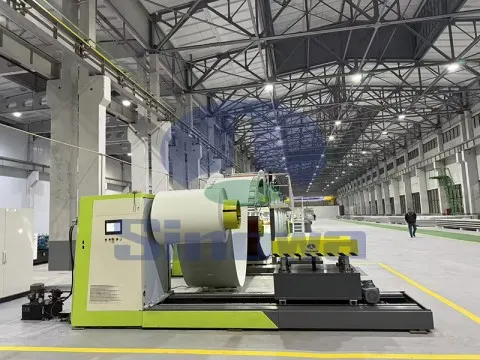
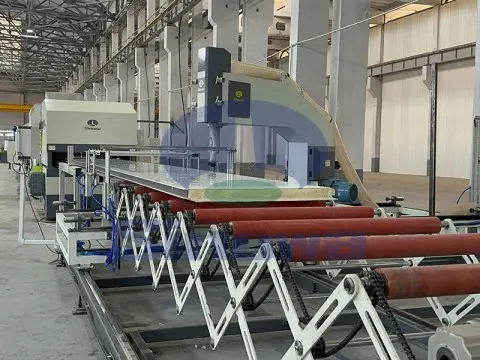
Gallery of Polyurethane Sandwich Panel Production Line
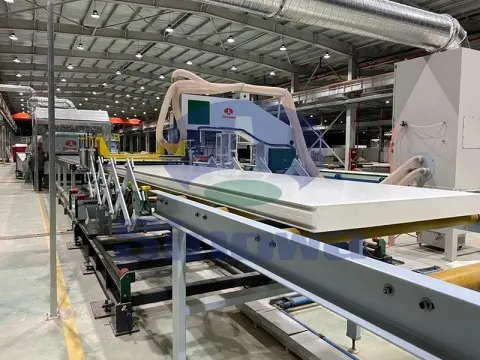
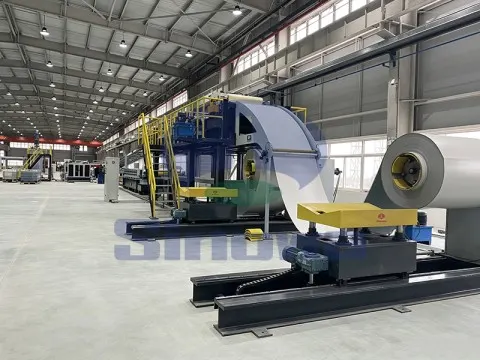
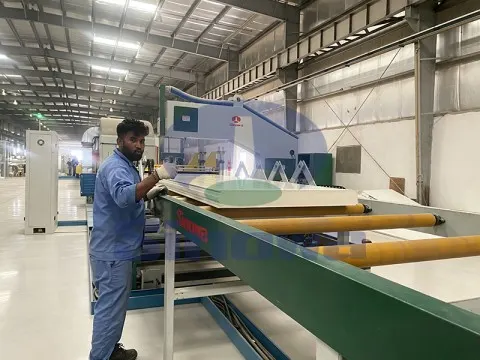
Tags: polyurethane sandwich panel production line, polyurethane sandwich panel production line manufacturer, polyurethane sandwich panel production line supplier, china polyurethane sandwich panel production line, polyurethane sandwich panel production line for sale
-
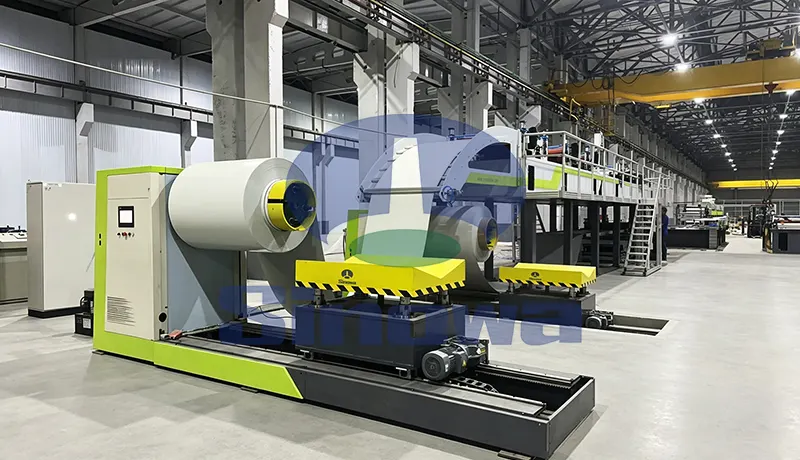
The PU sandwich panel line is a core production setup for making high-performance building insulation panels. This professional PU sandwich panel production line features automated operation to streamline the whole manufacturing process efficiently. Every component of the polyurethane sandwich panel line is precisely calibrated to ensure consistent panel thickness and structural stability. A well-maintained polyurethane sandwich panel production line can greatly boost production efficiency while reducing manual operation errors. The continuous PU sandwich panel line adapts to diverse production demands for different panel sizes and surface styles. With advanced molding technology, the PIR sandwich panel line produces panels with excellent heat preservation and sound insulation properties. Stable running of the PIR sandwich panel production line guarantees reliable product quality for various construction and industrial application scenarios.
-
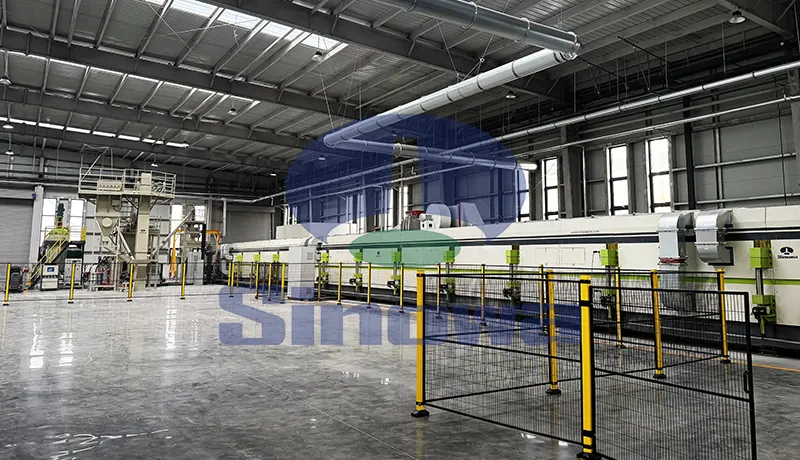
A phenolic insulation board production line serves as the core equipment for manufacturing high-performance thermal insulation building materials. This phenolic insulation panel production line integrates material mixing, foaming, molding and cutting processes to ensure continuous and stable production efficiency. Every operational link of the insulation board production line is precisely calibrated to produce uniform and durable insulation boards. The automated design of the insulation panel production line effectively reduces manual intervention and improves product consistency. Proper maintenance of the phenolic board production line can greatly extend its service life and maintain steady production output. With optimized structural design, the phenolic panel production line adapts to various production demands and delivers high-quality finished products for thermal insulation engineering applications.
-
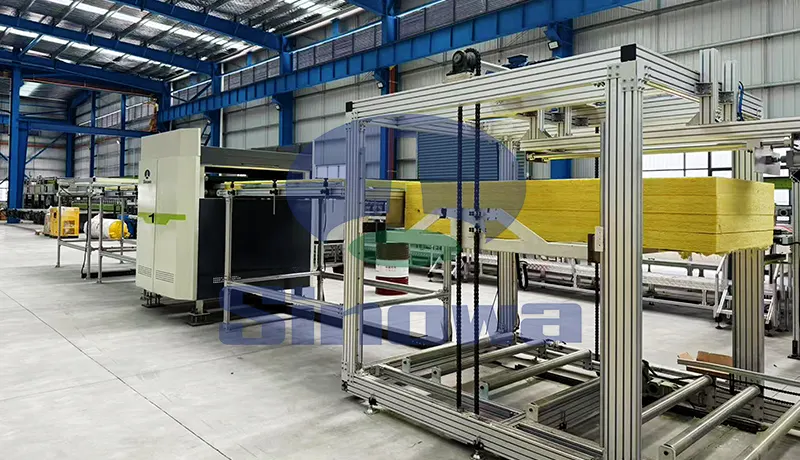
A professional rockwool sandwich panel line serves as the core equipment for producing high-performance building panels. This rockwool sandwich panel production line integrates feeding, laminating and forming processes to ensure stable and efficient production. The well-structured rock wool sandwich panel line can process raw rockwool materials into panels with excellent thermal and sound insulation properties. Operators can adjust the running parameters of the rock wool sandwich panel production line to manufacture panels of different thicknesses and specifications. The automated design of the mineral wool sandwich panel production line greatly reduces manual operation errors and improves product consistency. Regular maintenance of the mineral wool sandwich panel line is essential to sustain long-term operational efficiency and guarantee qualified finished panels for diverse construction applications.